Last updated October 31, 2026
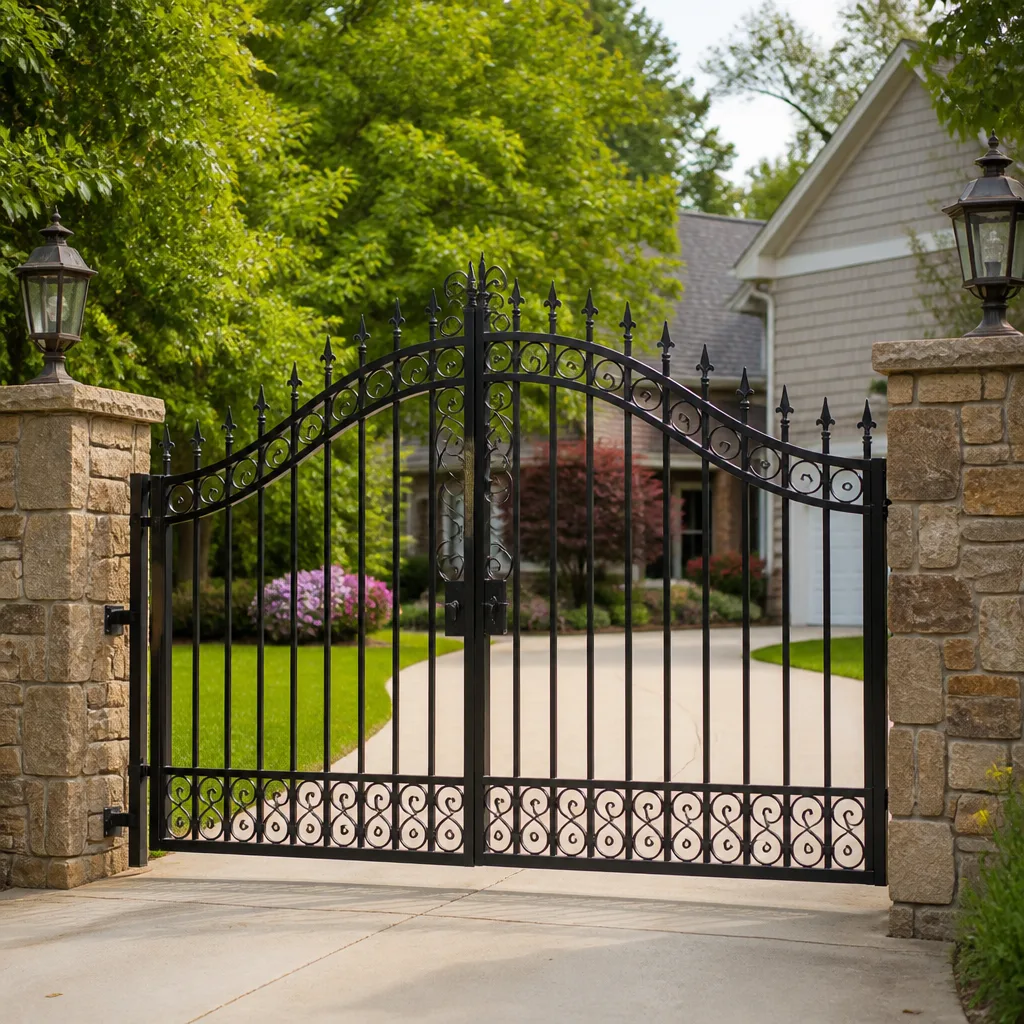 Wrought iron
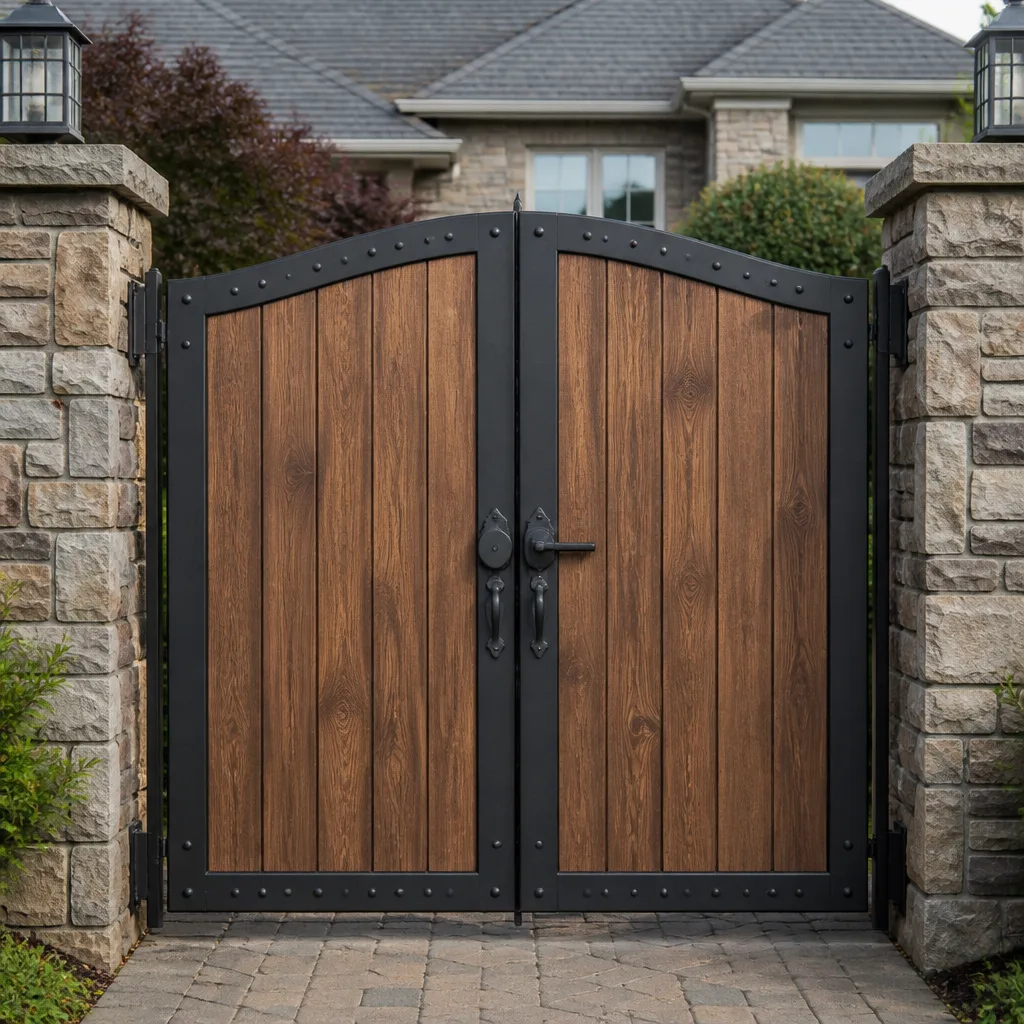 Wood & steel frame
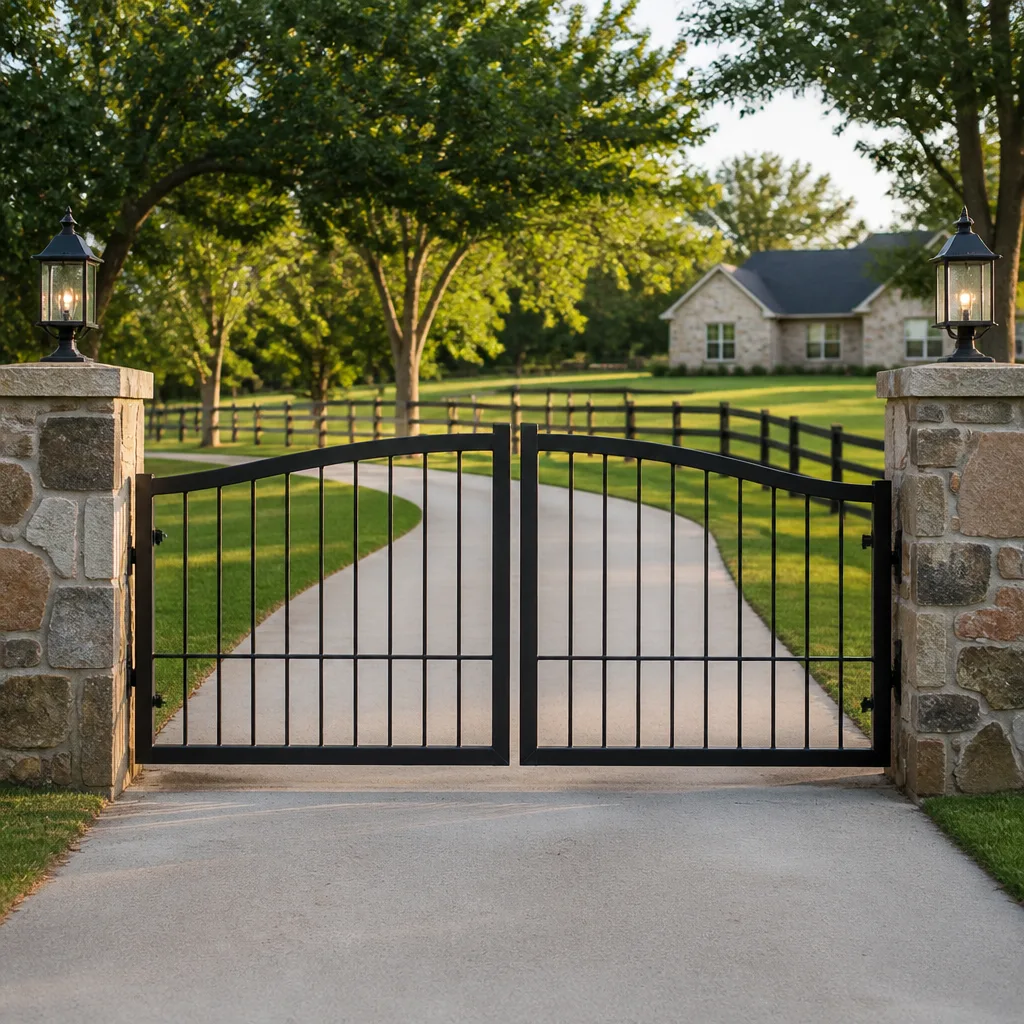 Farm & ranch
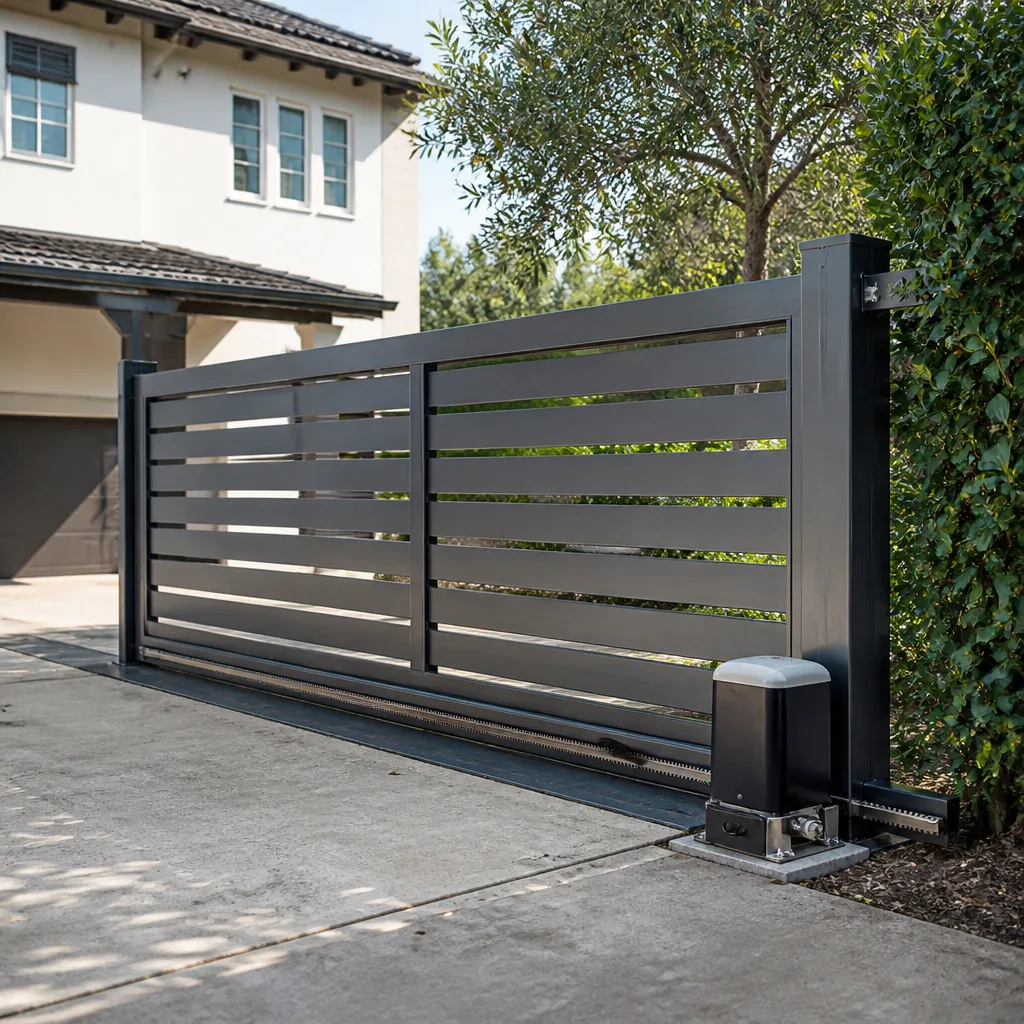 Sliding driveway gates
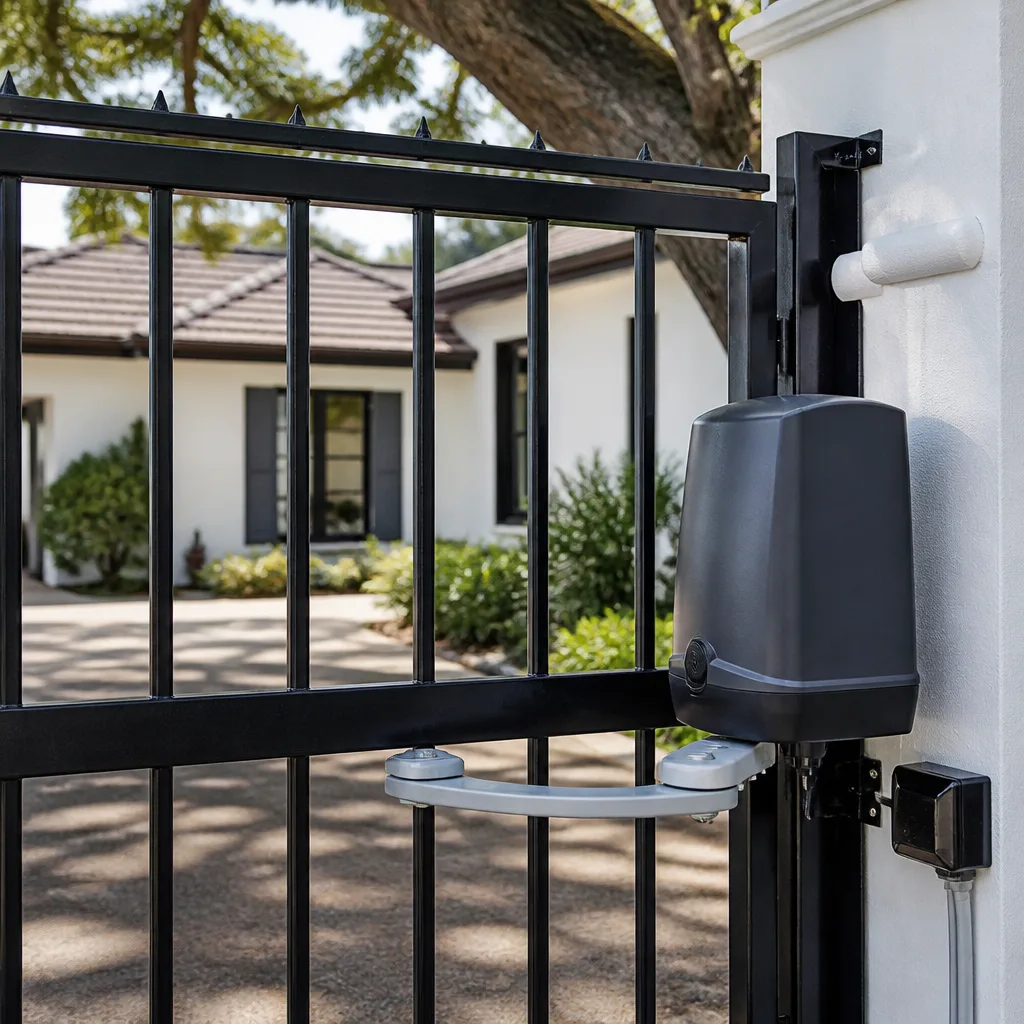 LiftMaster operators
Free on-site gate assessment - hinges, posts, and your LiftMaster or Nice gate operator checked before anything is quoted
The assessment is free and the quote is the invoice.
Get your free estimateHow to Hire a Gate Repair Contractor in Montclair: A Step-by-Step Guide
There is no “gate repair license” in California. The contractor who shows up at your property might carry a general handyman exemption and have repaired exactly two gates in their entire career before pulling into your driveway. In Montclair, where the dry heat and fine dust of the Inland Empire work against every hinge, roller, and control board, that lack of specialized vetting costs homeowners real money. This guide walks you through a concrete verification process: which license classifications actually matter, what insurance must cover, the five questions that expose a generalist in under two minutes, and how to decode a proposal line by line. By the end, you will be able to separate a genuine gate specialist from someone who watched a YouTube video last weekend.
Quick Answer
To hire a gate repair contractor in Montclair, verify that the contractor holds a C-61/D-28 (doors, gates, and activating devices) specialty license or a C-10 electrical license through the CSLB database, confirm general liability and workers’ compensation insurance that specifically covers automated gate work, demand an on-site inspection before any pricing conversation, and ask brand-specific diagnostic questions about your operator model. In short: license first, inspection second, itemized written quote third, and never accept a phone-quoted flat rate for an unseen gate.
Styles & brands we work with
Table of Contents
- Why Gate Repair Hiring in Montclair Is Harder Than It Should Be
- The California License Classification Problem: What Actually Covers Gate Work
- How to Verify a Contractor on the CSLB Database (Step by Step)
- The Five Questions That Expose a Generalist in Two Minutes
- Red Flags in Quotes: Why a Phone Quote for an Unseen Gate Is a Warning
- What Insurance Should Actually Look Like for Gate and Operator Work
- How to Read a Gate Repair Proposal Line by Line
- Montclair-Specific Considerations: Climate, Soil, and Code
Why Gate Repair Hiring in Montclair Is Harder Than It Should Be
Gate repair sits in an awkward regulatory gap. California’s Contractor State License Board (CSLB) regulates dozens of specialty classifications, but the wording leaves room for creative interpretation. A contractor can tell you they “do gates” while holding a general building (B) license, a landscaping (C-27) license, or even a painting (C-33) license. None of those classifications test for knowledge of gate operator wiring, loop detector installation, or the torque requirements of a 600-pound sliding gate. In our experience working across Montclair, we regularly meet homeowners who paid a generalist to “fix” a gate, only to have the same symptom return within weeks. The first repair replaced a part; the second repair diagnosed the system. Those are different services with different price tags. The hiring challenge is not finding someone willing to take the job. The challenge is finding someone qualified to do it correctly the first time.
Montclair adds a layer of practical concern. The city sees temperature swings from near-freezing winter nights to triple-digit summer afternoons. Metal expands and contracts. Control boards bake in direct sun. Dust from the foothills infiltrates gearboxes and limit switches. A contractor who learned gate repair in coastal Los Angeles may never have seen the specific failure patterns that Montclair’s dry, dusty climate produces. This guide is written from the perspective of a gate repair company that works in Montclair every week, and the framework below reflects what we actually see in the field.
The California License Classification Problem: What Actually Covers Gate Work
Here is the core issue: no California license classification exists exclusively for gate repair. The CSLB’s classification system groups gate work under broader categories, and knowing which categories apply changes how you evaluate a contractor. The relevant classifications are:
- C-61/D-28 – Doors, Gates, and Activating Devices: This is the closest match. A D-28 specialty license explicitly covers “installation, repair, and maintenance of doors, gates, and activating devices.” If a contractor claims gate specialization, this is the license you want to see.
- C-10 – Electrical: Automated gate operators involve wiring, control boards, and safety sensors. A C-10 license covers the electrical portion of gate work. Many legitimate electric gate specialists hold a C-10 because automated gates are fundamentally an electrical system attached to a metal structure.
- C-13 – Fencing: This covers the physical gate structure, posts, and fencing panels. A C-13 contractor can legally build and install a manual gate. But ask: do they carry the electrical qualification for the operator? Most don’t.
- B – General Building: A B license holder can legally take on gate projects as part of a larger construction scope. But a general building license is not a gate credential. The test covers framing, concrete, and roofing, not loop detectors or limit switch calibration.
What about the “handyman exemption”? California law allows unlicensed individuals to perform work under $500 including labor and materials, but only if the work does not require a building permit. Gate operator wiring typically falls outside the handyman carve-out because it involves electrical connections. If someone quotes you $450 to “get your gate working again” and says they don’t need a license, they are likely operating in the exemption’s gray zone. In Montclair, where many homes in the older neighborhoods near Central Avenue date from the 1950s and 1960s, the electrical systems feeding gate operators often need more than a surface-level fix. That work demands a real license and real insurance.
How to Verify a Contractor on the CSLB Database (Step by Step)
The CSLB maintains a free public database at cslb.ca.gov. Verifying a contractor takes about five minutes, and skipping this step is the single most common hiring mistake we see in Montclair. Follow these steps:
- Get the license number before anything else. A legitimate contractor prints it on their business card, their truck, and their proposal. If someone hesitates to give you a license number, end the conversation. No exception.
- Go to cslb.ca.gov and click “Check a License.” Enter the number. The database is free and requires no account.
- Confirm the license status is “Active.” Look for any of these statuses: suspended, expired, revoked, or inactive. Do not proceed with any of them.
- Check the classification. This is where you apply what you learned in the previous section. Does the classification actually cover gate work? A C-27 landscaper who “does gates on the side” is outside their classification.
- Check workers’ compensation coverage. The database shows whether the contractor carries workers’ comp. If they have employees and do not carry workers’ comp, you may become liable if a worker is injured on your Montclair property.
- Look at the bond status. The CSLB requires a $25,000 contractor bond. The database shows whether the bond is current. This bond exists to compensate property owners for certain types of damages.
- Note any complaints or legal actions. The CSLB publishes disciplinary actions. A history of citations for unlicensed work or failure to complete projects is a hard red flag.
We tell every homeowner who calls our Kensington Gate Repair office the same thing: run the check before you schedule the visit, not after. It takes less time than it takes to brew a pot of coffee, and it filters out the worst actors immediately. Montclair property managers who manage multiple units should run a CSLB check on any new gate contractor before adding them to an approved vendor list. The database saves you from learning the hard way that your “gate specialist” was painting houses six months ago.
The Five Questions That Expose a Generalist in Two Minutes
You can ask these questions on the phone, before anyone steps foot on your property. A genuine gate specialist answers them immediately and with specifics. A generalist stalls, changes the subject, or gives you a vague answer that sounds confident but contains no information. These five questions target the actual technical knowledge gaps that separate specialists from everyone else.
- “What operator brands do you work on most often in the Montclair area?” A real specialist names specific manufacturers: LiftMaster, FAAC, Elite, Mighty Mule. A generalist says “all of them” or “whatever’s on the gate.” We work on virtually every major gate brand, and we can tell you which brands dominate which Montclair neighborhoods. If someone cannot name a single brand without prompting, they are not a gate specialist.
- “When you diagnose an electric gate that won’t open, what do you check first?” The correct answer involves a diagnostic sequence: power to the board, fuse or breaker condition, loop detector status, limit switch setting, and battery backup voltage in that order. A generalist says “the motor” without asking any follow-up questions. Motors fail less often than people think; control boards and sensors fail more.
- “Do you stock parts for my gate brand, or do you order them per job?” A specialist who works on multiple brands carries common parts: control boards, sensors, remotes, loop wire, and limit switches. They may order brand-specific parts for unusual failures, but they will tell you which parts are on the truck versus which need ordering. A generalist orders everything after the diagnostic and makes a second trip, which you pay for in time if not in labor.
- “What safety sensors are required on automated gates in California, and what testing standard applies?” California follows UL 325, which governs entrapment protection for automatic gate operators. A specialist can explain that UL 325 requires photo eyes or contact edges depending on the gate type, and that retrofitted older gates often need sensor upgrades to meet current code. A generalist blinks at you. This question alone has persuaded more than one Montclair homeowner to cancel a generalist’s visit.
- “Can you give me the license classification number for the work you do on gates?” This is the easiest question on the list, and the one that surprises people the most. A legitimate contractor answers instantly: “C-61/D-28” or “C-10.” A generalist says “I’m licensed” without specifying a classification, or deflects with “it’s on my card.” Do not accept “licensed” as an answer. The classification is the answer.
Red Flags in Quotes: Why a Phone Quote for an Unseen Gate Is a Warning
Here is a truth that most contractors will not say out loud: a flat-rate quote given over the phone, before any inspection, is not a convenience. It is a fishing expedition. You cannot diagnose a gate problem by talking about it. You cannot see a cracked weld, a corroded limit switch, a failing capacitor, or a misaligned photo eye through a phone call. When someone gives you a price before seeing the gate, one of two things is happening:
- They are lowballing to get the job, then planning to “discover” additional problems once on-site. The $275 phone quote becomes a $900 invoice after “unexpected” issues surface. This is a documented pattern in the home services trades, and gate repair is no exception.
- They are padding the quote to cover unknowns, which means you may pay for work that wasn’t needed. If the gate turns out to have a simple fix, the contractor keeps the difference. You never know because you never got an itemized breakdown.
In Montclair, the average service call for gate diagnosis ranges between $75 and $150, with some companies applying that fee toward the repair if you approve the work. A reputable contractor tells you that pricing happens after inspection, not before. They also tell you that the price is quoted and agreed before any work starts, with no line item appearing on the final invoice that wasn’t on the approved estimate. If a company cannot give you that assurance in writing, find another company.
Watch for “free estimate” language that comes with a catch: the estimate is free, but the diagnosis is not, and you don’t learn that until the technician has spent thirty minutes on your property. Ask directly: “Is the estimate free, and is diagnostic time included in that?” The answer reveals how the contractor structures their pricing. Kensington Gate Repair gives free estimates in Montclair, and we tell you before anyone arrives exactly what the visit includes.
What Insurance Should Actually Look Like for Gate and Operator Work
Standard contractor insurance is not enough for gate repair. The work involves heavy structural hardware, high-tension springs on some manual gates, and line-voltage electrical components on automated systems. A contractor’s insurance coverage must reflect those specific risks. Here is what to ask for:
- General liability with a minimum of $1 million per occurrence. This covers property damage and bodily injury. Ask for a certificate of insurance (COI) that names your Montclair property address as an additional insured for the duration of the project. Legitimate contractors provide this without hesitation.
- Workers’ compensation coverage. If a technician is injured working on your gate, workers’ comp protects the technician and protects you from a personal injury lawsuit. The CSLB database shows whether the contractor carries workers’ comp. Confirm it.
- Coverage for electrical work. Not all general liability policies cover electrical work performed by a contractor who is not a licensed electrician. Ask whether the policy covers automated gate operator installation and repair specifically. If the contractor cannot answer that question, the insurance is probably insufficient.
An insured and bonded contractor is the baseline expectation, not a selling point. In Montclair, where many properties use automated gates for both residential security and HOA access control, the stakes are higher than a typical handyman job. A gate that swings uncontrolled or slides off its track can cause serious injury. Automated gates without functioning entrapment protection devices are dangerous, and California law requires compliance with UL 325 safety standards. We have repaired Montclair gates that had been “fixed” by unlicensed operators who bypassed safety sensors entirely because they did not know how to wire them correctly. That is not a repair. That is a liability you now own. Never accept a repair that disables a safety device as a shortcut.
How to Read a Gate Repair Proposal Line by Line
A professional gate repair proposal reads like a medical chart, not a marketing flyer. It lists specific conditions found, specific actions taken, and specific parts used. Vague language is hiding something. Here is a comparison of what to look for and what to reject:
What a Strong Proposal Includes
- Diagnosis findings: “Limit switch not engaging at fully open position; partially stripped gear on rack assembly; photo eye alignment off by 3 degrees.” Specific observations, not generalities.
- Parts identified by name and model: “Replace FAAC 404 limit switch assembly” or “Replace LiftMaster K41-1202 control board.” Not “replace part.”
- Labor itemized separately from parts: “Labor: 1.5 hours at $XXX/hour. Parts: FAAC 404 limit switch, $XX. Total: $XXX.”
- Scope boundaries: “This proposal covers the sliding gate operator repair only. It does not include repainting, wheel replacement, or panel replacement.”
- Warranty terms specific to parts and labor: “Replacement control board carries 12-month manufacturer warranty. Labor warranty on this repair: 90 days.” If a contractor will not put warranty terms in writing, the warranty does not exist.
What Vague Language Hides
- “Adjust and repair gate” – What is being adjusted? What is being repaired? Without specifics, this phrase means “we will do whatever we feel like and bill you for it.”
- “Miscellaneous materials” – Line items should be itemized. “Miscellaneous” is a blank check.
- “Gate service” – This is a description, not a scope. What service? What parts? What outcome?
- “As needed” – As needed by whom, determined when? This phrase authorizes the contractor to expand scope without your approval.
- “Standard gate repair” – There is no standard gate repair. Gates differ by operator type, gate material, weight, track configuration, and access control integration. A proposal that says “standard” is a proposal that hasn’t looked at your gate.
For electric gate repair in Montclair, insist on a proposal that names your operator brand and model. If the contractor cannot identify the operator on your gate, they have already revealed a knowledge gap. Conversely, if the proposal lists the wrong brand, do not sign. We have seen proposals that specified “generic operator parts” for FAAC and LiftMaster systems because the contractor planned to order generic equivalents. Cheaper up front, more expensive when the part fails in eighteen months. Your gate brand, our expertise means we work with the correct original parts for the system on your property.
Montclair-Specific Considerations: Climate, Soil, and Code
Montclair’s position in the Pomona Valley creates specific gate failure patterns that a contractor from outside the area may not anticipate. Here is what you should know when hiring locally:
Climate and Gate Hardware
The Inland Empire’s summer heat regularly exceeds 100 degrees. Solar-heated metal gate panels can reach 160 degrees, and that heat radiates into control boards mounted on or near the gate. Capacitors degrade faster. Solder joints crack. Control boards mounted without adequate heat shielding fail prematurely. In our experience, Montclair electric gate failures spike in July and August, with capacitor and board issues far more common than motor failures. A contractor who has worked in Montclair summers knows to check board temperature and ventilation during diagnosis. A contractor from the coast may not think to look.
The flip side is dust. Santa Ana winds push fine particulates from the foothills into limit switches, gearboxes, and sensor lenses. Optical sensors that work fine in other climates fail intermittently in Montclair because dust coats the lens and blocks the beam. A local specialist checks sensor cleanliness during routine service; an out-of-area contractor may replace a perfectly good sensor instead of cleaning it because they do not recognize the failure pattern.
Soil and Gate Posts
Montclair’s soil is a mix of sandy loam and clay depending on the exact area. Gates anchored in expansive clay soil shift as the ground swells and contracts with moisture changes. This movement throws gates out of plumb, misaligns tracks, and causes premature roller wear. A gate repair contractor working in Montclair needs to understand why the gate shifted, not just realign it. Realigning a gate on shifting soil without addressing the underlying problem means the same failure recurs in six months. Ask your contractor: “What do you think caused the misalignment?” If they cannot discuss soil movement, track settling, and post anchoring, you are talking to a parts-changer, not a diagnostician.
Permits and Code Enforcement
The City of Montclair requires permits for certain types of gate work, particularly when the gate is attached to a new structure or when the electrical run is extended. A full gate installation in Montclair that involves new posts, new electrical, or changes to a driveway configuration will likely trigger permit requirements. A repair that replaces existing components with like-for-like parts typically does not. Your contractor should know the difference and should tell you before work begins. A contractor who says “you don’t need a permit” without knowing your specific project is guessing. A contractor who offers to pull the permit for you and lists the fee on the proposal is doing it right.
Common Mistakes to Avoid
- Hiring the first contractor who answers the phone. Response time is not a qualification. A fast callback from an unqualified contractor costs you more than a slow callback from a specialist. Vet first, schedule second.
- Accepting a phone quote without an inspection. Covered in depth above, but it bears repeating: no inspection, no diagnosis, no price. A gate is a physical system that must be seen and tested.
- Choosing based on price alone. The cheapest quote often comes from the contractor who plans to reuse worn parts, skip safety sensor calibration, or apply a temporary fix. Gate repair is not a commodity.
- Trusting “licensed and insured” as sufficient. Every contractor claims to be licensed and insured. The question is: licensed for what classification, and insured for what scope? Verify.
- Ignoring the operator brand. If a contractor cannot tell you the make and model of the operator on your gate, or asks you what it is, that is a knowledge gap. A specialist identifies it on sight.
- Skipping the written proposal. Verbal agreements in gate repair are worth the paper they are printed on. Get the scope, parts, labor, warranty, and total in writing before authorizing work.
- Delaying repair on a failing automated gate. A gate that intermittently fails is still a safety liability. Sensors that work sometimes are sensors that will not work the one time they need to.
See the difference
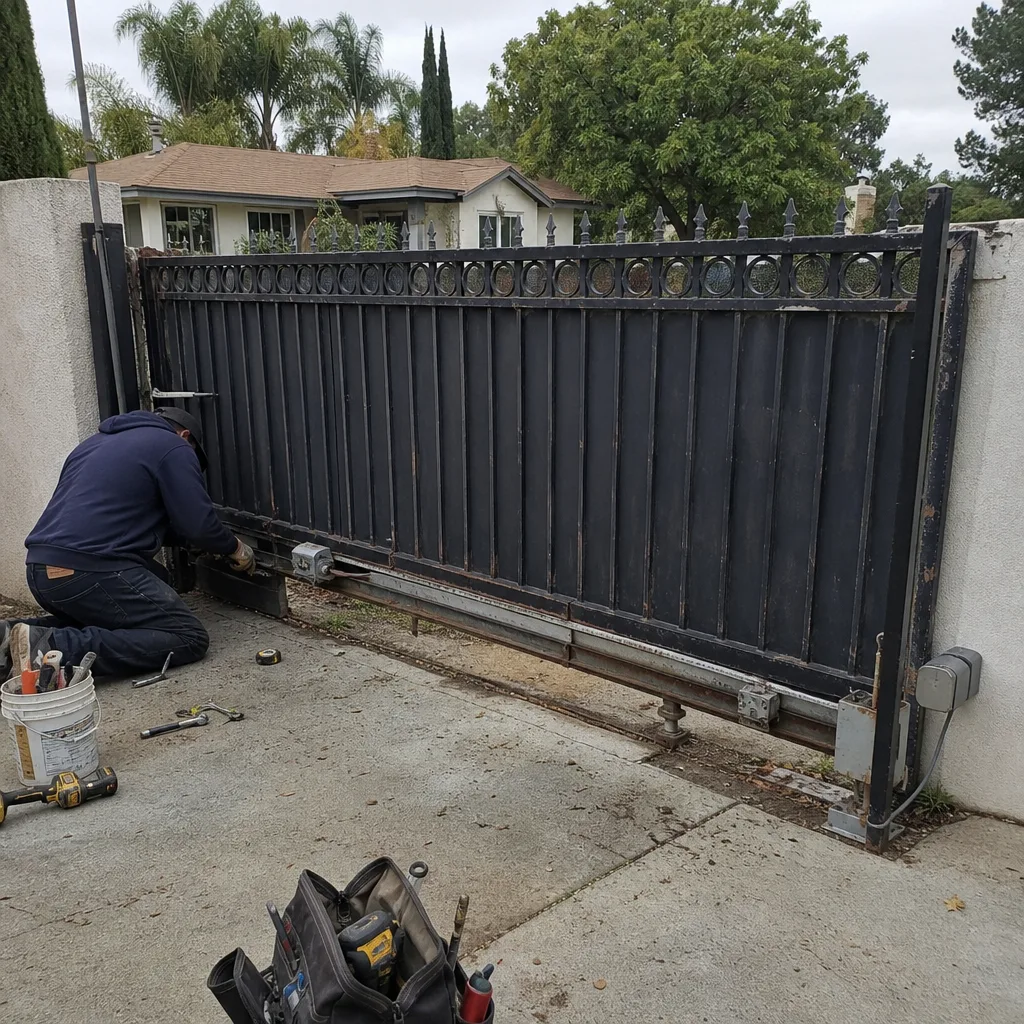 Before
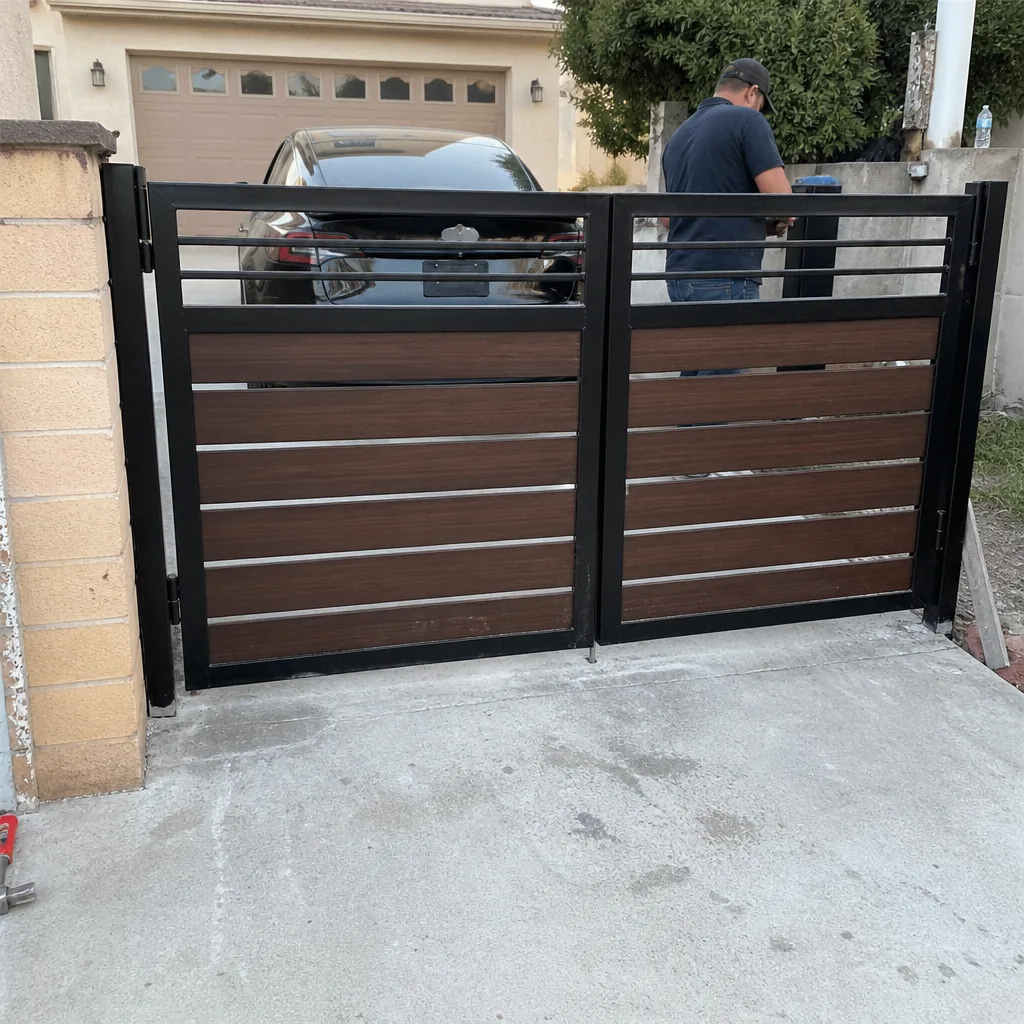 After
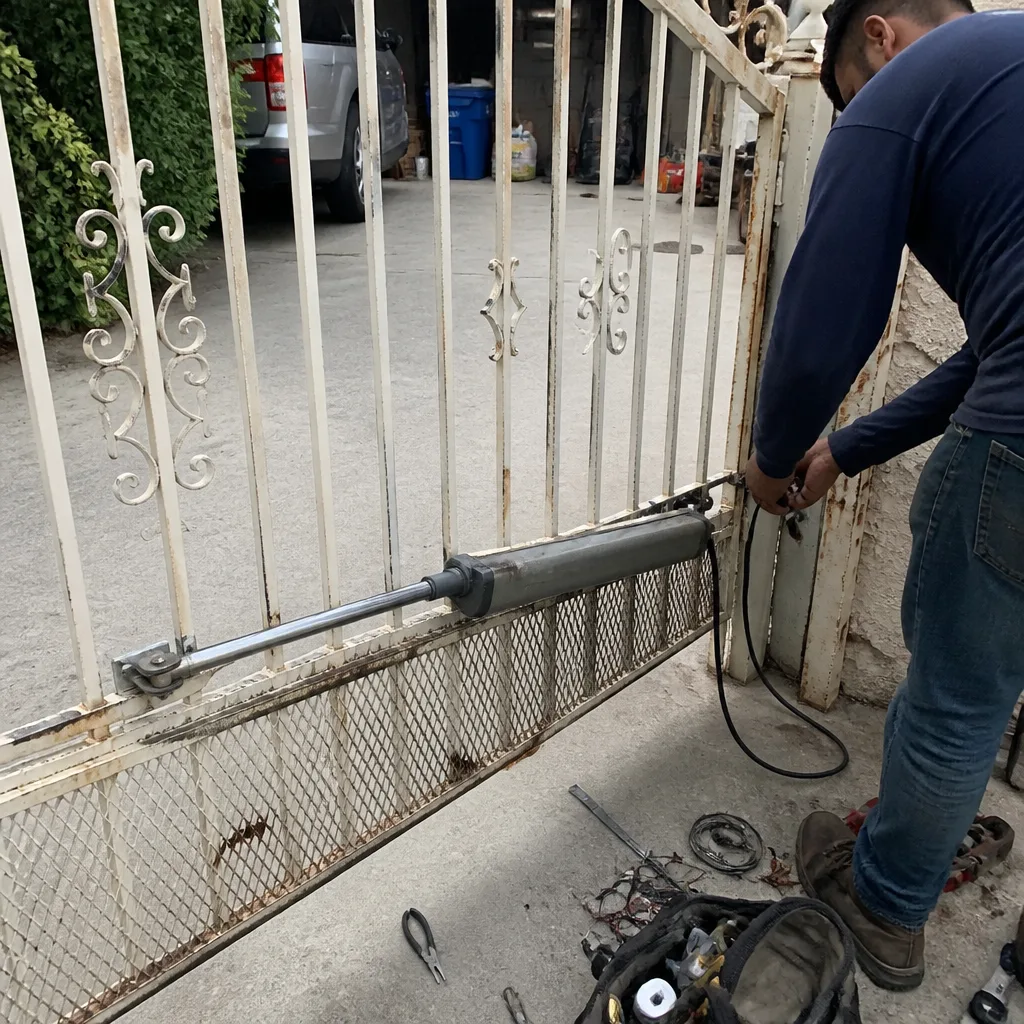 Before
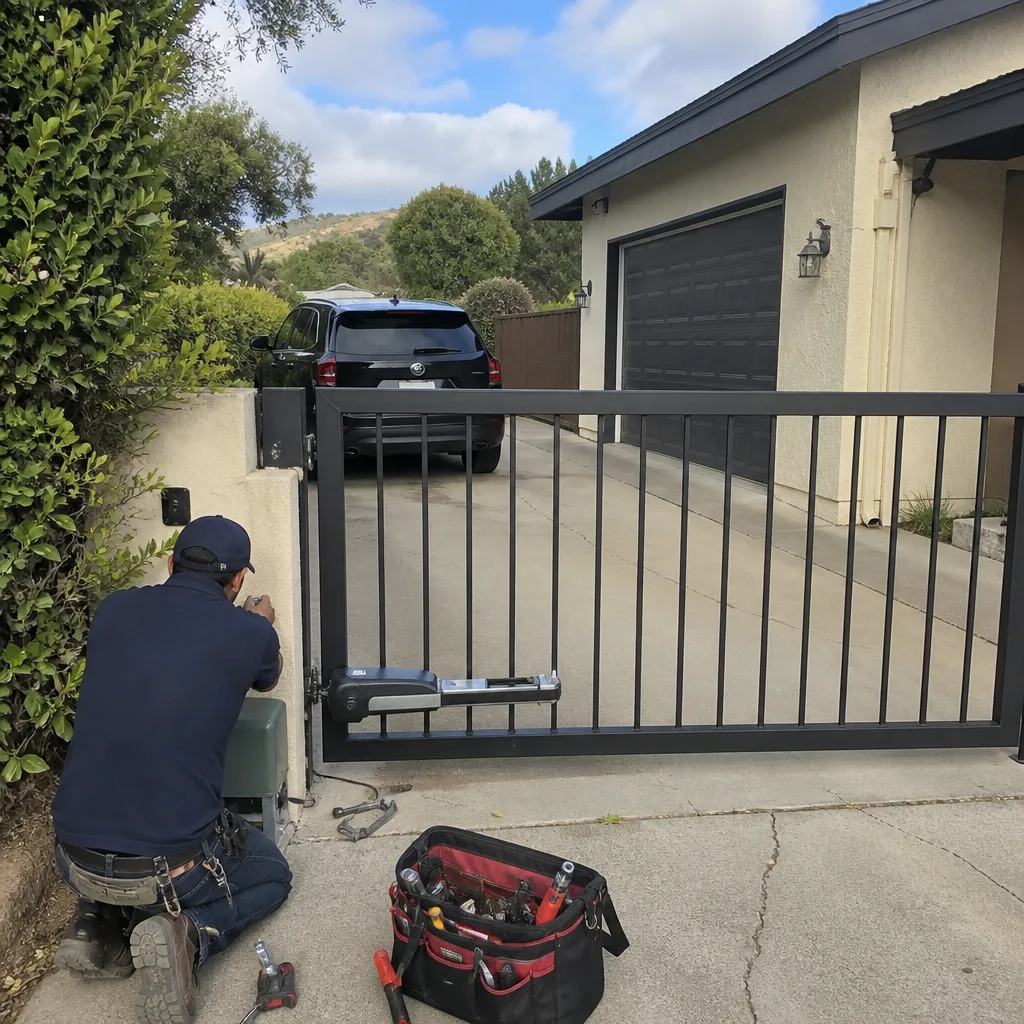 After
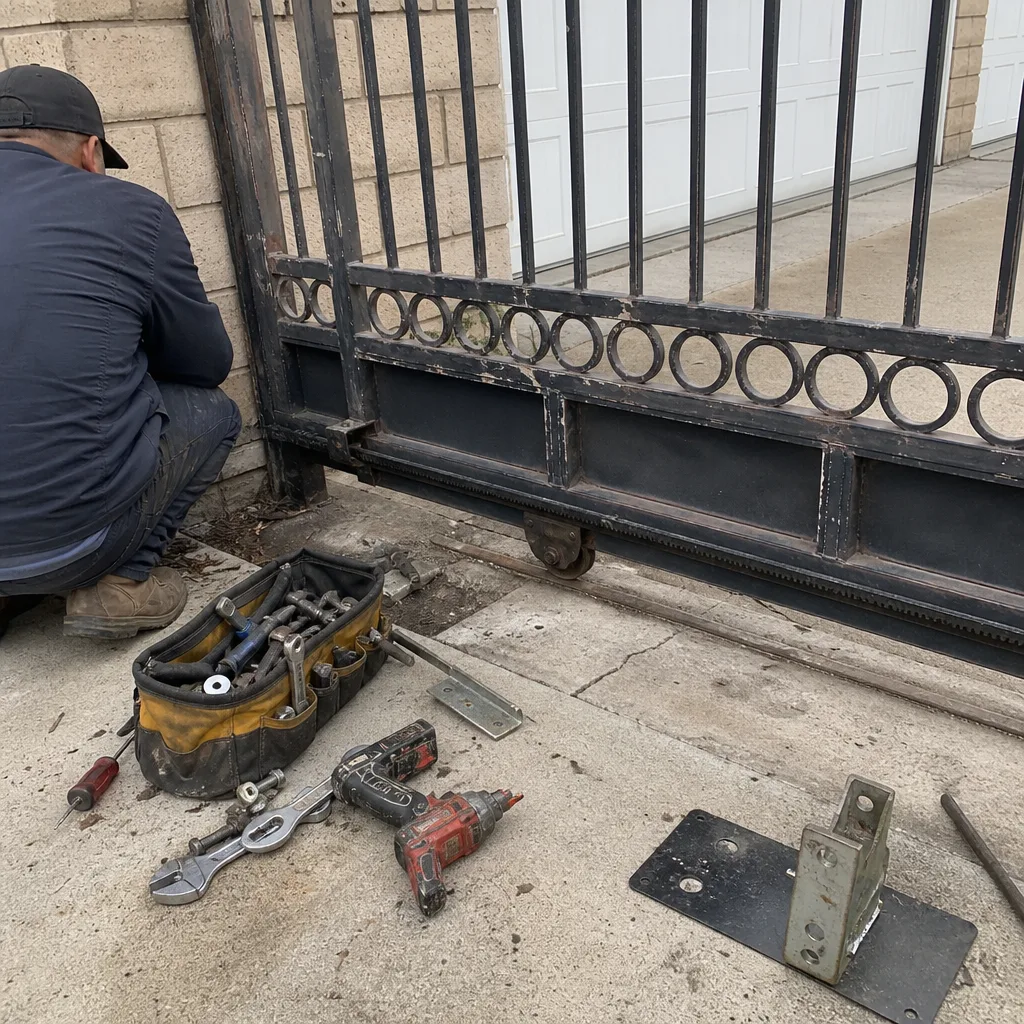 Before
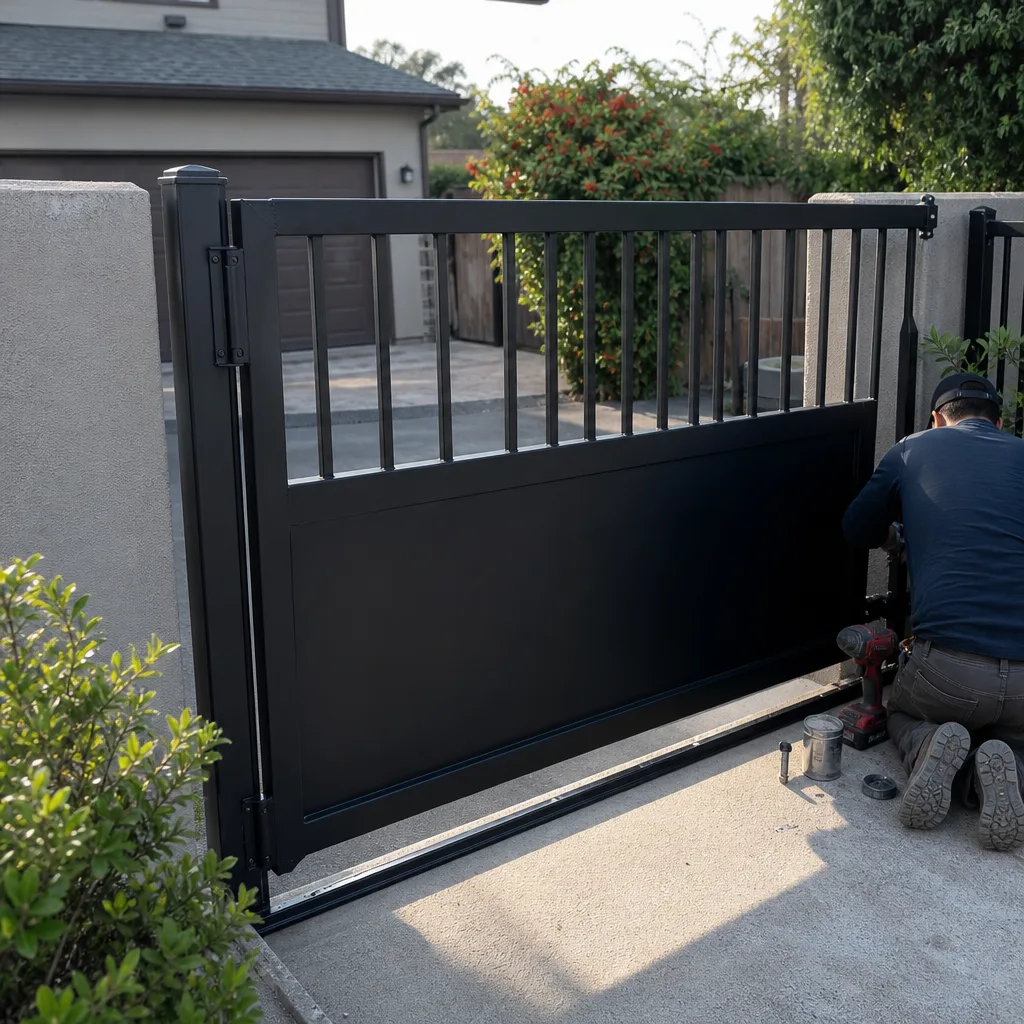 After
When to Call a Professional
Specific signs mean call a professional gate repair specialist now: the gate refuses to open or close consistently, the operator hums without moving the gate, the gate reverses unexpectedly and refuses to stay open, safety sensors stay lit or won’t light, remote controls work only at very close range, or the gate makes grinding, squealing, or rattling sounds it didn’t make before. High-tension springs and automated gate operators can cause serious injury when handled improperly. Never attempt to release or adjust tension on a gate spring yourself. That work belongs to someone with the right tools, the right training, and the right insurance. Kensington Gate Repair offers free estimates in Montclair, and our full-scope service covers diagnosis through installation so you don’t juggle multiple vendors. Call (833) 320-4513 to schedule a visit. We’ll tell you what’s wrong, what it costs, and what needs to happen before any work starts.
Frequently Asked Questions
Gate repair in Montclair typically runs $150 to $400 for common issues like sensor realignment, remote receiver replacement, and limit switch adjustment, while control board replacement and motor rebuilds run $500 to $1,200 depending on the operator brand and model. Call (833) 320-4513 for an exact quote after an on-site inspection; estimates are free and the price is agreed before work begins.
Most like-for-like component replacements, including control boards, sensors, remotes, and limit switches, do not require a permit in Montclair. New installations, extended electrical runs, and structural changes to posts or driveway configurations may require a permit; a qualified contractor should tell you which category your project falls into before work starts.
Most common gate repairs, including sensor replacements, limit switch adjustments, and remote receiver swaps, are completed in one visit of one to three hours. Repairs requiring ordered parts, such as proprietary control boards for specific LiftMaster or FAAC models, take two to five business days depending on part availability. Call (833) 320-4513 for an estimate on your specific gate system.
We work on virtually every major gate brand. Our team carries certified hands-on experience with LiftMaster, FAAC, and Elite operators in Montclair, plus other major manufacturers. Whether you have a residential swing gate with a Mighty Mule operator or a commercial slide gate on a FAAC system, your gate brand is our expertise.
Yes. In fact, most of the gate repairs we perform in Montclair involve gates originally installed by another company. We diagnose the existing system as-is, and because we’re brand-agnostic, our recommendations are based on what’s actually wrong with your gate, not on pushing you toward a particular brand or a full replacement you don’t need.
Repair is generally the right choice when the gate structure, posts, and track are sound and the failure is in the operator, sensors, or wiring. Replacement becomes cost-justified when the gate structure shows significant rust or weld fatigue, when the operator is obsolete with no available parts, or when you want to upgrade to modern safety and access control features. A professional inspection gives you an honest recommendation, not a sales pitch. Call (833) 320-4513 to schedule your free estimate.
The Bottom Line
Hiring a gate repair contractor in Montclair is an exercise in verification, not trust. Check the CSLB license classification: C-61/D-28 or C-10 for automated gate work. Ask the five questions that reveal whether someone actually knows gate systems. Reject any phone quote given without an inspection. Insist on an itemized written proposal with specific parts, labor, and warranty terms. And remember that Montclair’s heat, dust, and soil create failure patterns that an out-of-area contractor may never have diagnosed. A specialist who knows the local conditions, the local code, and the specific operator on your gate is worth the time it takes to find one. Kensington Gate Repair offers free estimates in Montclair for gate diagnosis, repair, and installation. Call (833) 320-4513 and get a straight answer about your gate before you spend a dollar.
Written by the team at Kensington Gate Repair, serving Montclair since 2011.