
Last updated October 31, 2026
 Wrought iron
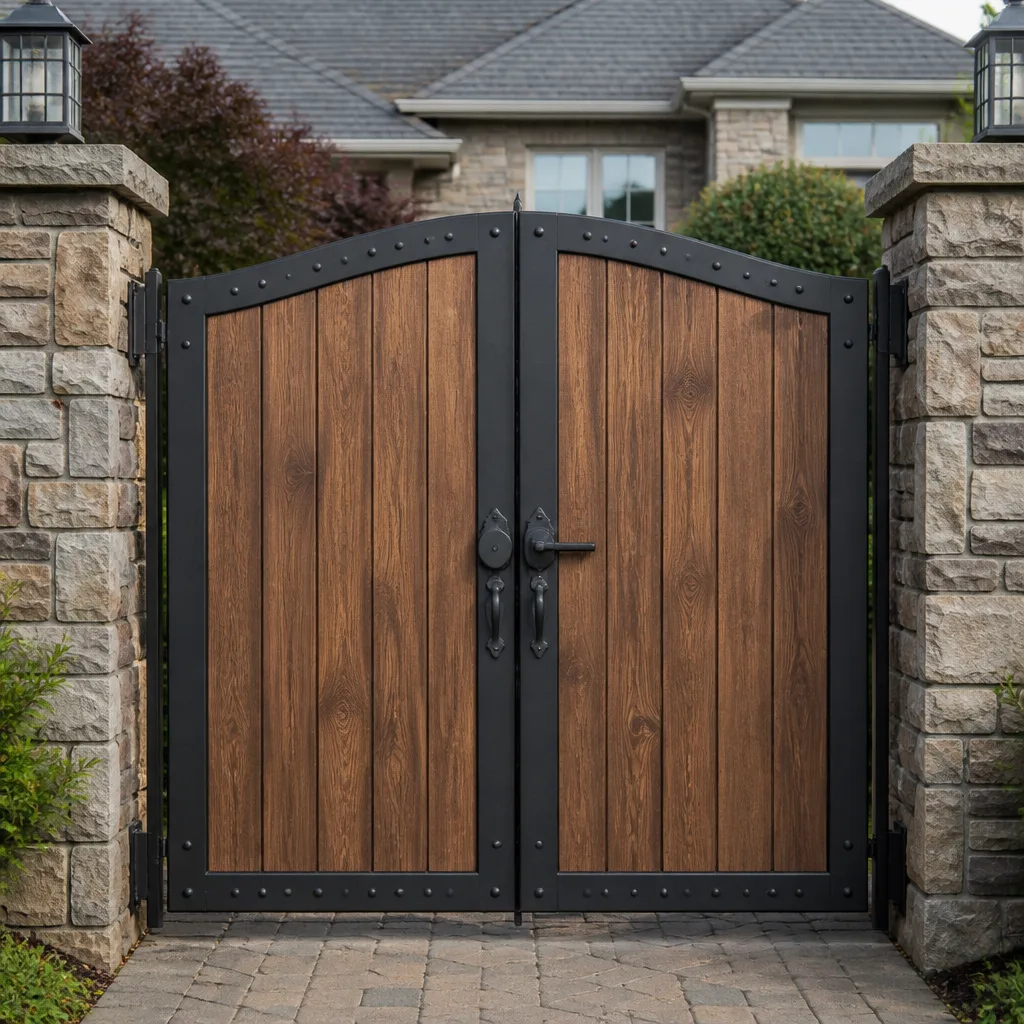 Wood & steel frame
 Farm & ranch
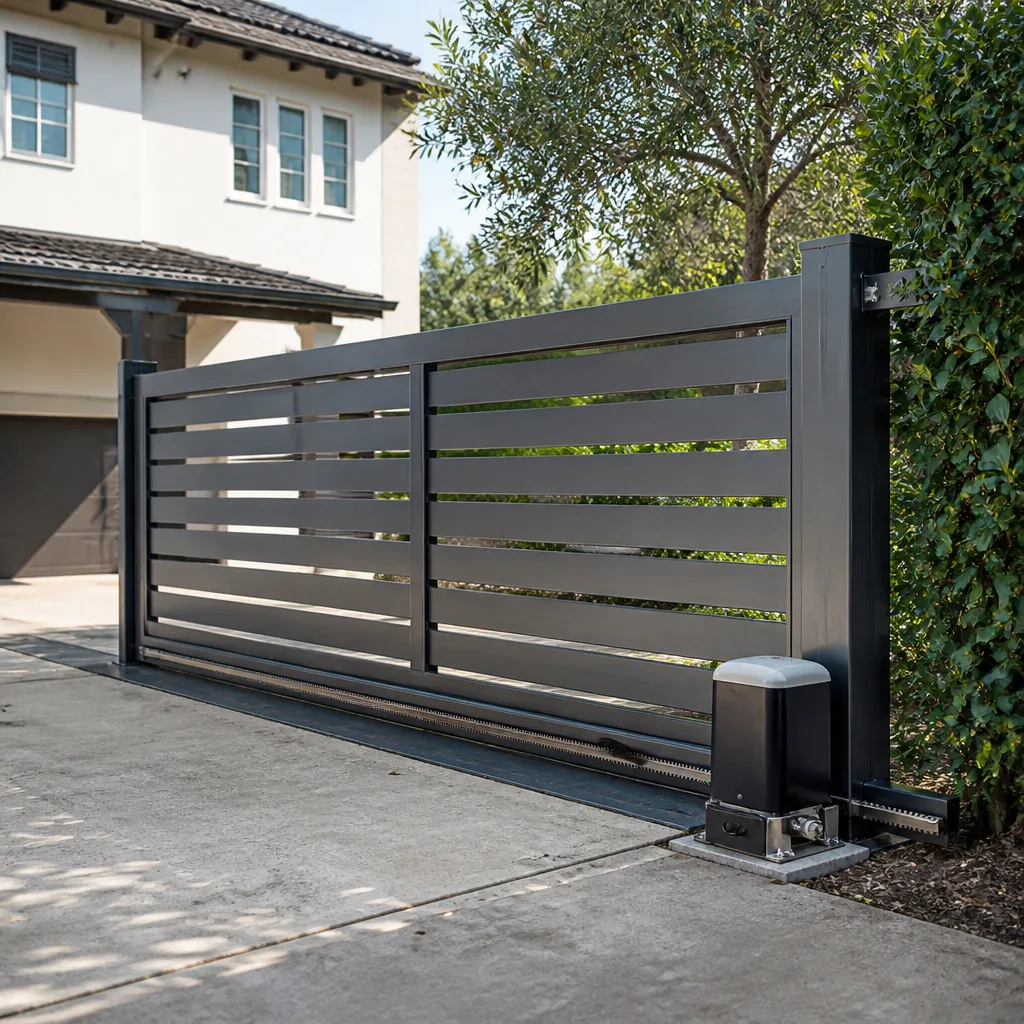 Sliding driveway gates
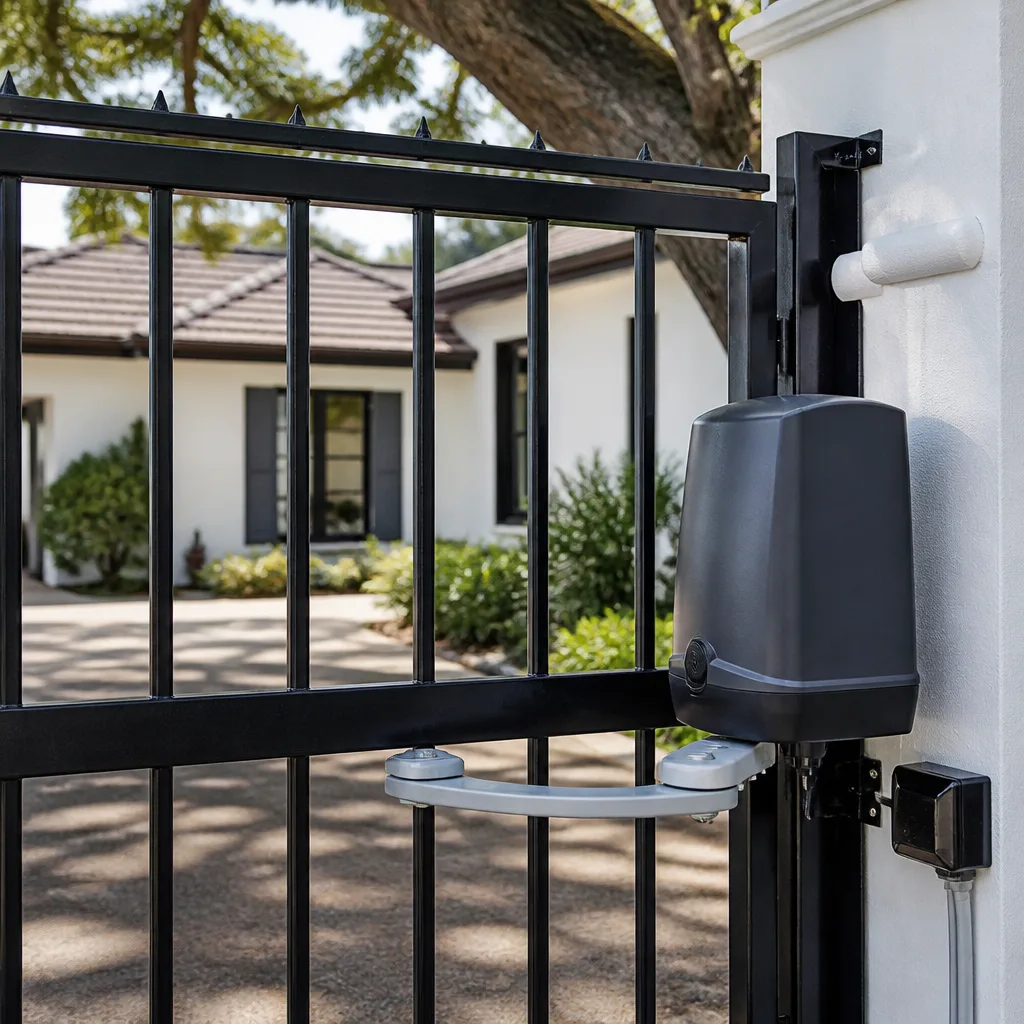 LiftMaster operators
Free on-site gate assessment - hinges, posts, and your LiftMaster or Nice gate operator checked before anything is quoted
The assessment is free and the quote is the invoice.
Get your free estimateGate Repair Warning Signs: A Montclair Homeowner’s Reference Guide
A gate that hesitates for two seconds before moving isn’t being slow. It’s an operator working at the edge of its torque capacity, which means either the mechanical load has increased or the motor is failing. Both get worse, not better, on their own. This guide maps specific gate symptoms to their underlying causes and gives each one a realistic urgency level, so Montclair homeowners know exactly when to act, when to schedule, and when to simply keep an eye on things.
We’re writing this because most gate failures in Montclair give clear warnings weeks or months before the system dies completely. The problem isn’t that the signals are subtle. The problem is that nobody tells homeowners which signals matter. A grinding noise on a cool morning means something different than the same noise at 2 PM in August. A gate that drifts an inch after closing means something different than one that drifts a foot. By the time you finish reading, you’ll be able to triage your gate’s behavior like a technician.
Quick Answer
The most common gate repair warning signs in Montclair are hesitation before movement, grinding or scraping sounds during travel, a gate that reverses mid-cycle, slow response from remotes or keypads, visible rust or cracking at weld points, and posts that have shifted out of vertical. Any of these symptoms, appearing together or alone, means the gate needs professional evaluation before a minor adjustment becomes a full operator replacement.
Styles & brands we work with
Table of Contents
- Hesitation Before Movement: The Operator’s Warning Light
- Grinding, Scraping, and Metal-on-Metal Sounds
- Unexpected Reversals: When a Gate Stops Obeying
- Remote Lag and Intermittent Response
- Gate Drift: Slow Movement After the Cycle Ends
- Post, Hinge, and Foundation Warning Signs at Ground Level
- Urgency Triage: What to Fix Today, What to Schedule, What to Monitor
Hesitation Before Movement: The Operator’s Warning Light
When you press the remote or keypad and the gate pauses for a full second or two before it starts moving, you’re not seeing a quirky delay. You’re watching an electric motor struggle against resistance. The pause is the operator’s internal logic waiting for enough current to overcome the load. In Montclair’s climate, where summer temperatures routinely pass 100°F, thermal expansion makes mechanical parts bind more tightly. A gate that hesitates in spring may not move at all by August.
The three most common causes of hesitation, ranked by how often we see them in Montclair:
- Worn drive gears or chain tension loss. On LiftMaster and FAAC slide gate operators, the gear train takes the full force of every cycle. Once teeth begin wearing, the motor compensates by drawing more current, which translates directly to delay at startup.
- Failing start capacitor. This component gives the motor its initial jolt. When it degrades, the motor can’t reach starting torque quickly. The symptom is a hum for one to two seconds, then movement.
- Mechanical binding at the rollers or hinge points. Rust, debris, or misalignment increases rolling resistance. The operator hesitates because it’s working harder than it was designed to.
We’ve replaced operators in Montclair that had been hesitating for a year. The homeowners assumed it was normal aging. It wasn’t. The hesitation was the only warning before the control board burnt out from constant overcurrent. For context on how to choose the right professional, see our guide on How to Hire a Gate Repair Contractor in Montclair: A Step-by-Step Guide.
Grinding, Scraping, and Metal-on-Metal Sounds
A gate should move quietly enough that you hear the motor more than the gate itself. Grinding, scraping, or a rhythmic metallic squeal means something is physically rubbing against something it shouldn’t. This isn’t cosmetic. The noise is friction removing material every single cycle.
Here’s what specific sounds typically indicate:
- Continuous grinding while the gate travels: Rollers are seized or bearings are shot. The gate isn’t rolling, it’s dragging metal across metal. On slide gates, this scoring gets worse every month until the gate binds completely.
- Scraping that only happens at one point in the travel: The gate track or wheel path has a specific obstruction, often a shifted paver, a root intrusion, or a bent guide wheel bracket. Montclair’s clay-heavy soils expand and contract with moisture, which shifts ground-level hardware slightly each season.
- A sudden, sharp metallic pop followed by a new grinding sound: A hinge pin has broken, a weld has cracked, or a section of the gate frame has separated. This is a structural failure, not an adjustment issue.
- High-pitched whine from the operator itself: The motor bearings are failing. On BFT and Viking operators, this often precedes complete seizure by a few weeks.
One detail worth knowing: grinding on a cool morning versus a hot afternoon can tell you whether the issue is mechanical or thermal. If the noise disappears after the gate runs a few cycles, you’re likely dealing with a part that expands and frees up as it warms. If the noise is constant regardless of temperature, the component is past saving.
Unexpected Reversals: When a Gate Stops Obeying
An automated gate that starts closing, then suddenly reverses and reopens, is doing what it’s programmed to do. The operator’s safety logic detected resistance and responded by reversing. The question isn’t why the gate reversed. It’s what the gate is sensing. And the answer is usually one of three things.
First, obstruction detection sensors. Montclair homes with gates near landscaping or mature trees deal with branches, loose gravel, and even spider webs triggering photo-eye sensors. If the safety edges or photocells detect an object that isn’t there, the gate reverses. Cleaning the sensor lenses and checking the beam alignment often resolves this in minutes.
Second, genuine resistance in the mechanical path. The gate is physically hitting something it can’t push through. A raised paver, a shifted wheel, a bent track. The operator reverses because the load exceeded its safety threshold. This is the operator doing its job, and it confirms the mechanical issue is real.
Third, and this is the one homeowners in Montclair’s hillier neighborhoods should know: wind load. Gates are large flat surfaces. In Santa Ana wind conditions, a solid-panel gate acts like a sail. The gust pushes against the gate, the operator senses the resistance as an obstruction, and the gate reverses. If you live in a wind-exposed area like the hills above Montclair, this may happen a few times per year even on a healthy gate. But if it happens on calm days, you have a mechanical or sensor problem requiring attention.
The distinction matters because the fix is completely different. Installing a wind lock bar helps with gusts. Adjusting limit switches helps with sensor issues. Replacing worn rollers helps with mechanical drag. Guessing wrong means you’ve spent money and the gate still reverses.
Remote Lag and Intermittent Response
Your remote works from the driveway, but not from the street. Or it works at 8 AM, but not when you come home at 5 PM. Or it takes two presses to trigger any response. These are all electrical problems, not mechanical ones, and they’re often the cheapest to fix if caught early.
Remote lag breaks down into a few categories:
- Range degradation: The remote’s battery is weak, or the receiver antenna is corroded or damaged. Ghost Controls and Mighty Mule systems are particularly sensitive to antenna positioning because their receivers are often mounted inside the operator housing, which shields signal.
- Interference: New devices near the gate can scramble radio signals. LED landscape lighting transformers, new smart home hubs, even a neighbor’s new gate remote on an adjacent frequency can cause intermittent failures. In dense Montclair neighborhoods, this is more common than most homeowners expect.
- Control board degradation: The receiver circuitry on the board is failing. Symptoms often start intermittently and get progressively more frequent. On LiftMaster operators, this sometimes shows up as the remote working only when pressed from a specific angle or distance.
One pattern we’ve learned to spot: if your remote works reliably in the morning but not in the afternoon, heat is the variable. Control boards and capacitors degrade under repeated thermal stress, and Montclair’s 35-degree daily temperature swings accelerate that aging. A board that’s marginal at 70 degrees may completely fail at 100.
Gate Drift: Slow Movement After the Cycle Ends
A gate that stops, and then slowly drifts open or closed, sometimes just an inch or two, is telling you something important: the mechanical brake or limit system is no longer holding position. This isn’t a feature. It’s a failure in progress.
Gate drift has three main causes:
- Limit switch failure: The operator thinks the gate reached the fully open or closed position, but the switch is misaligned or failing. The gate stops short or overshoots, then settles.
- Hydraulic bypass (on hydraulic operators): Internal seals wear and allow fluid to slip past, which lets the gate creep. This is common on older BFT hydraulic units in Montclair. The symptom is a gate that never quite closes tightly and drifts slightly after each cycle.
- Mechanical wear at the gear or sprocket: The teeth no longer engage tightly, and the gate’s own weight pulls it a few degrees after the operator stops providing force.
Does a gate that drifts an inch matter? For a swing gate at a Montclair home with a flat driveway, maybe not immediately. But drift is progressive. An inch becomes three inches, then six. A gate that drifts closed across a driveway edge is a safety hazard for kids and a liability for anyone driving through. We’ve seen drift turn into a gate that wouldn’t close at all within one season.
Post, Hinge, and Foundation Warning Signs at Ground Level
The most expensive gate repairs rarely start inside the operator. They start at ground level. Montclair’s soil composition, with its shrink-swell clay behavior, puts constant pressure on gate posts and foundations. Seasonal moisture changes shift the ground, and the gate’s weight amplifies every millimeter of movement into visible, progressive damage. For a full maintenance calendar, read our Seasonal Gate Repair Care for Montclair: Year-Round Homeowner’s Guide.
Here’s what to look for at the base of your gate and posts:
- Cracked concrete at the post base: Horizontal or stair-step cracking radiating from where the post enters the concrete is early-stage foundation shift. Fresh cracks in the bond between steel and concrete indicate active movement, not settled history.
- Visible gap between the post base plate and the concrete: Lift bolts or anchor bolts have loosened, or the concrete pad itself has tilted. Daylight under a gate post is a five-alarm symptom.
- Rust staining running down from the post: This means water is pooling inside the post and working its way out through seams or bolt holes. The steel is rusting from the inside, and the post’s load-bearing strength is declining invisibly.
- Hinge screws that need periodic re-tightening: If you tighten a hinge screw and it’s loose again in three months, the wood or metal it threads into is deteriorating. The threads are stripping, and each fix lasts less time than the last.
- A gate that scrapes the ground on one end but not the other: The entire gate frame is sagging because one post has tipped. This misalignment cascades through every hinge, every roller, and eventually the operator itself.
In Montclair’s older neighborhoods, where gates were often installed decades ago without deep post footings or proper drainage, these foundation issues are more common than operator failures. The operator gets blamed, but the post was the source.
Urgency Triage: What to Fix Today, What to Schedule, What to Monitor
Not every warning sign is an emergency. Some need immediate action because they’re actively damaging other components. Others can wait a few weeks. A handful just need quarterly observation. Here’s a straightforward triage based on what we recommend for Montclair homeowners.
Call today if you see:
- Visible post shift or concrete cracking at the gate base. This is structural and gets worse with every cycle, every rain storm, every hot afternoon.
- Sharp metallic grinding that doesn’t stop. You’re actively damaging rollers, track, or the operator gear train.
- Safety reversal failures. A gate that doesn’t reverse when presented with resistance is a serious safety risk. If you’re using any of the nine major brands we service, including LiftMaster, FAAC, BFT, or Mighty Mule, the safety logic should be checked immediately.
- Complete remote failure. If your gate won’t respond at all, you need access restored. This is the kind of gate emergency that calls for a Montclair electric gate repair specialist who can diagnose the control board on site.
Schedule this month:
- Hesitation before movement that’s getting slightly worse week over week. You have time, but the window is closing.
- Remote range that’s gradually shrinking. Annoying today, but a failed receiver board tomorrow.
- Drift under two inches. Still manageable, but worth correcting before it compounds.
- Rust staining at posts without visible cracking. Treat it before the rust compromises the post.
Monitor quarterly:
- Occasional remote lag on hot days only. Note the pattern. If it expands to cooler days, escalate.
- Light scraping that appears only after heavy rain, then resolves. This is soil movement settling back. Watch for it becoming permanent.
- Wind-triggered reversals during known Santa Ana events. If it only happens when the flags are horizontal, your gate is probably fine.
Common Mistakes to Avoid
- Ignoring hesitation because the gate still works. Hesitation is the operator telling you it’s overloaded. Every cycle under load shortens the life of the motor and control board. Waiting until the gate stops completely usually costs three times as much as addressing the cause early.
- Lubricating without cleaning first. Adding fresh grease on top of Montclair dust and grit creates an abrasive paste that accelerates wear on rollers and hinges. Always remove old lubricant and debris before applying fresh.
- Assuming a reversing gate is “just being sensitive.” The gate is reversing because something is triggering the safety system. Whether that’s a dirty sensor or actual mechanical resistance, ignoring it means the gate will eventually stop closing entirely.
- Tightening hinge screws repeatedly without addressing the underlying issue. If the same screw loosens twice, the material it anchors to is failing. More torque just strips the threads faster.
- Replacing the remote when the problem is the receiver. New remotes paired to a failing receiver work no better than the old ones. Diagnose before you replace.
- Waiting until a post visibly leans before addressing foundation issues. By the time the lean is obvious, the concrete pad usually needs replacement, not repair. Early hairline cracking is the affordable warning stage.
- Using a general handyman for electric gate diagnostics. Gate operators involve control boards, safety sensor loops, and motor logic that are brand-specific. A generalist can replace a hinge. Diagnosing a BFT hydraulic bypass or a Ghost Controls receiver fault requires brand-level fluency. Our Montclair gate repair team works on these systems daily.
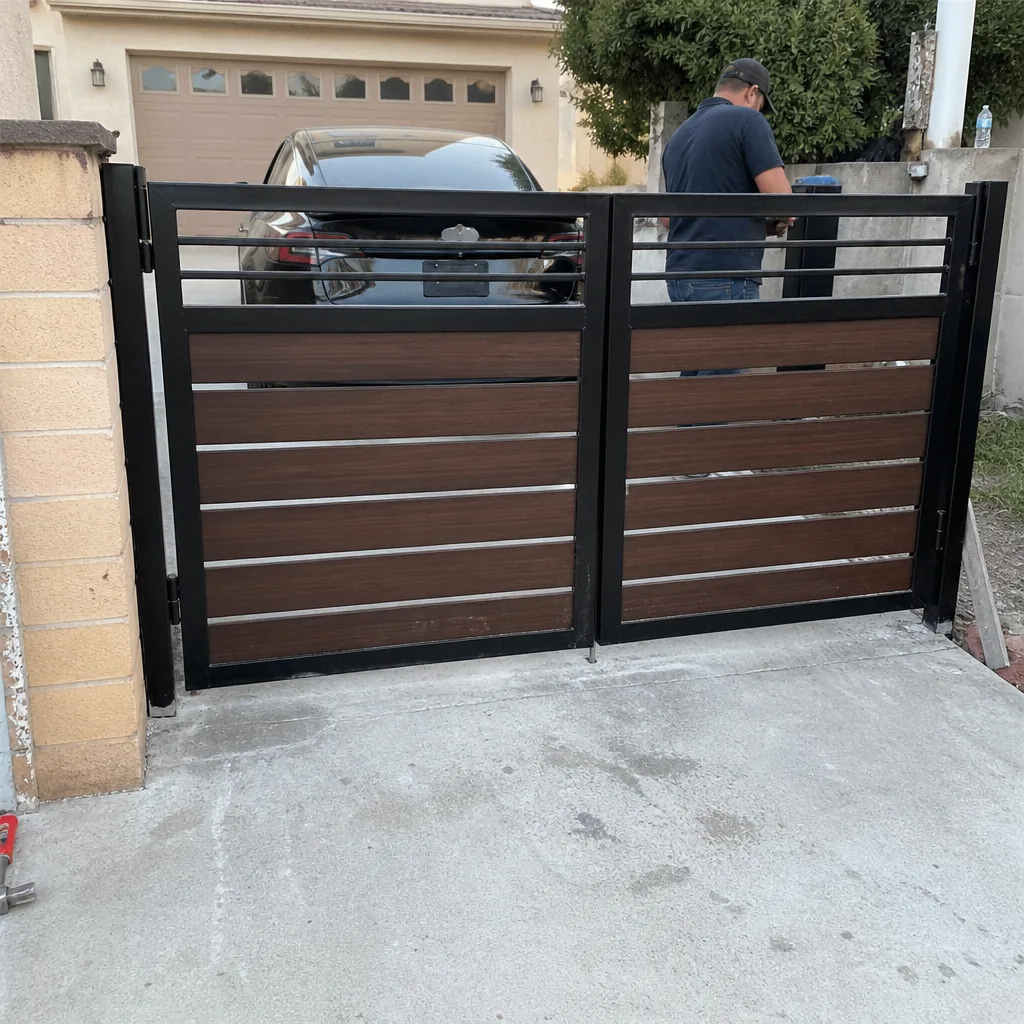
See the difference
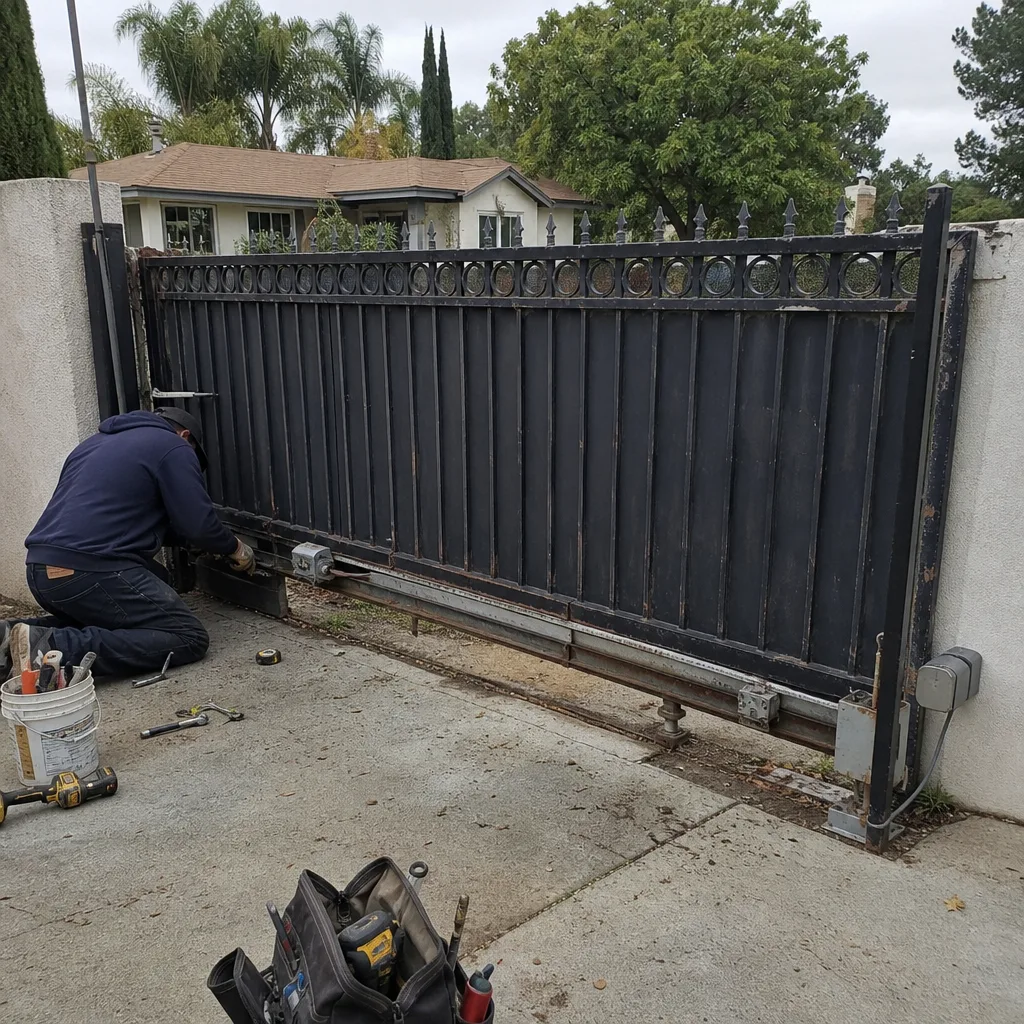 Before
 After
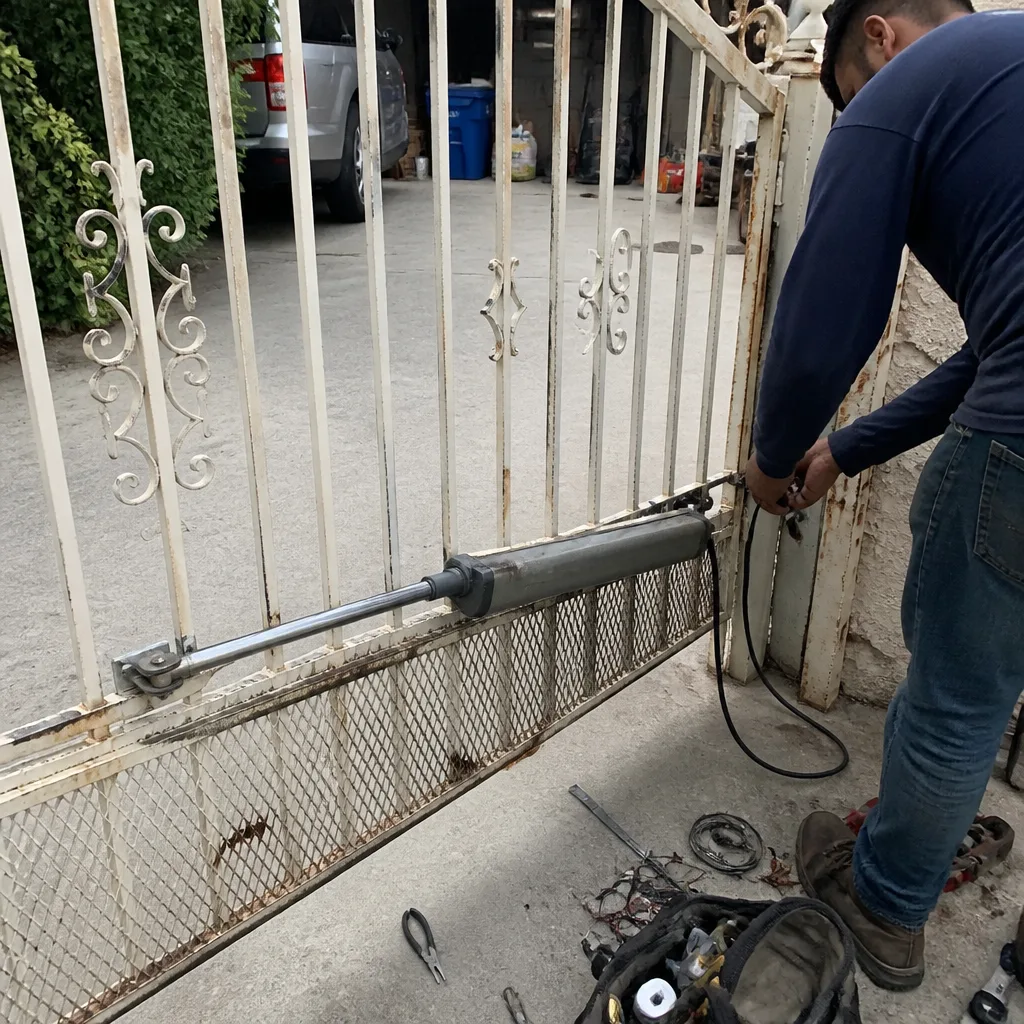 Before
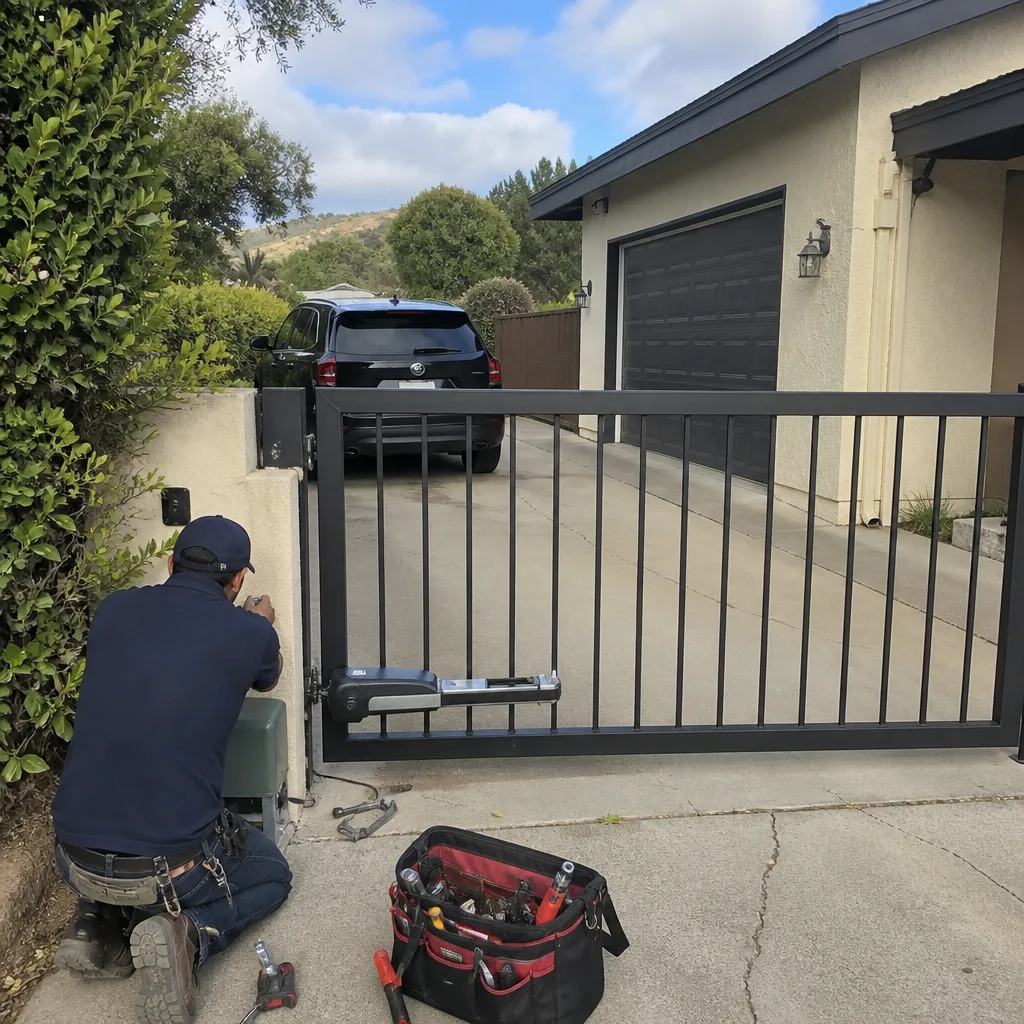 After
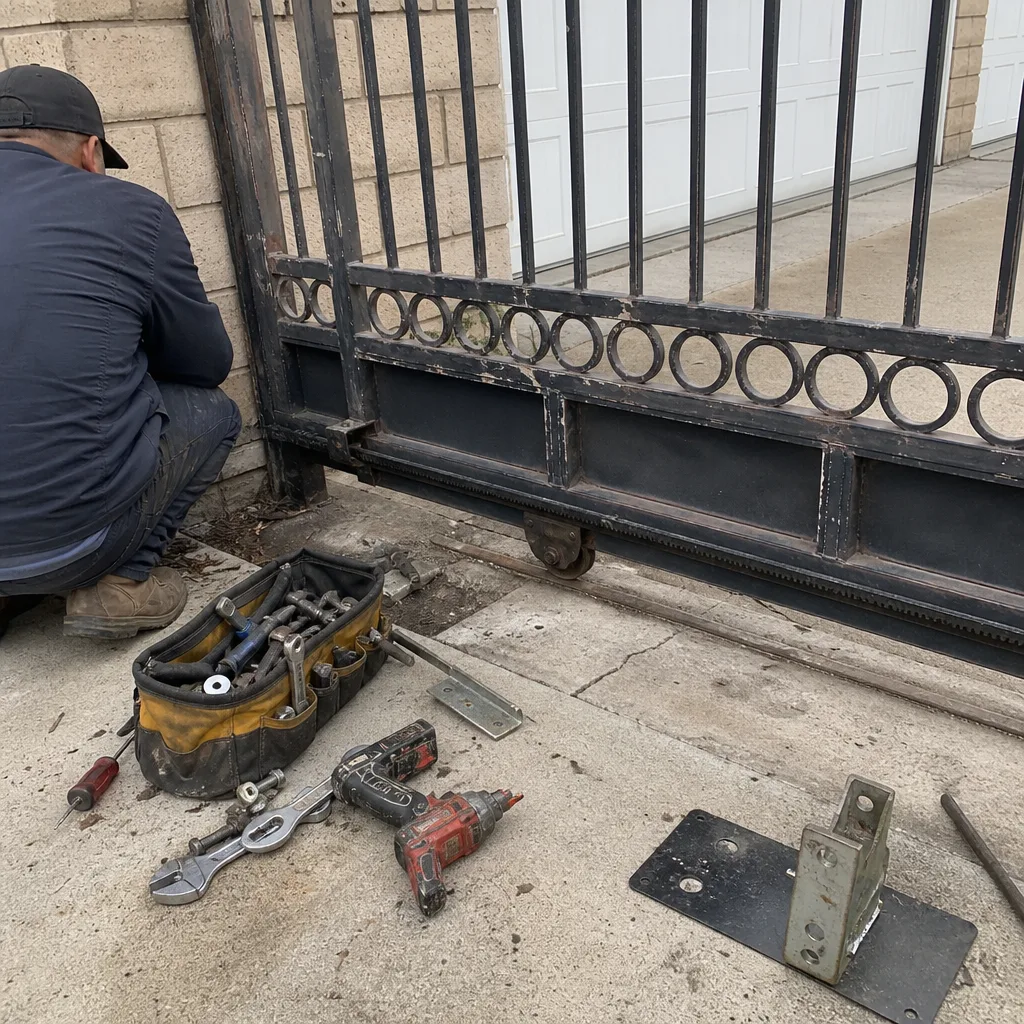 Before
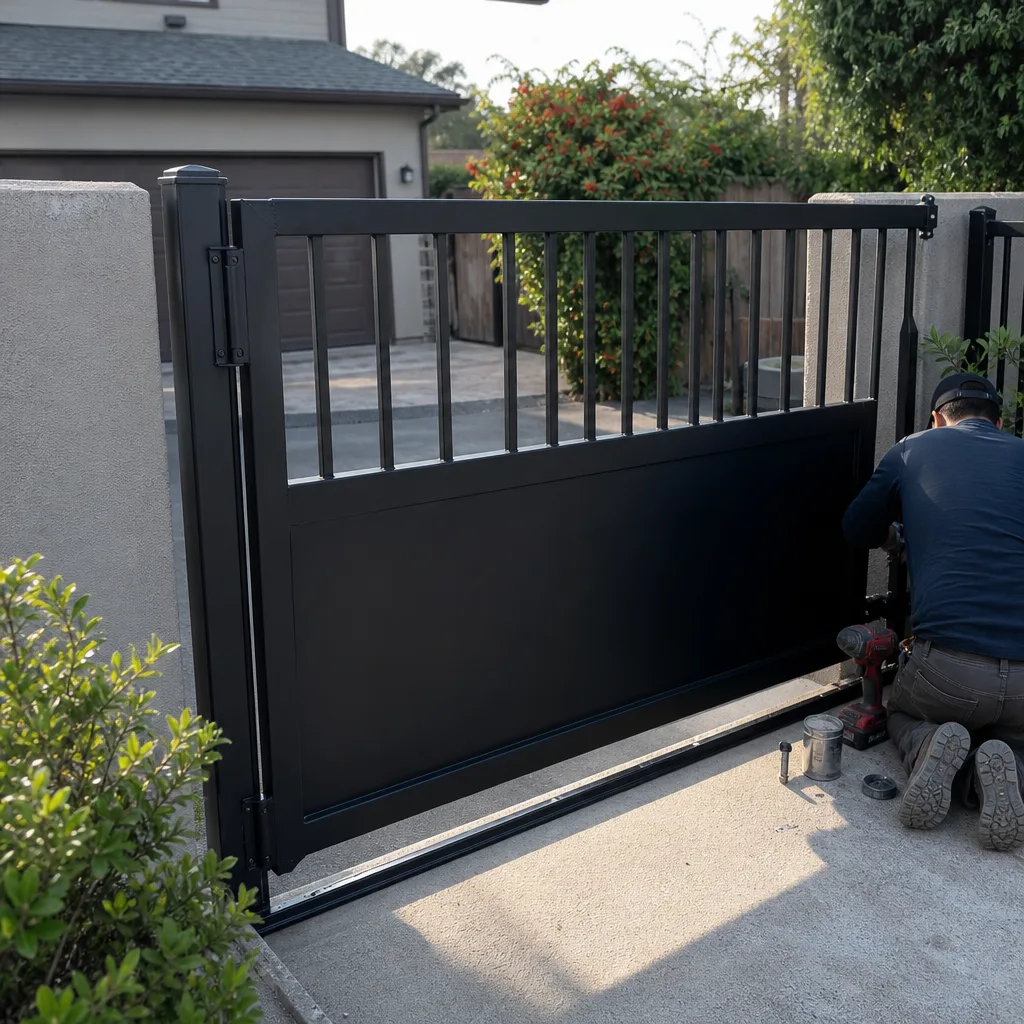 After
When to Call a Professional
Call a gate specialist when you see structural movement at the posts, when the gate reverses unpredictably, when hesitation is progressive, or when remote function fails entirely. These symptoms indicate problems that won’t stabilize on their own and that carry safety liability. A gate that drifts, reverses erratically, or fails to stop at its proper limit is a hazard to kids, pets, cars, and delivery drivers. If you’re seeing any of the warning signs in this guide and you’re not certain what they mean, get a professional diagnosis. Kensington Gate Repair offers free estimates in Montclair, call (833) 320-4513 and we’ll tell you exactly what you’re dealing with, no obligation.
We’re gate specialists, not general contractors. The same technicians who diagnose your LiftMaster will also handle a full gate installation in Montclair if replacement turns out to be the right call. One company for the life of the gate, from first symptom to final install.
Frequently Asked Questions
Gate repair costs in Montclair vary widely depending on whether the issue is mechanical or electrical, but expect $150 to $450 for common fixes like sensor realignment, limit switch adjustment, or roller replacement. Operator replacement runs higher, typically $800 to $2,500 installed, depending on the brand and horsepower. The cheapest diagnosis is avoiding one entirely: if you’re seeing warning signs, call (833) 320-4513 for a free estimate before the damage compounds.
If your gate won’t open or close at all, call us at (833) 320-4513 and we’ll do our best to get a technician to your Montclair property as soon as possible, often the same day for true emergencies. We don’t promise same-day service for every call, because some situations genuinely require parts that need to be ordered. But we’ll give you an honest assessment of timeline when we arrive.
Yes. Hesitation indicates the operator is drawing more current than it should, which means either the motor or the mechanical load has degraded. A gate that hesitates today is a gate that fails soon. Addressing it early usually costs hundreds, not thousands.
Not necessarily. In wind-exposed areas of Montclair, gusting winds can trigger the obstruction safety logic on solid-panel gates. If reversals only happen during Santa Ana events, the system is probably functioning correctly. If they happen on calm days, you have a sensor or mechanical issue that needs diagnosis.
Yes. Our technicians have hands-on experience with nine major gate and operator brands, including Mighty Mule, Ghost Controls, LiftMaster, FAAC, BFT, Linear, Viking, DoorKing, and Elite. We’re brand-agnostic, so our recommendation is based on what fits your existing system, not what we happen to stock.
Many gate problems are repairable when caught early: sensors, limit switches, rollers, hinges, control boards, and receiver modules are all serviceable components. Full replacement makes sense when the gate frame has structural rust, the posts have shifted beyond correction, or the operator is so old that replacement parts are no longer manufactured. We’ll give you a straight answer either way, and we won’t push replacement if repair is the right call.
The Bottom Line
Most gate failures in Montclair don’t happen suddenly. They announce themselves weeks in advance through hesitation, unusual sounds, drift, reversals, and remote lag. For more guides & resources on spotting problems early, explore our blog. The key is knowing which symptoms to act on, which to schedule, and which to simply watch. Hesitation, grinding, structural shift at the posts, and safety-related failures are urgent. Remote degradation and minor drift can be scheduled. Wind-related quirks can often be monitored. When in doubt, get a professional diagnosis. A free estimate costs nothing, and the earlier you address a developing problem, the less it costs to fix.
Written by the team at Kensington Gate Repair, serving Montclair since 2011.