Last updated October 31, 2026
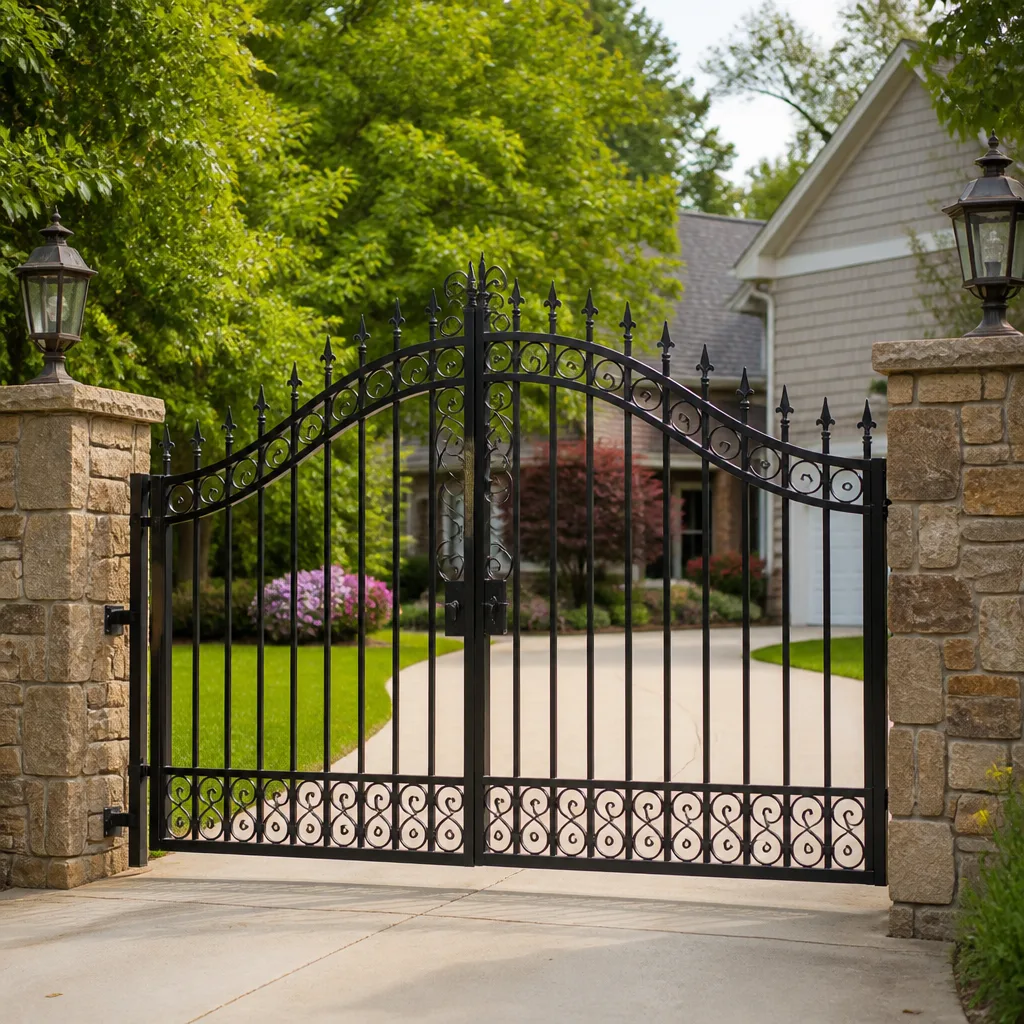 Wrought iron
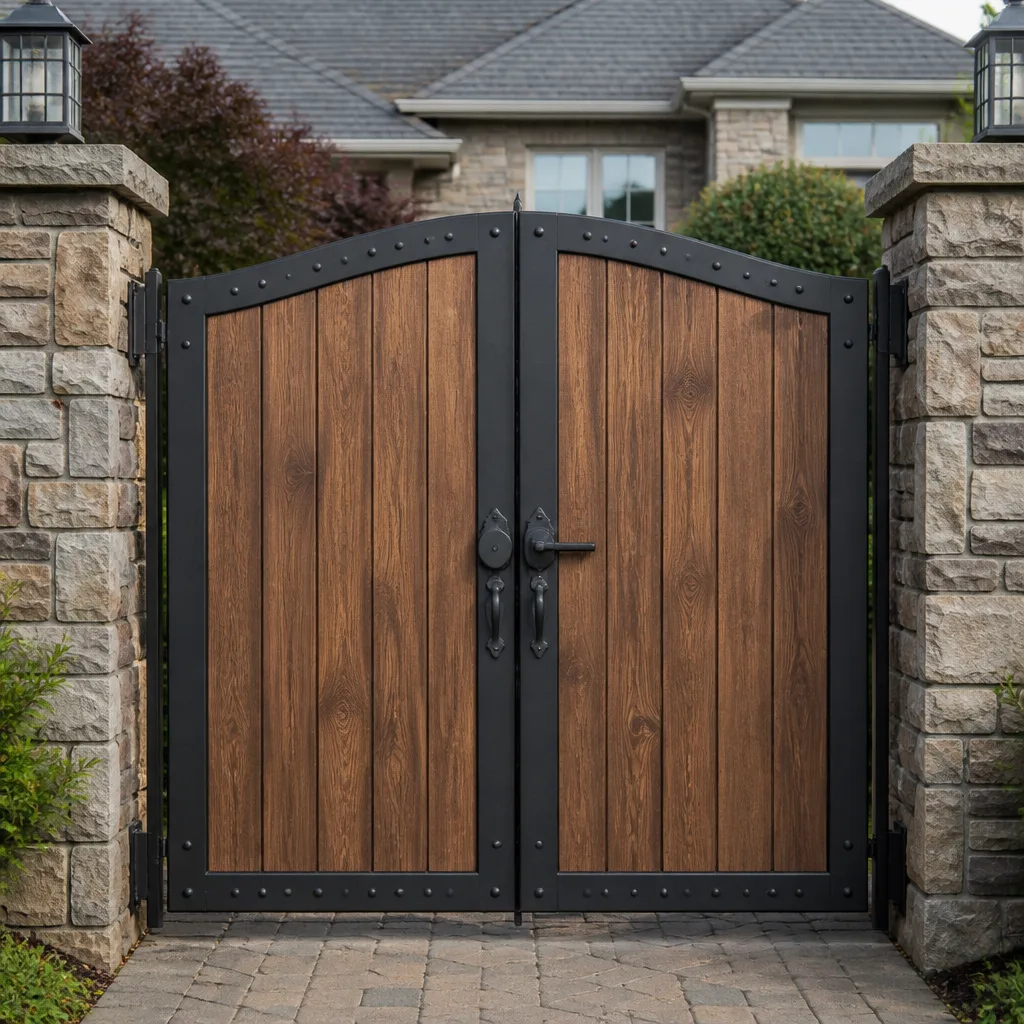 Wood & steel frame
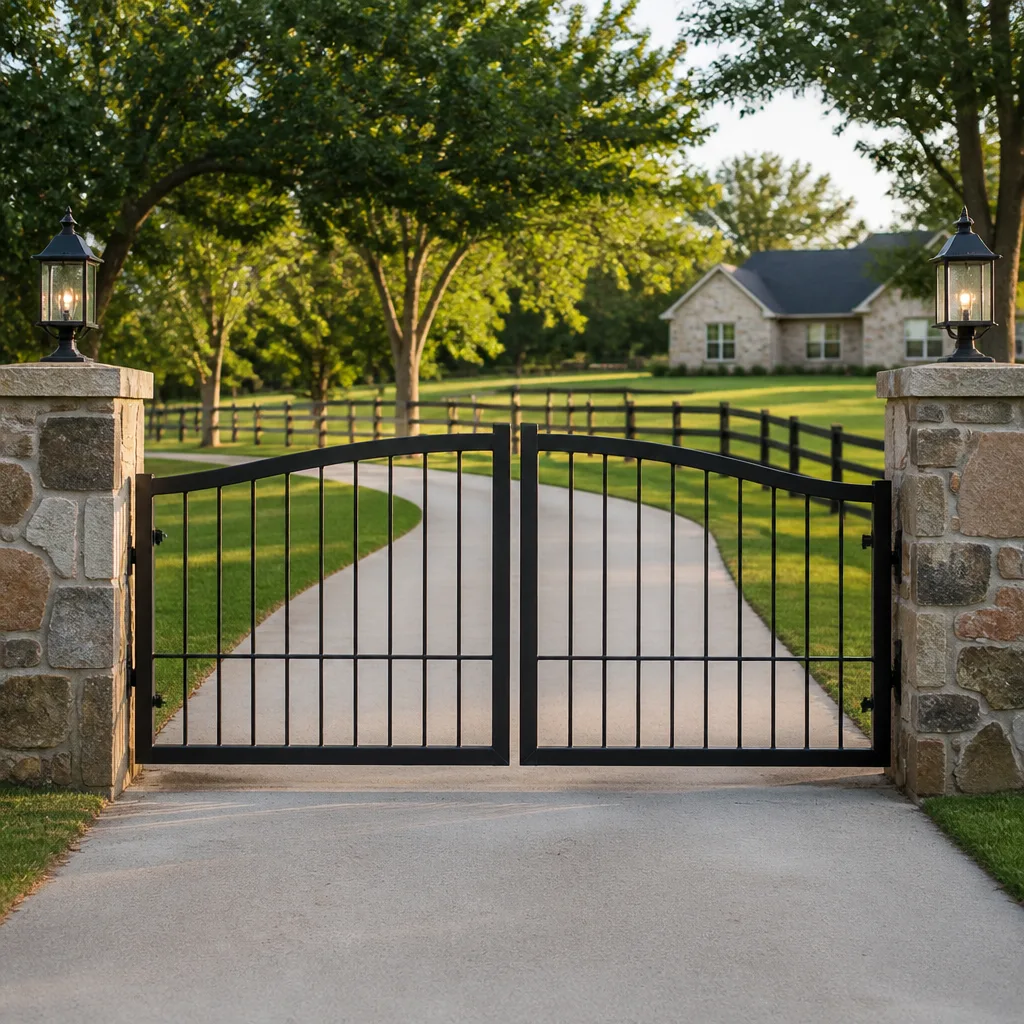 Farm & ranch
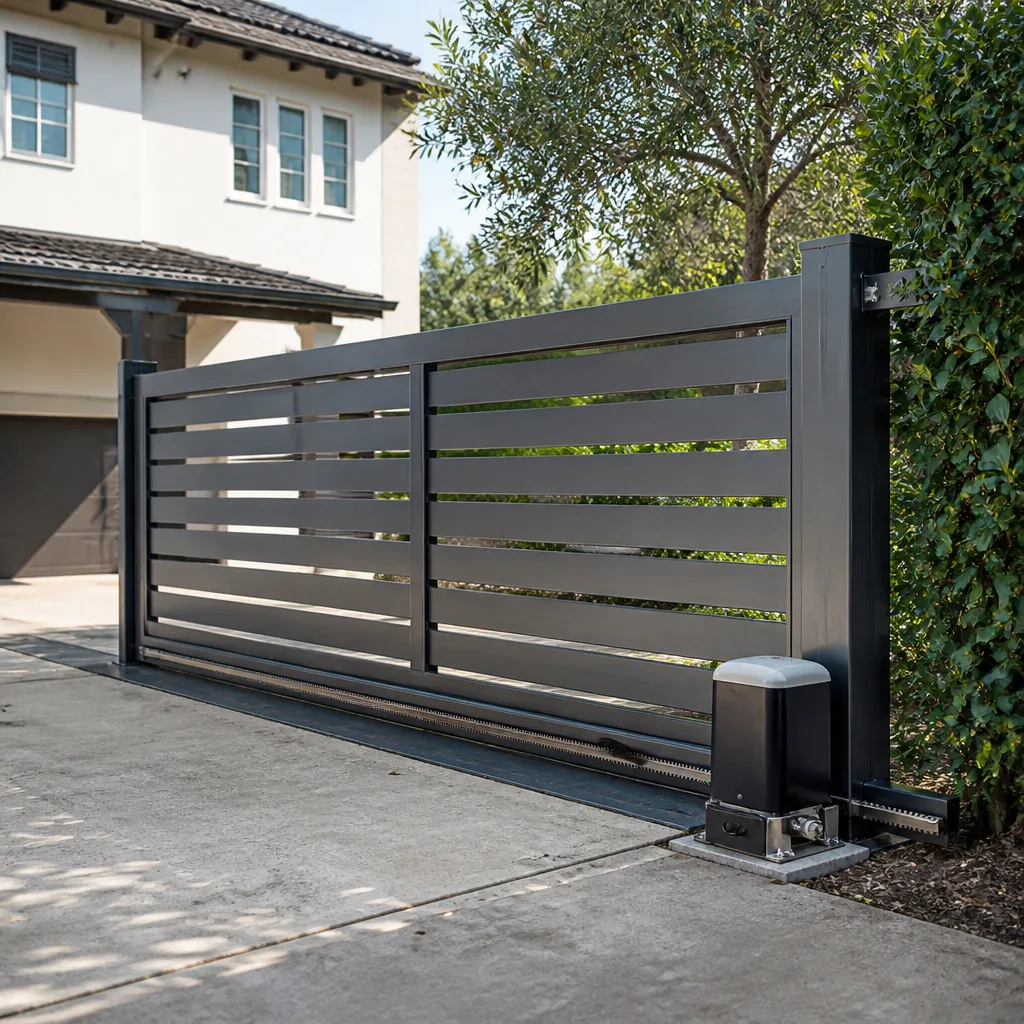 Sliding driveway gates
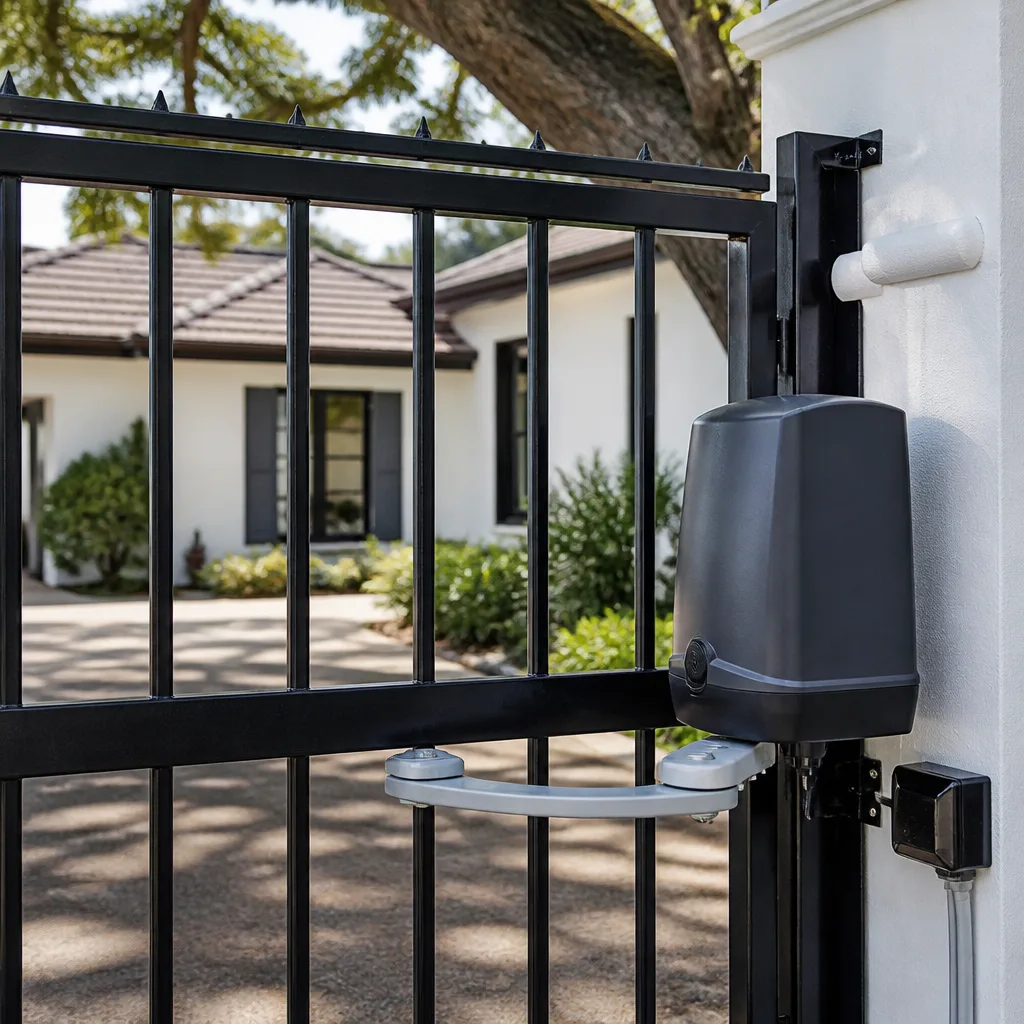 LiftMaster operators
Free on-site gate assessment - hinges, posts, and your LiftMaster or Nice gate operator checked before anything is quoted
The assessment is free and the quote is the invoice.
Get your free estimateChoosing the Right Gate Repair Brand: A Buyer’s Guide for Montclair
Some gate operator brands sold at big-box stores have U.S. parts availability measured in months after discontinuation. A unit installed in 2024 can be effectively unrepairable by 2027 because replacement boards simply aren’t stocked anywhere. We see this pattern constantly in Montclair, where homeowners come to us for our Gate Repair services with a dead operator and discover the real problem isn’t the motor: it’s that the manufacturer abandoned the product line. This guide explains what actually matters when choosing a gate repair brand, which brands hold up under Southern California conditions, and how to avoid buying a system that becomes a paperweight the first time something fails.
Styles & brands we work with
Quick Answer
The best gate operator brand for Montclair homes is the one with stocked parts, local technician fluency, and a duty cycle rated for your actual gate weight and daily usage, not the cheapest unit on the shelf. LiftMaster and FAAC consistently rank highest for parts availability and heat tolerance in our service area, while DoorKing and Linear offer strong commercial-grade options if properly matched to the gate. The brand matters less than whether the operator was correctly specified for your gate in the first place.
Table of Contents
- The Brands We Service and Why They Matter
- Parts Availability: The Hidden Cost Nobody Quotes
- How Montclair’s Climate Separates Good Operators from Bad Ones
- What “Commercial-Grade” Actually Means on a Residential Gate
- Matching the Operator to Your Gate: The Calculation Most Installers Skip
- Electric vs. Manual Gates: When Automation Makes Sense
- Common Mistakes to Avoid
- When to Call a Professional
- Frequently Asked Questions
- The Bottom Line
The Brands We Service and Why They Matter
Kensington Gate Repair works on virtually every major gate brand sold in the United States. Our technicians carry hands-on certification and field experience across nine manufacturers: LiftMaster, FAAC, BFT, Linear, Viking, Ghost Controls, DoorKing, Elite, and Mighty Mule. That breadth isn’t a marketing bullet. It means when we diagnose a gate in Montclair, we’re comparing the actual behavior of the unit in front of us against hundreds of similar units we’ve repaired across competing brands, not guessing based on one manufacturer’s training manual.
Here’s what we’ve learned from working across brands daily:
- LiftMaster dominates residential and light commercial installations in Montclair. Parts are widely stocked, control boards are relatively easy to source, and the LA400 and CSL24UL models handle heat well when installed with adequate ventilation. The brand’s ubiquity cuts both ways: parts are easy to find, but installer quality varies wildly.
- FAAC builds operators that tolerate harsh conditions better than most. The 400 and 402 series are common on heavier gates and in communities where gates cycle frequently. FAAC parts cost more upfront, but the hydraulic models in particular have a reputation among technicians for outlasting their rated cycle counts.
- DoorKing is a true commercial-grade brand that shows up on residential properties in Montclair’s larger estates and HOA communities. The 9150 and 6050 models are workhorses when specified correctly, but they’re overkill and often misapplied on light residential gates, which causes as many problems as it solves.
- Linear operators are common in multifamily and gated communities. The brand has solid engineering, but parts availability for older Linear models has become inconsistent, which matters if you’re buying used or inheriting an existing system.
- Mighty Mule is the value brand sold at hardware stores. We repair these weekly. They work fine for light gates in low-cycle applications, but the control boards are not designed for heavy duty cycles, and parts support can disappear quickly when the model refreshes.
Brand-agnostic diagnostics is the core of how we operate. Because we repair all of these brands rather than selling one, our recommendation for your gate is based on what your system actually needs. If a Mighty Mule is genuinely the right fit for a light pedestrian gate, we’ll say so. If a LiftMaster won’t survive your gate’s weight class, we’ll tell you that too. That’s the difference between a gate specialist and a dealer with brand loyalty.
Learn more about our Gate Repair in Montclair services and how our brand-agnostic approach works in practice.
Parts Availability: The Hidden Cost Nobody Quotes
A gate operator is not a toaster. You cannot buy a replacement and expect it to work for fifteen years without service. Motors wear out, control boards fail, capacitors dry up, and limit switches drift. The question is not whether your operator will need parts, it’s whether those parts will exist when you need them.
Here’s how to evaluate a brand’s parts ecosystem before you buy, with more guides & resources available on our blog:
- Ask where the parts warehouse is. Brands with U.S.-based distribution centers restock local supply houses in days. Brands that ship parts from overseas facilities can leave your gate down for weeks while a control board clears customs.
- Check whether the model has been in production for more than three years. New models from any brand are riskier until the parts pipeline is established. If a model launched eighteen months ago and the manufacturer is already pushing a replacement, expect parts for the old model to dry up quickly.
- Ask a local repair company how many of that exact model they’ve serviced in the past year. This is the question most buyers skip. If no local technician has seen the unit, you’re the beta tester.
- Look at the control board availability, not just the motor. Control boards fail at a much higher rate than motors, especially in heat and dust. If a board for your candidate brand is backordered nationwide, your gate is down until the manufacturer decides to make more.
We’ve seen the consequences of ignoring this in Montclair. A homeowner buys a discontinued operator from an online liquidator for $400, installs it, and gets eighteen months of service before the board burns out. The replacement board is not available anywhere. The homeowner now pays for a new operator plus installation, and the total cost ends up double what a correctly specified LiftMaster or FAAC would have cost upfront. The cheapest unit at installation is often the most expensive decision over a ten-year ownership window.
Our Electric Gate Repair in Montclair service handles these situations regularly. We’ll always be upfront about whether your existing brand has viable long-term parts support or whether you’re throwing money at a dying platform.
How Montclair’s Climate Separates Good Operators from Bad Ones
Montclair sits in the Pomona Valley, which means hot, dry summers with temperatures regularly climbing into the 90s and past 100 from June through September. The sun beats on gate operators for hours daily. Dust from the foothills and surrounding chaparral works its way into every seam. UV radiation degrades plastic housings, rubber seals, and wiring insulation faster than manufacturers’ generic lifespan estimates suggest.
These conditions expose weak engineering quickly. Here’s what we see in Montclair:
- Control board heat failure: The most common heat-related failure is a control board that works in the morning and dies in the afternoon. Thermal expansion cracks solder joints, and the board works intermittently until it doesn’t work at all. Brands that mount boards in metal enclosures with ventilation slots (LiftMaster, FAAC, DoorKing) survive better than brands with tightly sealed plastic housings that trap heat.
- Gear and bearing wear from dust: Fine dust settles on lubricated parts and turns grease into grinding paste. Operators with open gear trains degrade faster than sealed or belt-driven units. Linear and FAAC models with enclosed gearboxes handle Montclair dust better than open-gear designs on cheaper Mighty Mule units.
- UV degradation of plastic components: Housings become brittle, hinge covers crack, and photo eye lenses cloud over. The fix is replacement, and replacement housings are exactly the kind of low-demand part that manufacturers discontinue first.
- Solar interference on wireless accessories: Intense heat and direct sun degrade the batteries in wireless keypads and remote receivers faster. A keypad that works for three years in coastal climates may need battery replacement or full replacement in two in Montclair.
When we recommend a brand for a Montclair installation, heat tolerance is not a footnote. It’s a primary filter. LiftMaster’s LA400 and FAAC’s 402 series are two models we’ve seen hold up through multiple Inland Empire summers. We’ve also seen residential operators from budget brands fail within two summers when installed on unshaded south-facing gates.
For more on how we diagnose climate-related failures, see our Kensington Gate Repair home page or call us directly at (833) 320-4513.
What “Commercial-Grade” Actually Means on a Residential Gate
The phrase “commercial-grade” on a gate operator box means less than most buyers assume. It is not a regulated term. There is no certification body that determines whether a unit earns the label. What the manufacturer actually means is that the unit is built for higher cycle counts, heavier gates, or both. But those ratings are engineering targets, not promises, and they only apply when the operator is correctly matched to the gate.
Here’s what actually differs between a residential and a commercial operator:
- Duty cycle: A residential operator may be rated for 20 cycles per day. A commercial operator may be rated for 100 or more. A “cycle” is one full open-and-close. If your household opens the gate eight times daily, that’s eight cycles. If you run a home business with daily deliveries, that could be 30 cycles. Exceed the rated duty cycle consistently and motor life drops sharply.
- Motor construction: Commercial units use heavier windings and larger thermal mass to dissipate heat. They can run longer before thermal overload protection kicks in.
- Component quality: Commercial boards use higher-spec capacitors and relays rated for more switching operations. This matters in heat, where cheap components degrade faster.
- What doesn’t change: The label doesn’t make a poorly installed operator work better. A commercial DoorKing operator bolted to a misaligned gate with no travel stops will fail as quickly as a residential unit. The installation determines lifespan as much as the unit.
We see this mistake in Montclair regularly. A homeowner buys a DoorKing 9150 because it says “commercial-grade” and assumes it will last forever on a 12-foot residential driveway gate. But the operator is oversized for the gate, cycles too hard, and slams the gate against the stops because the installer never adjusted the limits. The operator fails early, and the homeowner blames the brand. The brand wasn’t the problem. The application was.
This is why we recommend matching the operator to the gate rather than buying the biggest unit you can afford. A correctly sized LiftMaster on a properly hung gate will outlast an oversized commercial unit on a poorly installed one every time.
Matching the Operator to Your Gate: The Calculation Most Installers Skip
Most residential gate operators are sold by gate weight and width alone: “This unit handles up to 1,000 pounds and 20 feet.” That’s the spec-sheet approach, and it’s incomplete. The real calculation includes three more variables that determine whether the operator will last five years or fail in eighteen months.
Here’s the full matching process we go through on every installation in Montclair:
- Measure the actual gate weight. Not the manufacturer’s listed weight. We use a scale or calculate based on material, dimensions, and hardware. A 16-foot ornamental iron gate with solid panels can weigh 900 pounds when the homeowner assumed it weighed 500.
- Determine the daily cycle count. Count every open and close in a normal week and divide by seven. A family of four with two cars and daily deliveries may hit 25 cycles daily. A weekend-only gate may hit 10. The operator’s duty cycle rating must exceed the actual cycle count by at least 30 percent to leave headroom for busy days.
- Check the wind load. Montclair gets strong Santa Ana winds in the fall. A solid-panel gate acts as a sail, and an operator fighting wind resistance on every cycle wears down fast. Wind load is a function of gate surface area, not weight. A light but solid gate can strain an operator more than a heavy open-picket gate.
- Check the power source. Some operators are AC-powered, some DC. DC operators with battery backup are becoming the standard for new installations because they run quietly and keep working during power outages. But DC boards are more sensitive to heat than AC boards. In a metal enclosure in direct sun, a DC board can fail where an AC board would survive.
- Factor the hinge and track condition. An operator is only as good as the mechanical system it drives. If the gate binds on the hinges or the wheels catch on the track, the operator is fighting mechanical resistance every cycle. No brand survives that for long.
Skipping this calculation is the most common cause of premature operator failure we see. The operator was fine. The application was wrong. When we install a gate, the matching process is part of the job, not an upsell. For details on what a full installation includes, visit our Gate Installation in Montclair page.
Electric vs. Manual Gates: When Automation Makes Sense
Not every Montclair gate needs an operator. A manual gate costs less to buy, costs almost nothing to maintain, and cannot fail from control board issues. The decision to automate should be based on how the gate is actually used, not on the idea that automation is always an upgrade.
Automation makes sense when:
- The gate is opened and closed more than five times per day. At that frequency, getting out of the car to open the gate manually becomes a real inconvenience, and an automated system pays for itself in time saved.
- The gate is heavy enough that manual operation is physically difficult. A 600-pound gate on ball-bearing hinges opens easily by hand. The same gate on worn or undersized hinges takes real effort.
- Security or access control is a requirement. If you need to log who enters, grant remote access, or integrate with a call box, you need an operator with control board support for those features.
- The gate is wide enough that drive-through access matters. Montclair properties with long driveways and limited street parking benefit from not having to stop, park, open the gate, get back in the car, drive through, park again, and close the gate.
Automation may not make sense when:
- The gate is used once or twice a day and is easy to open manually.
- The gate is a pedestrian gate that never needs vehicle access.
- The property is a rental where tenant turnover makes remote access programming a recurring headache.
- Budget is the primary constraint. A quality automated system with installation runs several thousand dollars. A well-built manual gate costs a fraction of that and lasts decades with minimal upkeep.
The brand question only matters once you’ve decided automation is right for you. If you’re still deciding, the same matching principles apply: evaluate your actual gate weight, usage pattern, and climate exposure. Those factors determine which operator, if any, is right for the property.
Common Mistakes to Avoid
- Buying the cheapest operator at a hardware store and expecting it to handle a full-size driveway gate. Mighty Mule units are rated for specific gate weights and cycle counts. Exceed those, and the unit dies early. We replace these constantly in Montclair.
- Assuming a discontinued brand’s parts will always be available. Online liquidators sell discontinued operators cheap because the manufacturer has already stopped supporting them. The savings disappear the first time a board fails.
- Oversizing the operator as a form of insurance. A commercial-grade DoorKing on a light residential gate slams the gate against the stops and wears out limit switches. Match the operator to the gate, not to your anxiety.
- Ignoring the gate’s mechanical condition before installing a new operator. If the gate binds on the hinges or the wheels catch, the new operator is fighting an uphill battle from day one. Fix the mechanical issues first.
- Buying based on smart home integration alone. Some brands market heavily on app control and integration features. Those features don’t matter if the motor and board can’t handle Montclair’s heat. Prioritize durability, then connectivity.
- Using a general handyman for electric gate installation. Electric gates involve line voltage, low-voltage control wiring, safety sensors, and sometimes vehicular loop detectors. A handyman who occasionally fixes gates does not have the diagnostic depth to handle these systems correctly. This is exactly why electric gate repair should go through a specialist.
- Not checking duty cycle before buying. A gate that cycles 40 times a day on an operator rated for 20 will kill the motor in months, regardless of brand. Count your cycles before you buy.
When to Call a Professional
Gate operator diagnosis is not a DIY project for most homeowners. The systems combine line voltage, low-voltage control wiring, and mechanical components, and a misdiagnosis can leave you with a new part that doesn’t fix the problem. Call a specialist when the gate opens but won’t close, when the operator hums but doesn’t move the gate, when the gate reverses unexpectedly, when the control board shows error codes you can’t interpret, or when the gate has been hit by a vehicle and the alignment is off. In Montclair, we also recommend calling after any significant wind event that may have bent the gate frame or shifted the track. Kensington Gate Repair offers free estimates in Montclair, call (833) 320-4513 and we’ll diagnose the real problem, not just the symptom.
Frequently Asked Questions
LiftMaster is the most reliable choice for most Montclair residential gates because parts are widely stocked, local technicians know the platform well, and the LA400 and CSL24UL models handle Inland Empire heat when installed correctly. FAAC is the stronger choice for heavier gates or high-cycle applications. The right answer depends on your gate’s weight, daily cycle count, and sun exposure. Call (833) 320-4513 for a free evaluation and we’ll match the operator to your gate.
Gate operator replacement in Montclair typically ranges from $1,800 to $4,500 including the unit, installation, and safety sensor setup, depending on the brand, gate weight class, and whether we’re replacing like-for-like or upgrading. The price is quoted and agreed before any work starts. For an exact quote on your gate, call (833) 320-4513 and we’ll provide a written estimate at no charge.
LiftMaster, FAAC, and DoorKing have the strongest parts ecosystems for Montclair homeowners because all three maintain U.S.-based distribution and support their models for years after release. Budget brands like Mighty Mule have shorter support windows for discontinued models. Before buying any operator, ask whether the control board for that exact model is currently in stock at a U.S. distributor.
Kensington Gate Repair services and repairs all nine major gate brands: LiftMaster, FAAC, BFT, Linear, Viking, Ghost Controls, DoorKing, Elite, and Mighty Mule. We do not sell operators as our primary business, so our recommendations are based on what your system needs, not on what we have in inventory. That’s the brand-agnostic difference.
Two-year failures in Montclair are almost always caused by one of three issues: the operator’s duty cycle was exceeded, the control board overheated in direct sun, or the gate’s mechanical system was binding against the operator. A correctly specified LiftMaster or FAAC on a properly hung gate should last eight to twelve years in this climate. If your operator died at two years, the application was likely the problem, not the brand.
Not necessarily. A heavy gate requires an operator with the right torque rating, not a commercial label. Some residential operators from LiftMaster and FAAC are rated for gates up to 1,000 pounds. What matters more is the cycle count and the wind load on your specific gate. We calculate all three before recommending any unit.
The Bottom Line
Gate repair brand selection in Montclair comes down to parts availability, heat tolerance, and correct specification. LiftMaster and FAAC are the two brands we see holding up best under Inland Empire conditions, with DoorKing and Linear as strong alternatives when matched properly. Budget brands have their place on light gates with low cycle counts, but the savings vanish the first time a discontinued part fails. Before you buy any operator, check the parts pipeline, count your actual daily cycles, and verify the unit’s heat tolerance for a south-facing installation. A correctly specified $2,000 operator will outlast an incorrectly specified $3,000 one every time.
Written by the team at Kensington Gate Repair, serving Montclair since 2011.
For a free estimate on gate repair, electric gate repair, or new gate installation in Montclair, call (833) 320-4513. One call covers repair and installation, and every price is quoted and agreed before we start.
See the difference
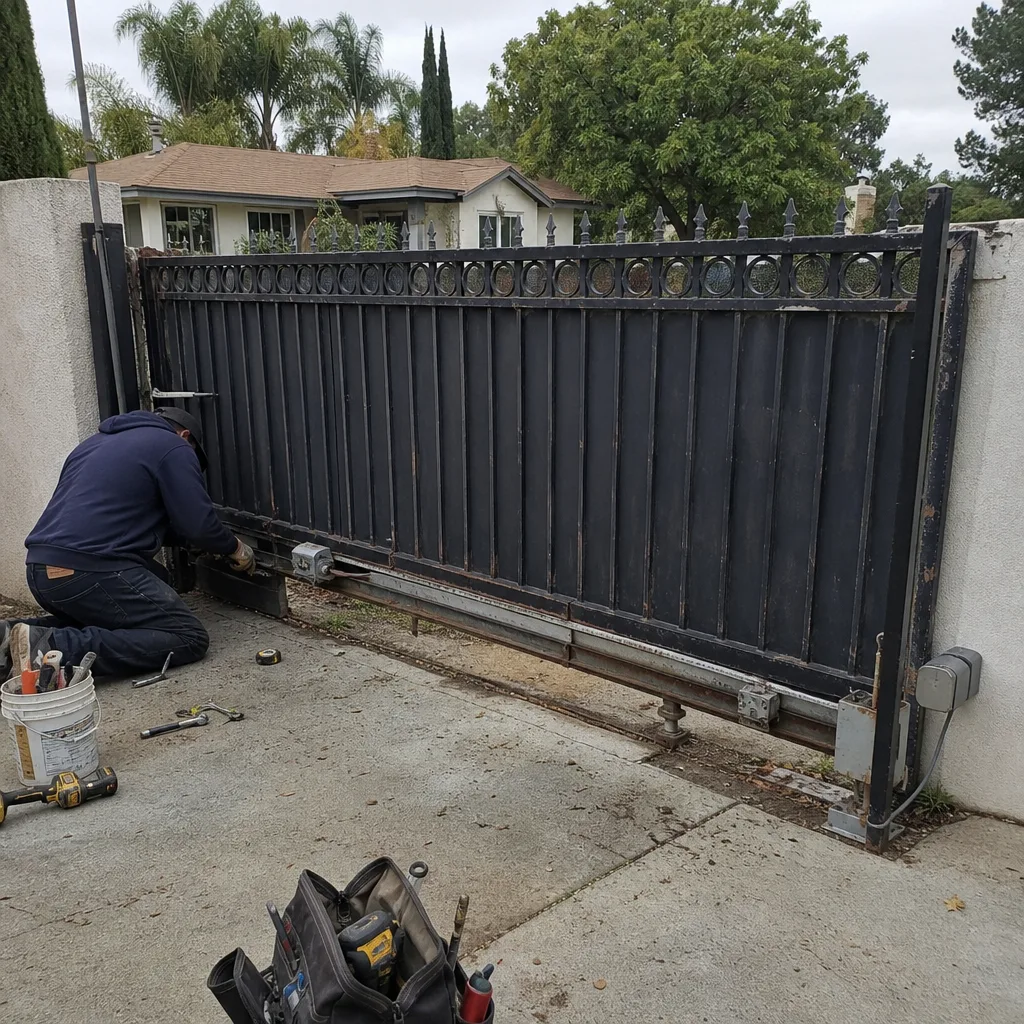 Before
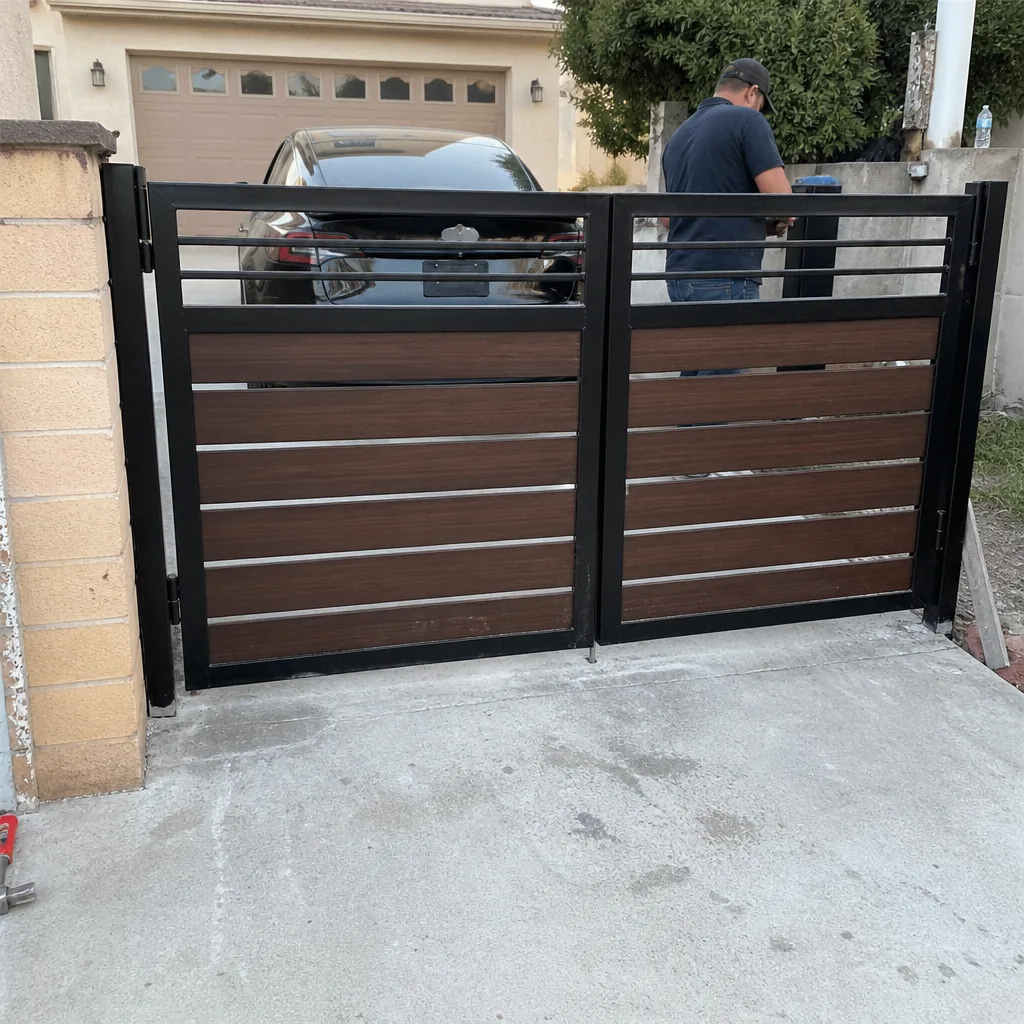 After
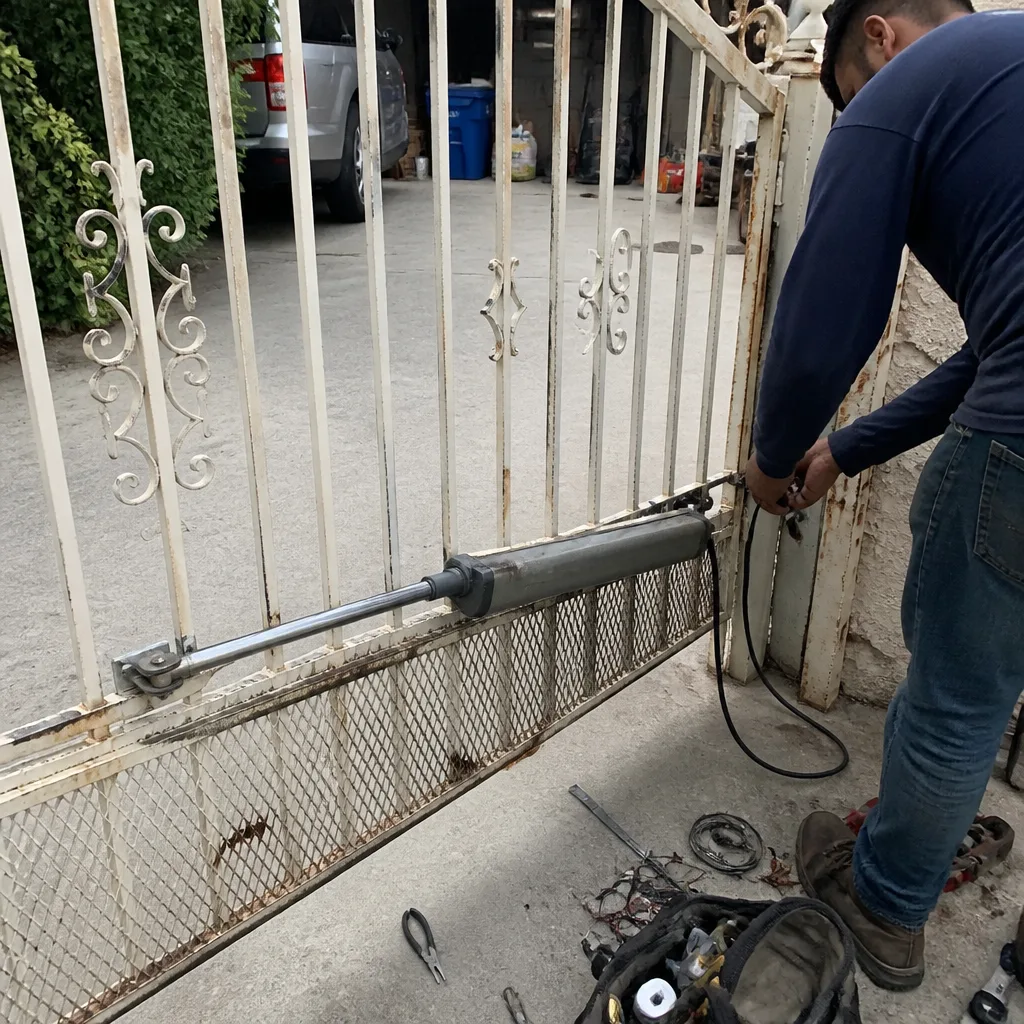 Before
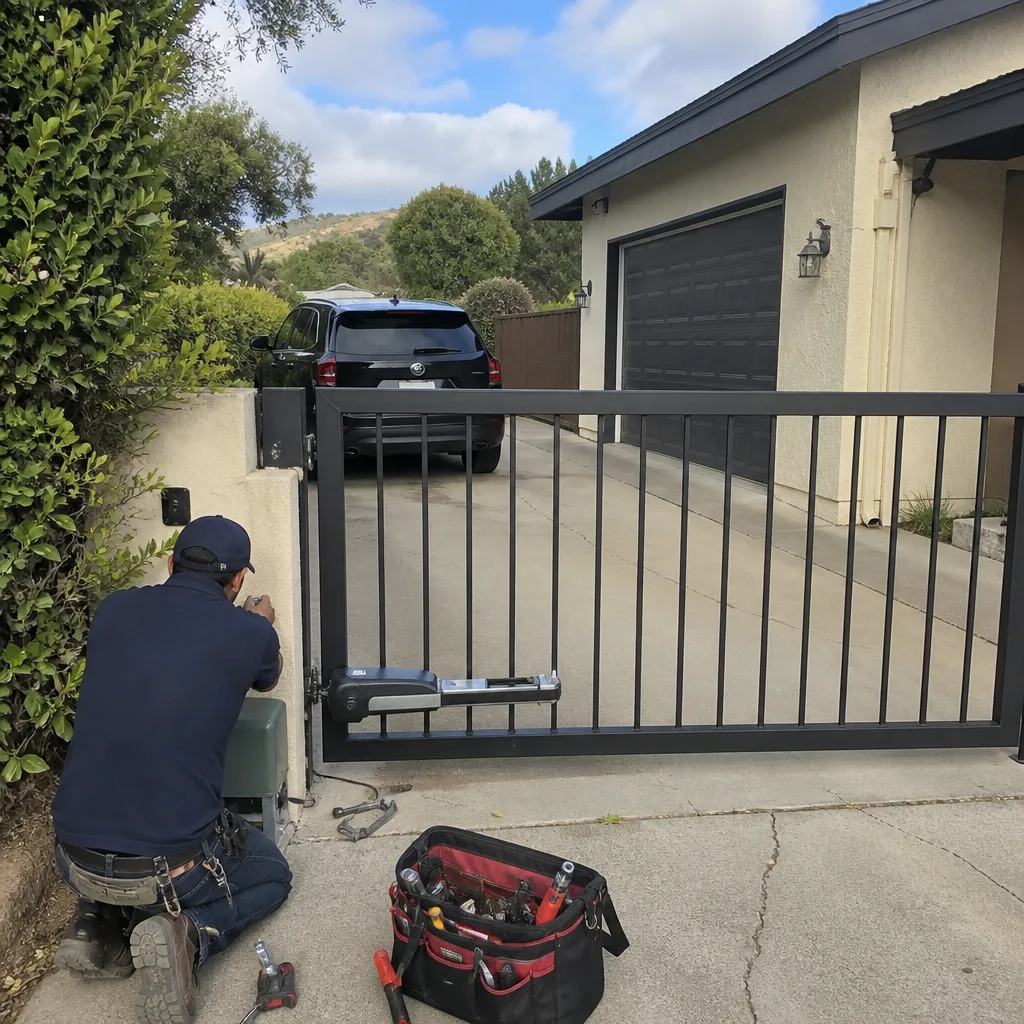 After
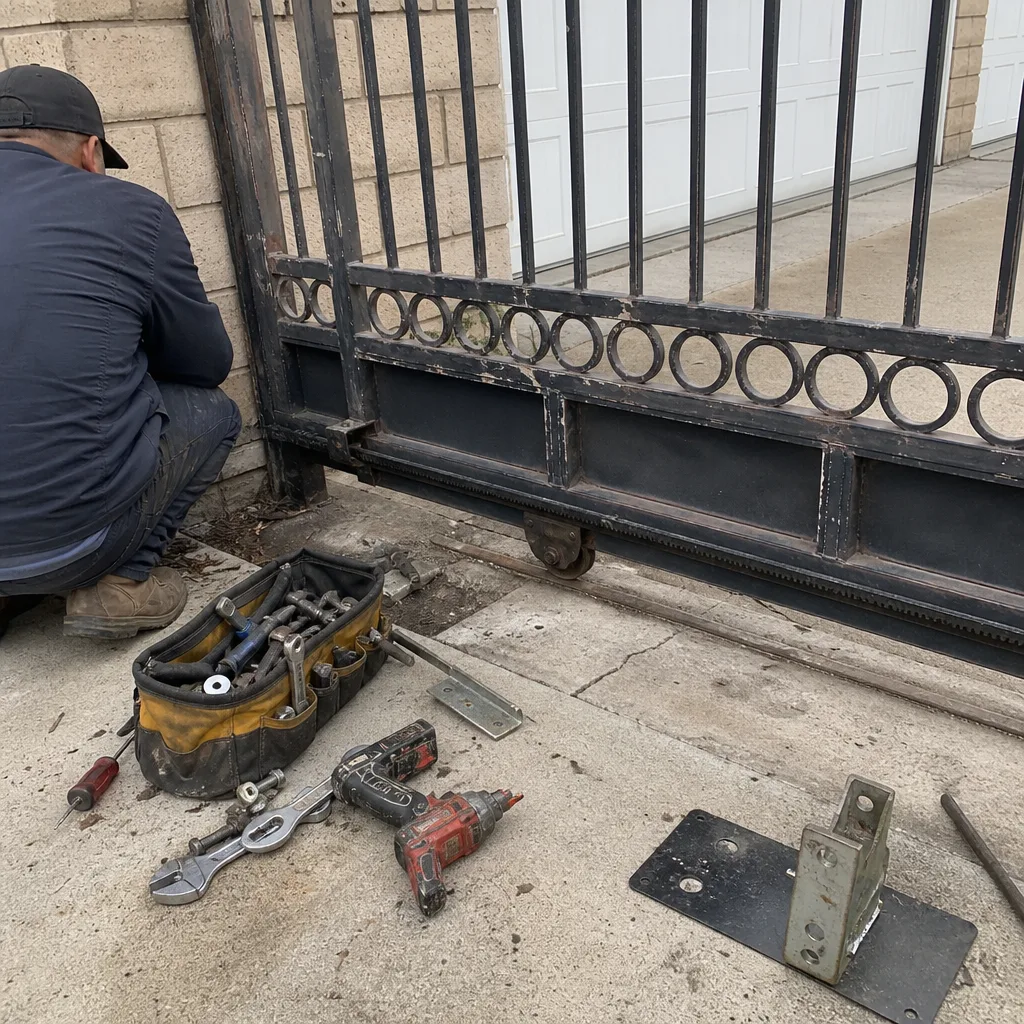 Before
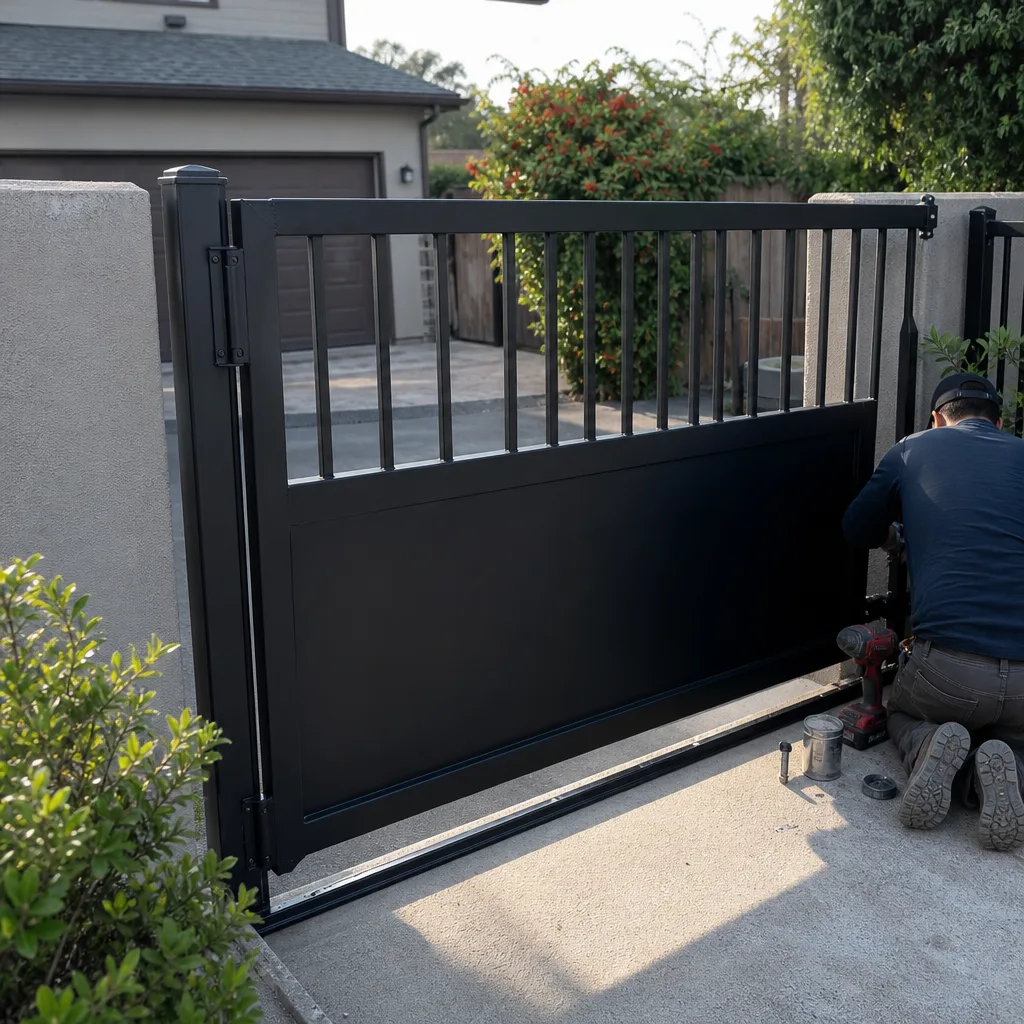 After