
Last updated October 31, 2026
 Wrought iron
 Wood & steel frame
 Farm & ranch
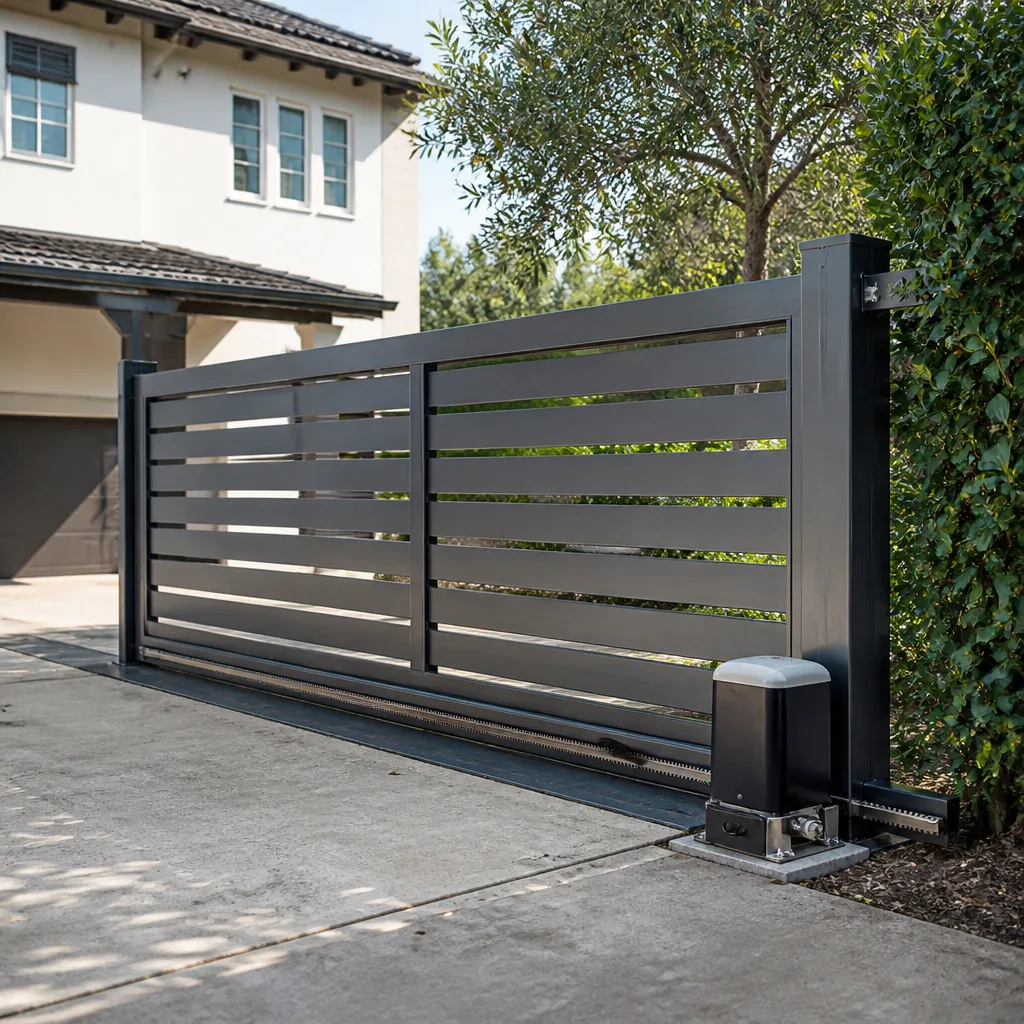 Sliding driveway gates
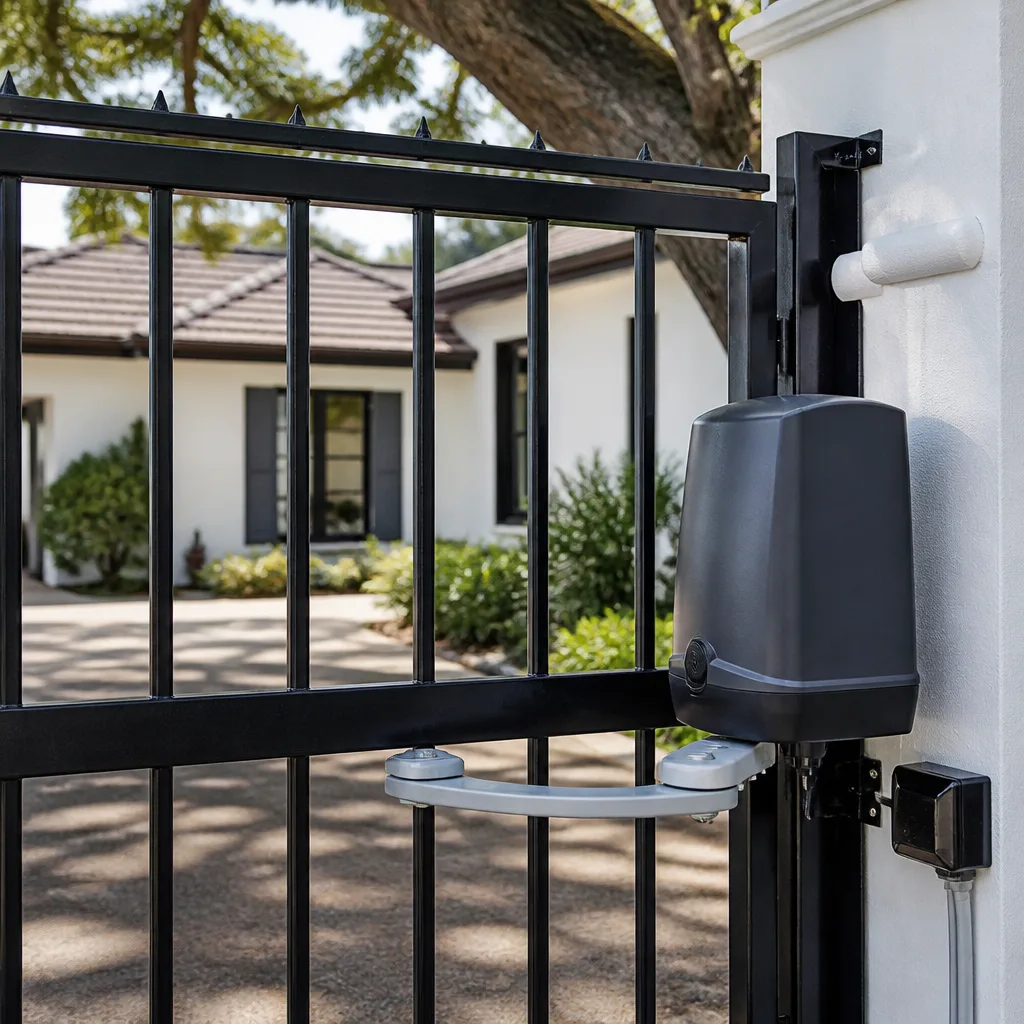 LiftMaster operators
Free on-site gate assessment - hinges, posts, and your LiftMaster or Nice gate operator checked before anything is quoted
The assessment is free and the quote is the invoice.
Get your free estimateGate Repair Troubleshooting: Common Problems and How to Fix Them
The most expensive gate repair is the one that happens twice. In Montclair’s older hillside neighborhoods and the newer developments east of Central Avenue alike, we see a pattern that costs homeowners thousands every year: a symptom gets treated, the underlying cause doesn’t, and the gate fails again within months. Replacing a gate remote when the opener board is failing costs you $30 and three weeks, until the board dies completely on a Sunday night with your car stuck inside. This guide, along with our Gate Repair Warning Signs: A Montclair Homeowner’s Reference Guide, walks through the diagnostic logic we use on every service call, so you can trace a symptom to its actual source before opening your wallet. You’ll learn what to check safely, what the readings mean, and which problems genuinely require a technician.
Quick Answer
Gate repair troubleshooting starts with narrowing the symptom: the gate won’t open, won’t close, moves slowly, reverses mid-cycle, or makes noise. Most electric gate failures trace to four causes: low or dead batteries in remotes, misaligned or dirty photo eye sensors, a failing capacitor or control board, or mechanical binding in the hinge or track. Before replacing parts, check the power source and the photo eyes, since those account for roughly half of all our Gate Repair services calls we run in Montclair.
Styles & brands we work with
Table of Contents
- Gate Opens Only Sometimes or Not at All
- Gate Opens but Won’t Close
- Gate Moves Slowly or Strains
- Gate Reverses Mid-Cycle
- Gate Makes Grinding, Clicking, or Squealing Noises
- Intercom and Access Control Faults That Mimic Gate Failures
- Multimeter Checks a Homeowner Can Do Safely
- Which Troubleshooting Steps Void Your Warranty
Gate Opens Only Sometimes or Not at All
This is the call we run most often in Montclair, and the cause is rarely the motor. An electric gate that won’t open, or opens intermittently, almost always points to one of four problems: transmitter failure, receiver board fatigue, a dead battery in the keypad, or a power interruption to the operator itself.
Start with the simplest test. Stand near the gate and press the remote. If you hear a click from the operator but no movement, the receiver is getting signal. That tells you the remote, its battery, and the antenna are all functioning. The fault is downstream: capacitor, motor, or mechanical binding. If you hear nothing at all, swap the remote battery first. A CR2032 lithium cell costs a few dollars and fixes more “dead” gates in Montclair than any other single part.
If a fresh battery doesn’t help, check whether the keypad entry works. If the keypad opens the gate but the remote doesn’t, the receiver board inside the operator is likely failing. On LiftMaster and Linear units, this board is often a replaceable module. On FAAC and BFT operators, the receiver is frequently integrated into the main control board, which means the diagnosis matters more because the repair cost is higher. We never replace a board on a FAAC or BFT unit without first confirming signal voltage at the receiver terminals with a multimeter.
The second-most-common cause is a tripped GFCI outlet or a popped breaker. Many Montclair homes built in the 1970s and 1980s have the gate operator fed from a garage or exterior outlet that shares a circuit with other loads. A tripped GFCI kills the gate completely and looks exactly like a dead operator. The fix is a reset button, not a service call. Check this before you call anyone.
Gate Opens but Won’t Close
A gate that opens fine but refuses to close is almost always a safety sensor issue, not a motor issue. The photo eye, also called the safety beam, sits near ground level on either side of the gate opening. When the beam is interrupted or misaligned, the operator logic refuses to close the gate, because it interprets the broken beam as a car or person in the path.
The two-minute test: look at the photo eye units. Most have a small LED indicator. A solid green or red light means the eye is aligned and powered. A blinking light means misalignment or a dirty lens. Wipe both lenses with a dry cloth, then check if one unit got bumped by a lawnmower, a child, or a trash bin. In Montclair’s older homes with narrow side yards, it’s common for the photo eye to get knocked by a trash can every single week, and the gate unpredictably refuses to close.
If the lenses are clean and aligned but the gate still won’t close, the next suspect is the loop detector. A vehicle loop detector is a coil of wire buried in the driveway that senses the metal mass of a car. When the detector fails, it can send a constant “vehicle present” signal, which tells the operator to hold the gate open. This is a common misdiagnosis point: a general handyman will replace the photo eye, see no change, and then condemn the control board. The actual fix is often a $100 loop detector module or a repair to the loop wire.
One more Montclair-specific note: after heavy rain, surface water can pool around the gate track on properties with poor drainage. The photo eye doesn’t care about water, but a submerged loop detector will behave erratically. If your gate fails to close after a storm, the loop is your prime suspect.
Gate Moves Slowly or Strains
A sliding or swinging gate that moves noticeably slower than it did a year ago is telling you something specific: mechanical resistance is increasing, motor torque is decreasing, or both. In Montclair’s dry summer heat, metal gates expand and hinge lubrication breaks down faster than in coastal climates. A gate that was smooth in January can bind by August.
Start by disconnecting the operator from the gate, if your system allows a manual release. Push the gate by hand along its full travel. A properly balanced gate glides with one hand. If you’re leaning into it, the problem is mechanical, not electrical. Check hinges for rust, check the track for debris or deformation, and check the gate wheels for flat spots. On cantilever sliding gates, which are common on Montclair’s commercial properties and larger residential lots, a single failed roller bearing creates enough drag to overload the motor.
If the gate moves freely by hand but slowly under power, the problem is electrical. The most likely culprit on an older operator is a failing capacitor. A capacitor provides the starting torque, and when it degrades, the motor runs but without full power. The capacitor is a cheap part, usually under $40, but the diagnosis is the expensive part. It requires a multimeter to check capacitance, and on units like the DoorKing or Elite operators used on many Montclair commercial gates, the capacitor is tucked inside a panel that most homeowners should not open.
Voltage is the other electrical suspect. If the gate runs on 120V AC, a drop to 105V or lower stresses the motor. We see this on long wire runs from the house to a detached gate operator, and the fix is often a heavier-gauge wire run, not a new motor. A technician who replaces the motor without checking supply voltage hasn’t fixed anything.
Gate Reverses Mid-Cycle
A gate that starts closing, then suddenly reverses and opens again, is behaving exactly as it’s designed to when the safety system trips. The question is whether it’s a real obstruction or a false trip. This distinction determines whether you’re fixing a sensor or chasing a ghost.
Watch the gate closely during the reversal. If it reverses at the same point every time, look for an obstruction at that exact spot: a rock in the track, a tree root lifting the rail, a sagging gate panel that catches on the ground. In Montclair’s hillside lots, soil movement from winter rains shifts gate posts just enough to create a mid-travel bind that reads as an obstruction.
If the reversal point is random, suspect the safety edge. A safety edge is a pressure-sensitive strip on the leading edge of the gate, connected to the operator through a coiled wire or wireless transmitter. When the edge gets wet, damaged, or develops an internal short, it sends a false “hit” signal. The gate reverses even though nothing touched it. A multimeter continuity check across the safety edge terminals will reveal the short, but this is a diagnostic step best left to someone who has done it before, because a miswired safety edge disables the single most important safety feature on the gate.
False trips also come from the photo eyes, particularly at dawn and dusk. Low-angle sunlight in Montclair hits the photo eye receiver and overwhelms it, mimicking a broken beam. If your gate reverses only at certain times of day, shade the receiver or rotate it slightly. This is a well-known issue with Linear and Ghost Controls photo eyes, and the fix costs nothing.
Gate Makes Grinding, Clicking, or Squealing Noises
Noise is diagnostic gold. Each sound points to a different fault, and learning to read them will save you from replacing parts that are not broken.
A grinding noise during travel almost always means metal-on-metal contact at the wheels, rollers, or track. On sliding gates, the rollers wear over years and develop flat spots. The gate still moves, but every flat spot grinds against the rail. The repair is roller replacement, not wheel replacement, and it’s a standard job on the tubular steel gates that are everywhere in Montclair’s older neighborhoods.
A clicking noise when you press the remote, with no movement, is usually the operator’s relay or contactor engaging but the motor not starting. On a LiftMaster or Linear operator, this often means a dead capacitor or a failed motor winding. On a BFT hydraulic operator, a rapid click-click-click often means low hydraulic fluid, and continuing to run the pump with no fluid destroys the pump in under a minute. If you hear that rapid click on a hydraulic unit, cut power at the breaker immediately and call a technician.
A squealing noise is belt or pulley wear on belt-driven operators, or a dry bearing on the gate hinge. A shot of lithium grease on hinge pins will quiet most squealing residential swing gates in Montclair. A squealing belt is a replacement job, not a lubrication job, because belt dressing on a gate operator belt just masks the slip until the belt snaps.
The most important noise rule: a gate that gets louder every week is wearing out, not breaking in. Ignoring it doesn’t delay the repair, it expands the repair. A $60 roller replacement becomes a $900 track replacement once the worn roller destroys the rail.
Intercom and Access Control Faults That Mimic Gate Failures
Here’s the misdiagnosis we see more than any other: a property manager or homeowner calls us for a gate that “won’t open,” and the actual problem is the intercom, the keypad, or the access control panel. The gate operator is fine. The command just never reaches it.
The two-minute test that separates an operator fault from an access control fault: activate the gate from the manual button on the operator itself. Every operator has one, usually a small push button inside the housing. If the gate opens from the button but not from the keypad or intercom, the operator is fine. The fault lives in the access control wiring, the keypad, or the intercom relay.
On the telephone entry systems used at many Montclair apartment complexes and gated communities, the classic failure is a noisy phone line or a dead relay on the intercom board. The tenant calls from the call box, hears a ring, but the gate never opens. A general handyman will often replace the gate operator control board, charge the property owner $800, and the symptom returns within a week. The actual fix is a $40 relay on the intercom board or a repair to the twisted pair wire running from the call box to the operator.
We work on gate operators from LiftMaster, FAAC, BFT, and Linear, but the access control side of the job is just as important. A gate that doesn’t respond to its own intercom is an access control problem until proven otherwise, and any reputable electric gate repair in Montclair should diagnose both sides before quoting a repair.
Multimeter Checks a Homeowner Can Do Safely
A basic digital multimeter costs $25 and eliminates guesswork from half of all gate troubleshooting. These three checks are safe to perform on most residential operators, though you should never open a control panel if you’re unsure where the high-voltage terminals are. DC battery checks and low-voltage transformer checks are the safest places to start, and they catch a surprising number of failed gates in Montclair.
- Check the battery voltage. Most residential gate operators run on a 12V or 24V DC system fed by a battery that charges from an AC transformer. Set the meter to DC volts, place the probes on the battery terminals, and read. A 12V battery should read between 12.6 and 13.8 volts fully charged. A 24V system should read above 24.5 volts. A 12V battery reading 11.9 volts or lower is effectively dead, and the gate will run slowly or not at all.
- Check the transformer output. The AC transformer converts wall power to low voltage for the control board and battery charger. Set the meter to AC volts and test the transformer’s secondary terminals. Most residential operators use a 16V AC or 24V AC transformer. If the reading is zero while the unit is plugged in, the transformer is dead. This is a common failure on older Mighty Mule and Ghost Controls units, and the replacement is straightforward.
- Check continuity on the photo eye wire. With the operator unplugged, set the meter to continuity mode and test the two wires running from the photo eye to the control board. A continuous beep means the wire is intact. No beep means a broken wire, often from a weed trimmer or an animal chewing the low-voltage cable. This is the single most common photo eye failure on Montclair properties with open yards and active wildlife.
These checks are diagnostic, not repairs. If any reading is abnormal, you now know exactly what to tell a technician, which saves you a diagnostic fee and gets the right part ordered on the first visit. That’s the difference between a one-trip repair and a two-week parts wait with the gate propped open.
Which Troubleshooting Steps Void Your Warranty
Some troubleshooting is safe. Some voids your warranty the moment you do it. The line is not always obvious, and we’ve seen homeowners in Montclair lose a perfectly good manufacturer warranty because they tried to help.
Opening the control board housing on a LiftMaster, FAAC, BFT, or Linear operator and probing around usually does not void the warranty on its own, but any modification or rewiring does. If you move a wire, splice a connection, or replace a component inside the board housing, the manufacturer can deny a subsequent warranty claim. The rule is simple: look, test with the meter, but don’t alter.
Adjusting the force settings, often called the obstruction sensitivity or torque limiter, is another warranty gray area. Force adjustments exist to fine-tune how much resistance the operator expects from the gate. Crank the force too high to overcome a binding gate, and you’re now running the motor outside its design envelope. When that motor burns out, the manufacturer will ask for the force setting history, and an over-force setting is grounds for claim denial. A binding gate needs mechanical repair, not more motor force.
Replacing a control board with a third-party or refurbished board, drilling new holes in the operator housing, cutting the antenna, or bypassing the photo eye entirely are all warranty voiders. Bypassing the photo eye is also a safety hazard that leaves your gate capable of closing on a car, a child, or a pet. If you’re considering bypassing a safety device to make the gate work, stop, and call a professional instead. The alternative is a gate that ignores every safety feature it has, and that’s the kind of gate that ends up in court.
Common Mistakes to Avoid
- Treating the symptom instead of the cause. A gate that eats remotes is not a remote problem. It’s usually a failing receiver board drawing too much current or flooding the signal with noise. Replacing remotes every few months costs more than the board replacement, and the gate still fails intermittently.
- Lubricating the track on a sliding gate with the wrong product. Grease or heavy oil on a track collects dirt and Montclair’s dry summer dust, turning into abrasive paste. Use a dry silicone spray on tracks and rollers, never axle grease. Grease belongs on hinge pins, not on rolling surfaces.
- Replacing the photo eye before checking the wire. The photo eye unit itself rarely fails. The low-voltage wire running to it fails constantly: weed trimmers, gophers, and UV-degraded insulation all break the circuit. Test continuity before buying new eyes.
- Adjusting the force limiter to overcome a binding gate. A binding gate has a mechanical problem: a bad roller, a bent track, a rusted hinge. Increasing motor force masks the symptom until the motor burns out or the gate slams through whatever was binding it. Both outcomes are more expensive than the original fix.
- Assuming a new motor fixes everything. On older gates, the motor, capacitor, and control board wear at different rates. A failed capacitor can mimic a dead motor perfectly. A technician who doesn’t test capacitance before quoting a motor replacement is guessing with your money.
- Ignoring a noisy gate until it stops moving. Noise is the earliest warning a gate gives you. Grinding rollers, squealing belts, and clicking relays all announce their own failure weeks before the gate actually quits. The repair at the noise stage is a fraction of the repair at the dead-gate stage.
See the difference
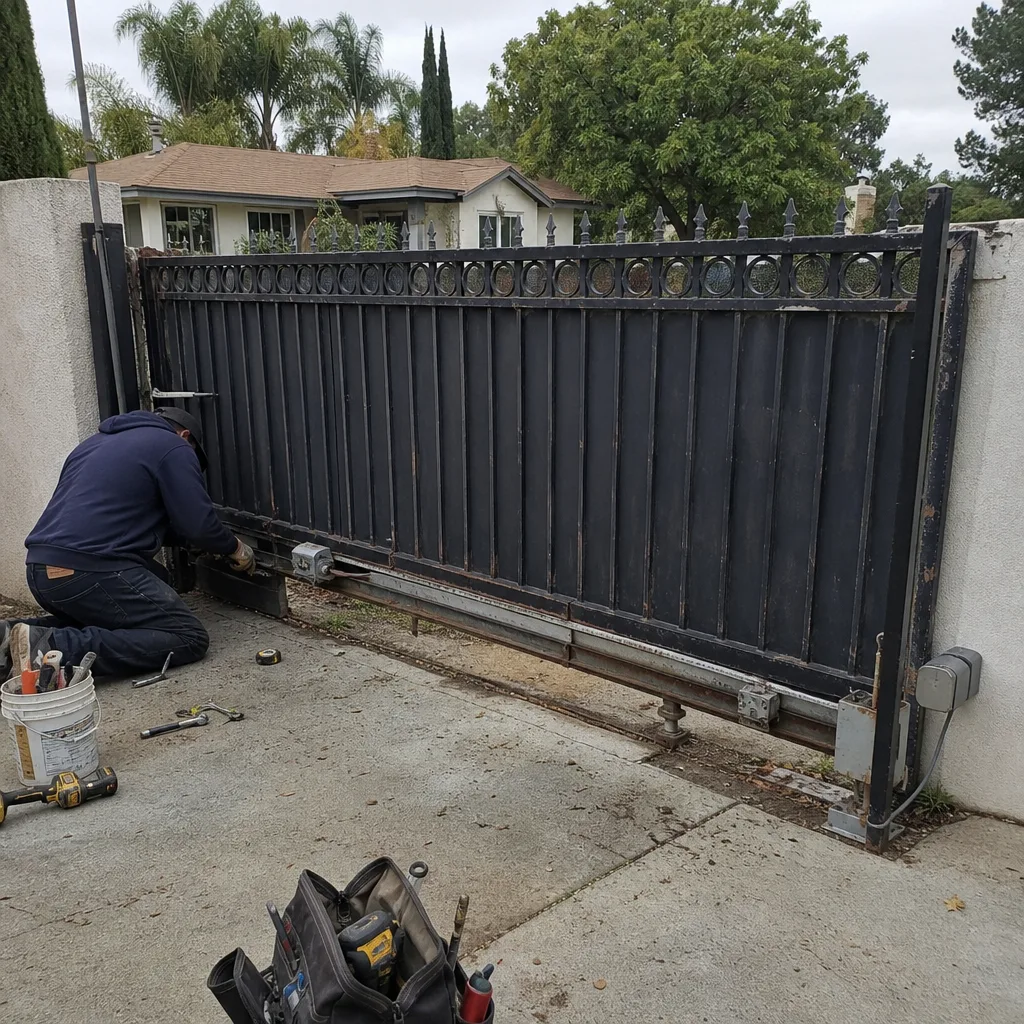 Before
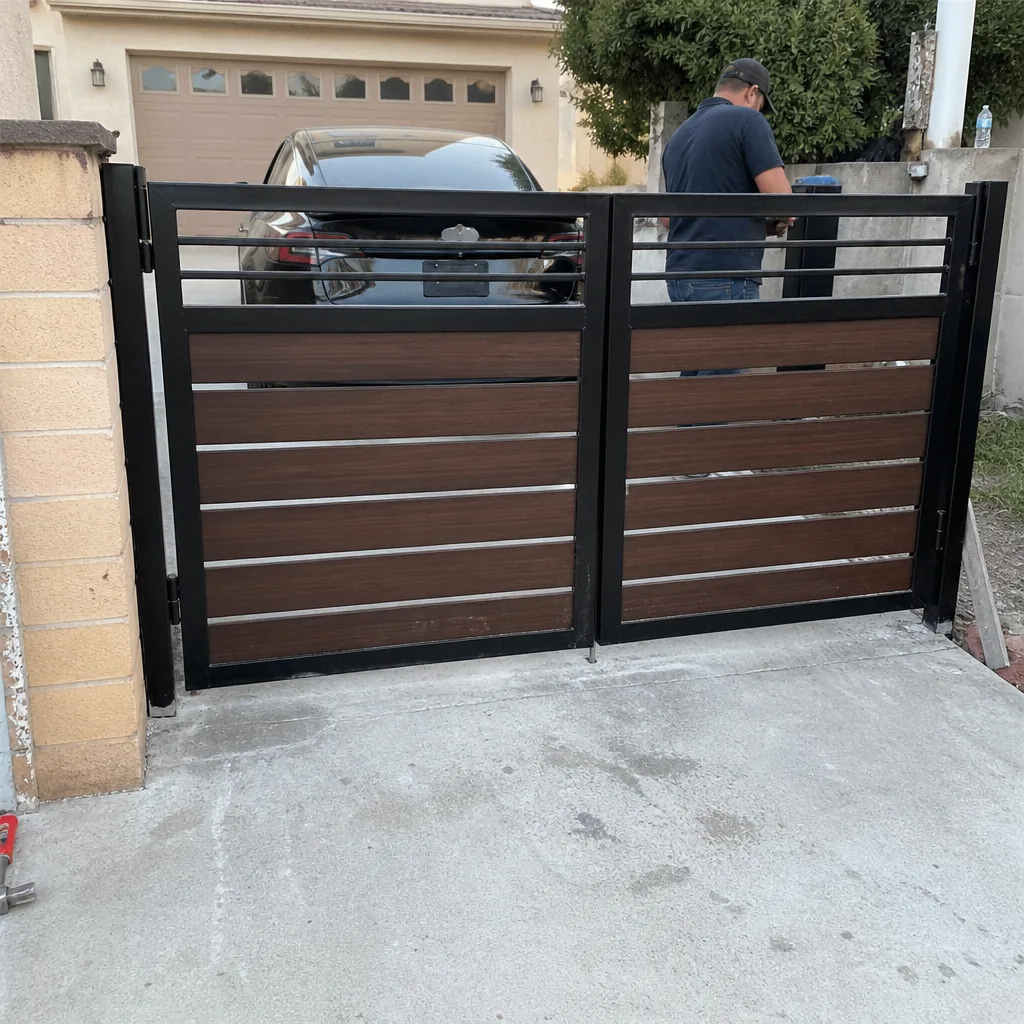 After
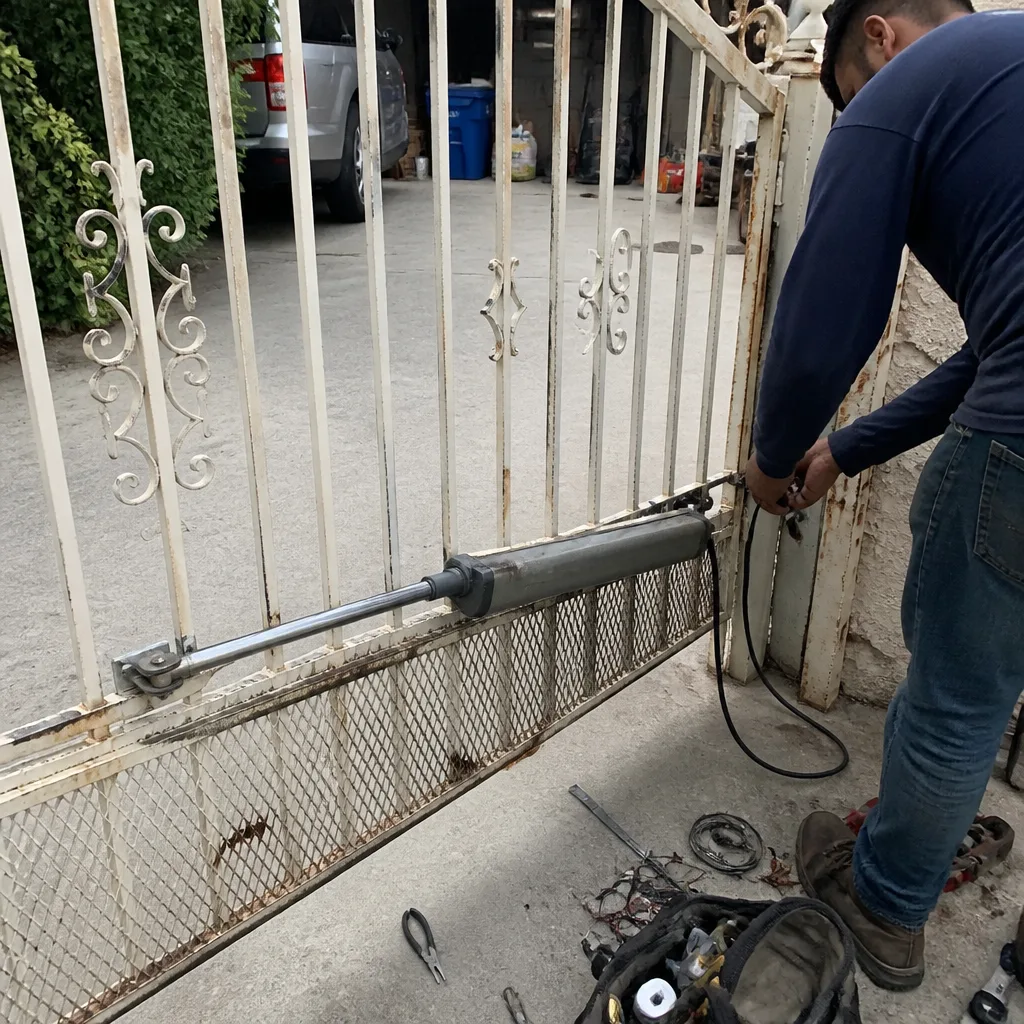 Before
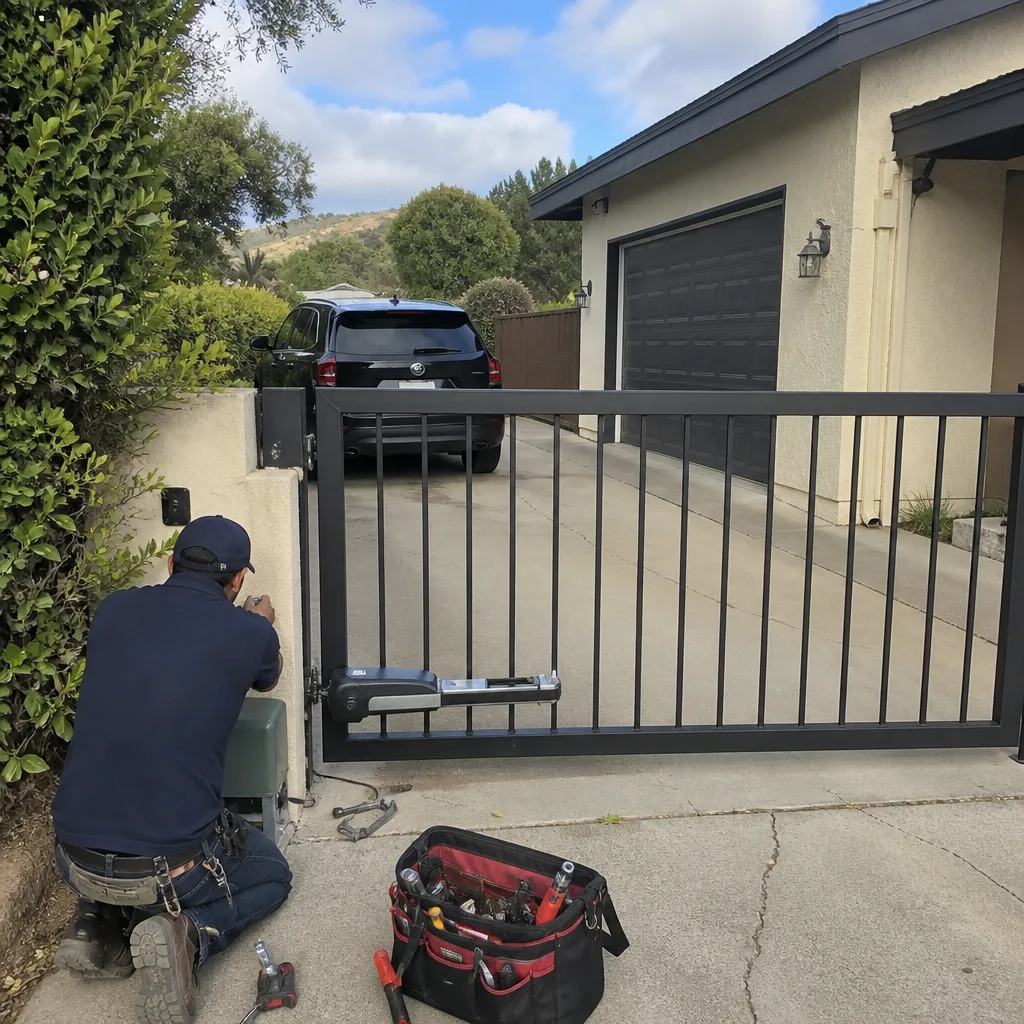 After
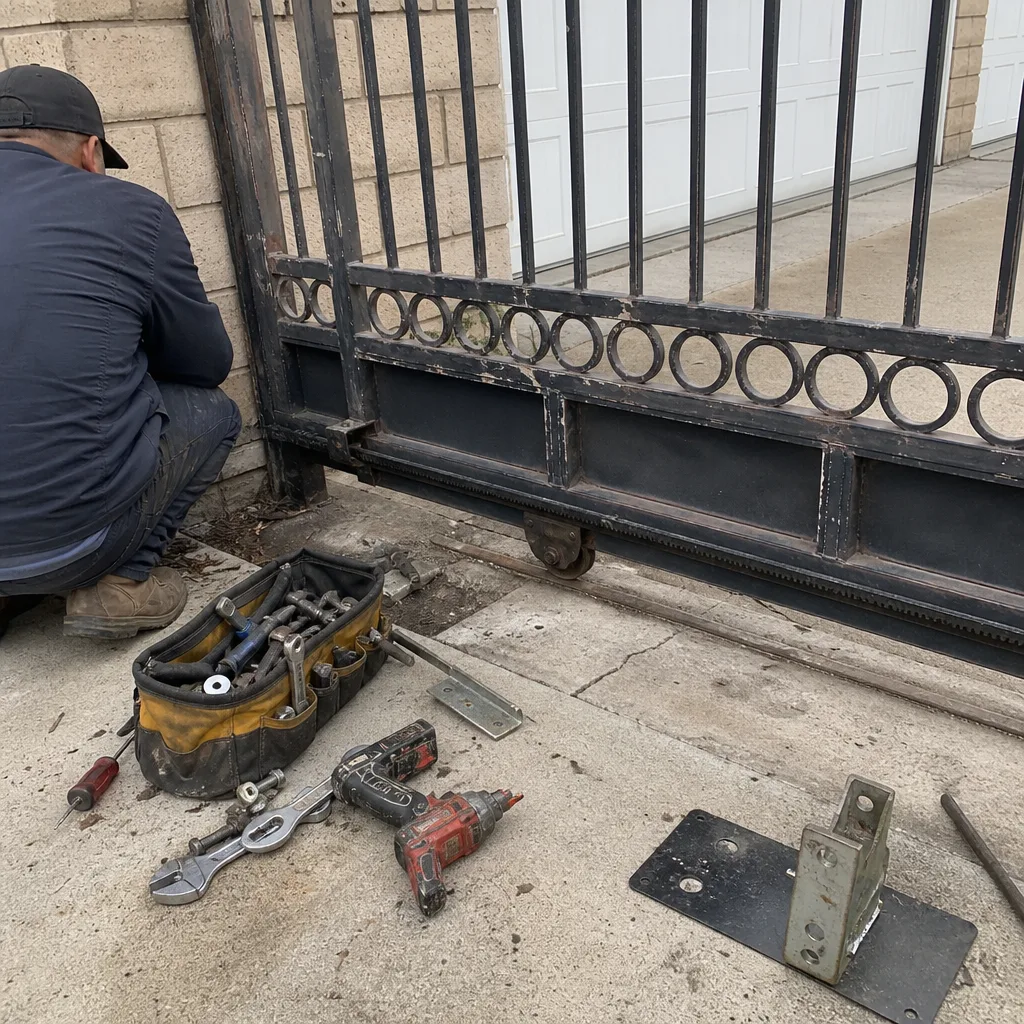 Before
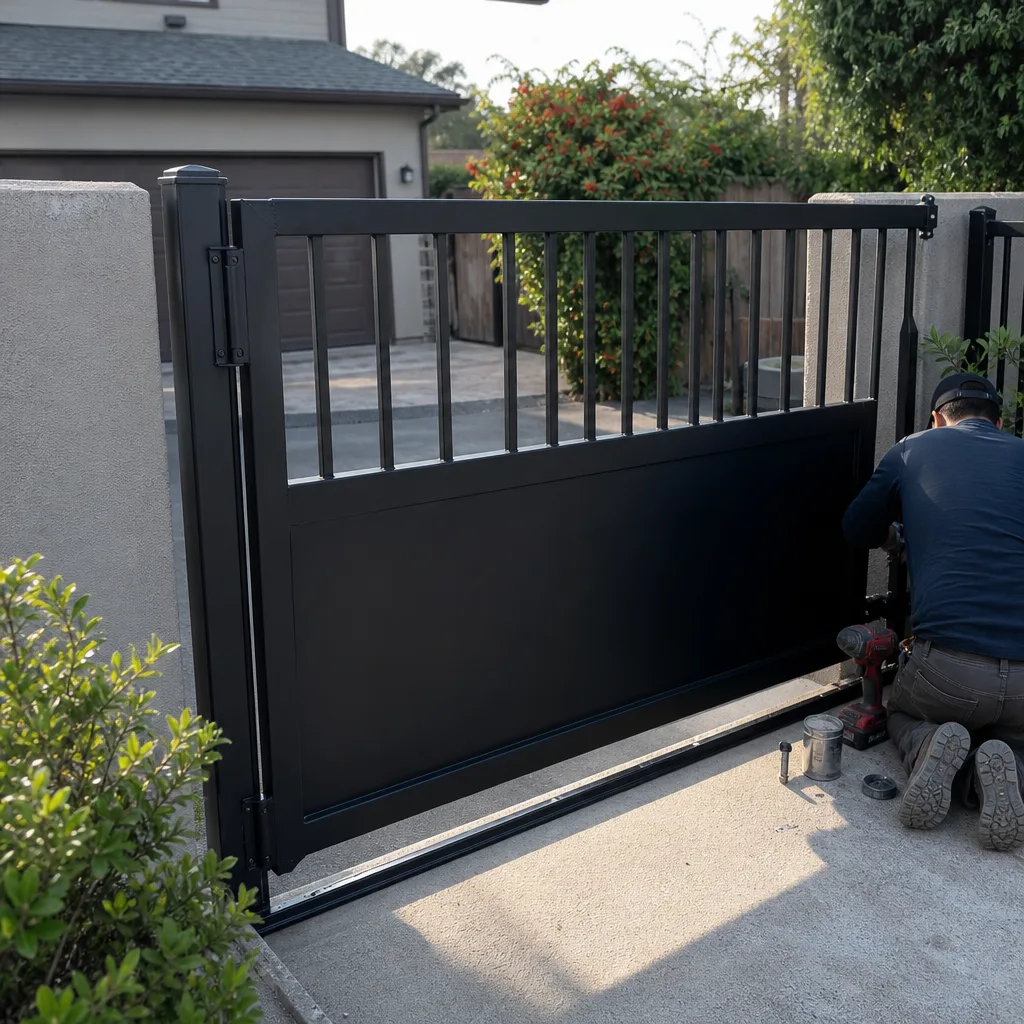 After
When to Call a Professional
Some gate problems are straightforward to diagnose from this guide. A tripped GFCI, a dead remote battery, a dirty photo eye lens, those are homeowner territory. But the moment the repair involves opening a control panel, disconnecting an operator, or bypassing a safety device, call a specialist.
Specific scenarios that warrant a professional: the gate reverses randomly with no obstruction present, the operator trips its breaker more than once, the gate makes a rapid clicking noise from a hydraulic unit, the intercom works intermittently, or you’ve replaced the obvious parts and the symptom persists. These are diagnostic puzzles, not parts swaps.
Kensington Gate Repair works on virtually every major gate brand including LiftMaster, FAAC, BFT, and Linear, both residential and commercial systems across Montclair. We’re electric gate specialists, which means the control board, the motor, the sensors, and the access control system are all within our daily work, not an occasional job. If you’re in Montclair and your gate is misbehaving, call (833) 320-4513 for a free estimate. One call covers diagnosis, repair, and if it comes to it, full gate installation in Montclair.
Frequently Asked Questions
An electric gate that opens but won’t close almost always has an interrupted or misaligned photo eye sensor, a false signal from the safety edge, or a failed loop detector that keeps sending a “vehicle present” signal. Clean the photo eye lenses and check their alignment first, since that’s the most common cause on Montclair gates.
Most residential gate openers reset automatically when power returns, but some models need a manual reset via the keypad or a button inside the operator housing. If your LiftMaster or Linear unit is unresponsive after a Montclair power outage, check the GFCI outlet and the breaker first, then consult your owner’s manual for the specific reset sequence.
A click with no movement usually means the operator’s relay or contactor is engaging but the motor isn’t starting. The likely causes are a failed start capacitor, low battery voltage, or a seized motor. On hydraulic units, rapid clicking means low hydraulic fluid, and you should cut power immediately.
You can safely handle remote battery replacement, photo eye cleaning, GFCI reset, and basic multimeter voltage checks. Anything involving the control board, capacitor, motor, safety edge wiring, or access control panel should go to a gate specialist. The wrong move inside an operator can void your warranty and create a safety hazard; see more guides & resources for safe troubleshooting steps.
Gate repair costs in Montclair typically range from $150 for a simple relay or sensor replacement to $800 or more for a control board or motor replacement on a commercial operator. The exact quote depends on the brand, the failed component, and accessibility. Call (833) 320-4513 for a free estimate, the price is always quoted and agreed before any work starts.
If the keypad opens the gate but the remote doesn’t, the receiver board inside the operator is likely failing, or the remote itself has lost its programming. Try a fresh remote battery first. If that doesn’t work, the receiver module on your LiftMaster, FAAC, BFT, or Linear operator likely needs replacement or reprogramming by a technician.
The Bottom Line
Gate troubleshooting is a process of elimination, and the elimination order matters. Power, then remote, then sensors, then mechanical, then board. Most gate failures in Montclair trace to dead batteries, dirty photo eyes, tripped breakers, or a seized roller bearing, and those are all diagnosable with the steps above. The deeper faults, a failing capacitor, a shorted safety edge, a dead loop detector, benefit enormously from specialist eyes, because a misdiagnosis doesn’t cost you the wrong part, it costs you the right part plus the wrong part plus another service call. Find the cause first. Fix once. That’s the whole philosophy behind our Kensington Gate Repair home service approach, and it’s why gate repair in Montclair with us starts with diagnostics, not parts swapping.
Written by the team at Kensington Gate Repair, serving Montclair since 2011.