
Last updated October 31, 2026
 Wrought iron
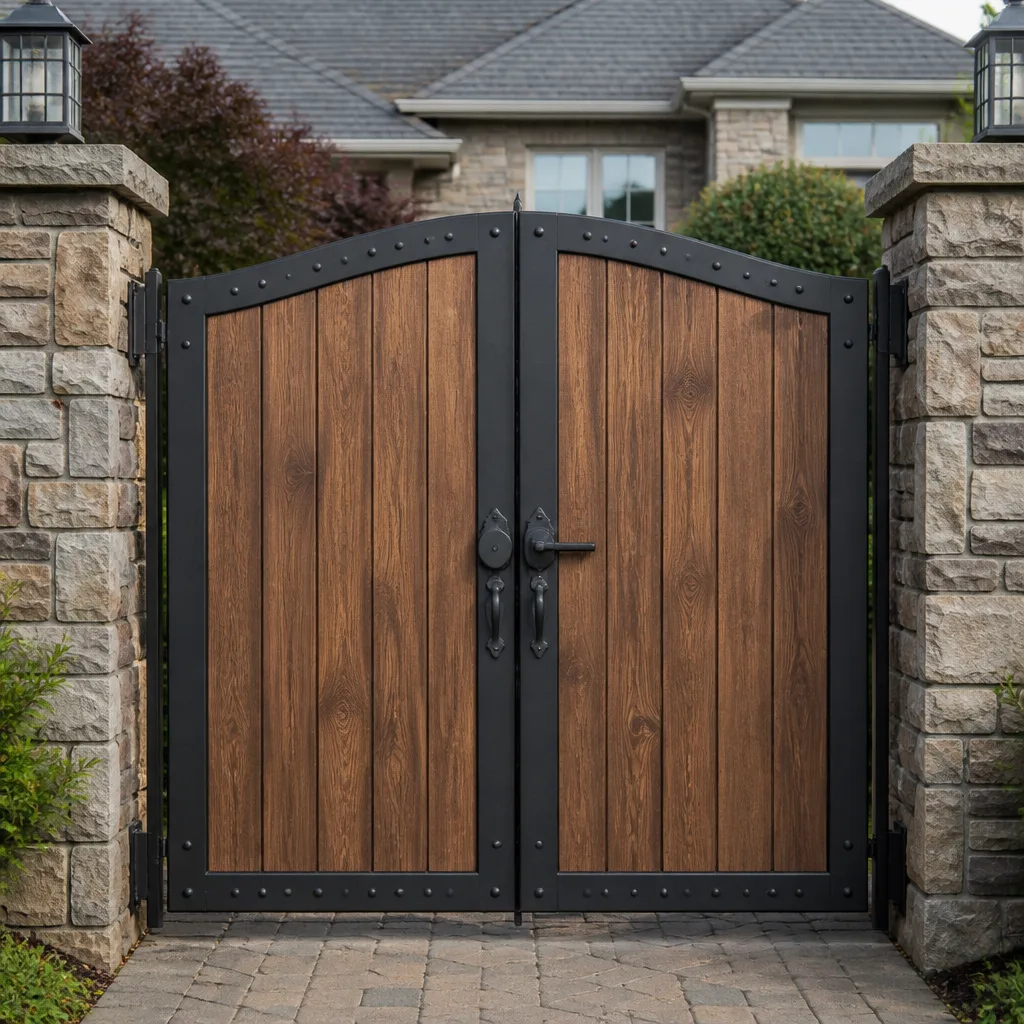 Wood & steel frame
 Farm & ranch
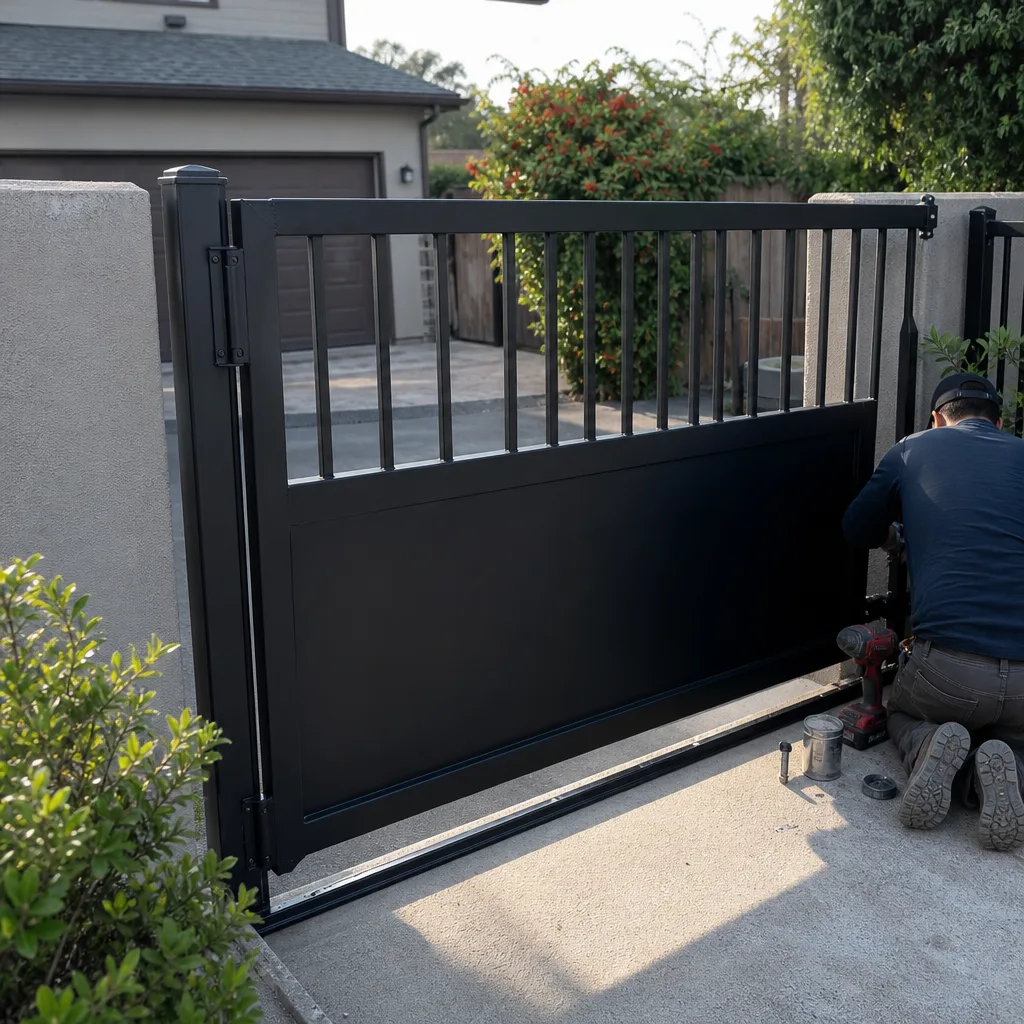
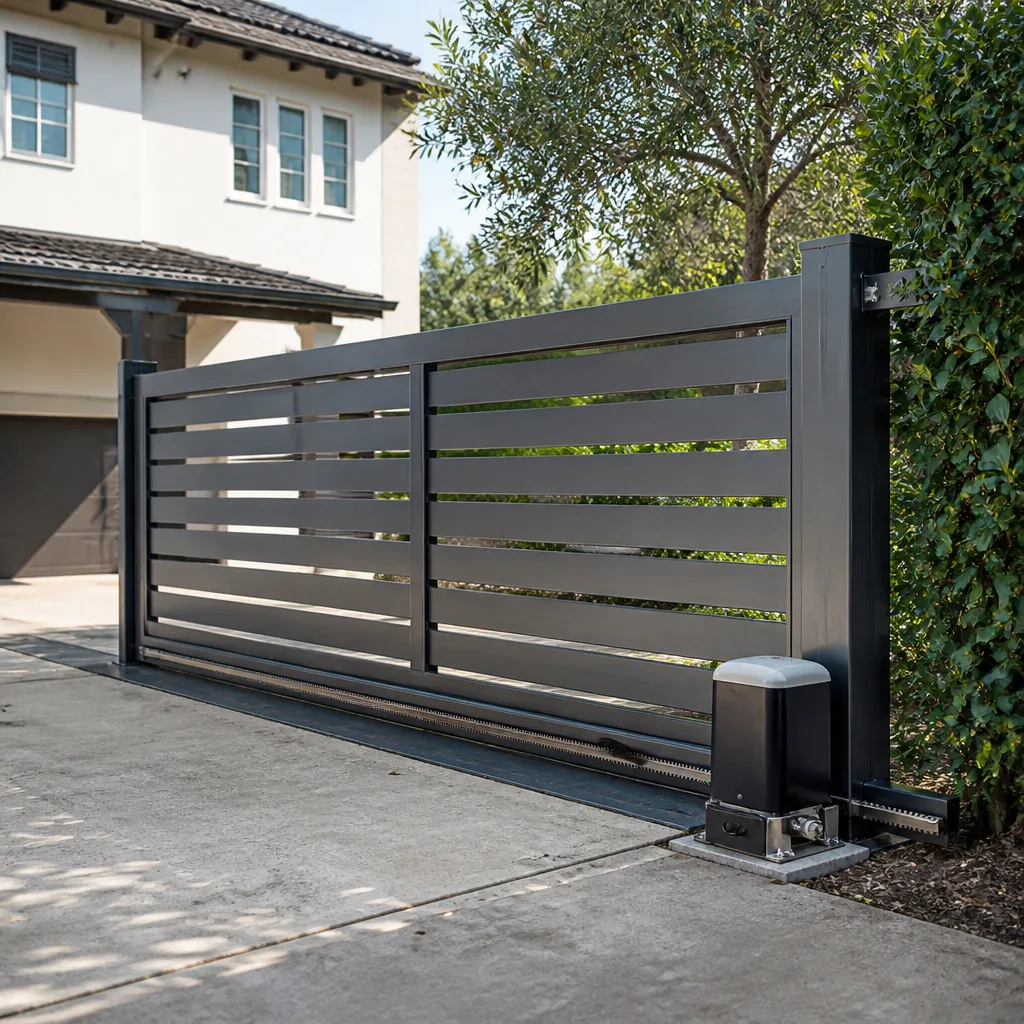 Sliding driveway gates
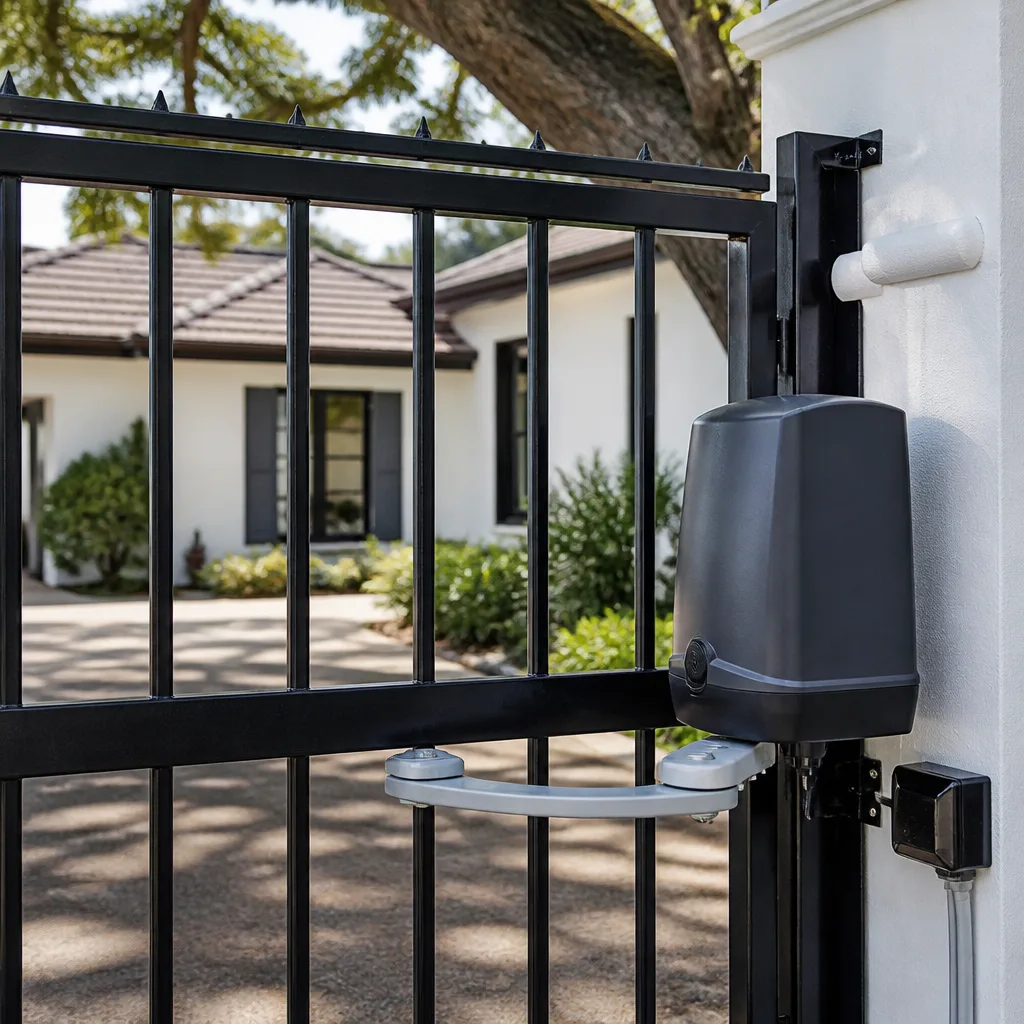 LiftMaster operators
Free on-site gate assessment - hinges, posts, and your LiftMaster or Nice gate operator checked before anything is quoted
The assessment is free and the quote is the invoice.
Get your free estimateGate Repair Emergency Preparedness Guide for Montclair Homes
Most Montclair homeowners only think about their gate when it stops working. That’s the wrong time to start learning how your system behaves in an emergency. During the 2020 Inland Empire power outages, automated gate owners across the region discovered their manual release mechanism either didn’t work or they couldn’t find it in the dark. For Montclair residents, where Santa Ana winds can knock out power for hours and wildfire evacuation orders demand immediate vehicle access, a gate that traps you in your driveway is a real safety problem with a real solution. This guide covers what to do before an emergency, during one, and how to recover after.
Styles & brands we work with
Quick Answer
A gate that fails during a power outage or mechanical breakdown becomes a security and safety problem the moment it locks you in or leaves your property exposed. Most Montclair homeowners need three things ready before an emergency: a working manual release mechanism they know how to operate, a plan for temporary security if the gate stays open, and a clear set of diagnostic details to give a gate technician. This guide walks through all three, step by step.
Table of Contents
- How to Test and Use Your Gate’s Manual Release
- Battery Backup Systems: What’s Worth Installing in Montclair
- When Your Gate Fails in the Closed Position
- When Your Gate Fails in the Open Position
- Emergency Temporary Security for an Inoperable Gate
- What to Have Ready Before Calling for Emergency Service
- Common Mistakes to Avoid
- When to Call a Professional
- Frequently Asked Questions
- The Bottom Line
How to Test and Use Your Gate’s Manual Release
Every automated gate operator has a manual release mechanism. It exists for one reason: to let you open or close the gate by hand when the motor has no power or has failed. Most Montclair homes with automated gates run operators from brands like Linear, Viking, Ghost Controls, or DoorKing, and each one has a slightly different release design. But the principle is the same across all of them.
The manual release is typically a small lever, pull handle, or keyed mechanism located on the operator arm or the motor housing itself. It disengages the gate from the motor’s drive system so the gate can swing or slide freely. On slide gates, the release is usually on the operator unit mounted to the concrete pad. On swing gates, it’s built into the arm that connects the motor to the gate leaf.
Here’s the part most homeowners miss: testing your manual release once a year is the actual standard, not optional advice. We’ve seen release mechanisms in Montclair that haven’t been touched since the day the gate was installed. The result is a release that’s rusted, seized, or so stiff that a homeowner can’t operate it in a real emergency.
- Locate your release mechanism. Check your operator manual or look for a small lever or key cylinder on the motor unit or arm. If you don’t have the manual, note the brand name on the operator and look up the model number.
- Test it during daylight hours, not during an emergency. Disengage the mechanism. The gate should move freely by hand with moderate effort. If it doesn’t, the gate itself may be binding, the rollers may be worn, or the release is faulty.
- Practice the full sequence once. Disengage, open the gate manually, close it manually, then re-engage the release. The re-engagement step matters. Some releases require you to move the gate slightly to get the gears to line up again.
- Mark the release location clearly. A small label or piece of reflective tape near the release makes it findable in the dark during a power outage.
If the release doesn’t work or the gate won’t move manually, there’s likely a mechanical problem with the gate itself, not just the operator. That’s the time to call a gate repair specialist in Montclair before an emergency makes a manageable problem urgent.
Battery Backup Systems: What’s Worth Installing in Montclair
Montclair sits in a region where power outages happen for three main reasons: Santa Ana wind events that down lines, rolling blackouts during peak summer demand, and routine utility maintenance. For an automated gate, a power outage means one of two things: the gate stays in whatever position it was in when power died, or the battery backup kicks in and keeps the system functional.
Battery backup systems for gate operators are not all equal. Some are integrated into the operator itself, like many Linear and Viking models, and others are external units wired into the system. What matters is what the battery actually powers.
What a good battery backup does: It keeps the gate operational through a power outage, including remote controls, keypad entry, and loop detectors. That means your family gets in and out without touching the manual release. It also means emergency vehicles can access your property if needed.
What a basic or failing battery backup does: It powers the control board long enough to remember your access codes, but it won’t have enough charge to move the gate. Some homeowners discover this distinction during a real outage. The battery may be old, undercharged, or undersized for a heavy gate.
Given Montclair’s outage frequency, a functioning battery backup is worth installing if you have an automated gate on a slide or swing system from DoorKing, Ghost Controls, or any major brand. The question isn’t whether outages will happen. The question is whether you want your gate to work when they do.
Battery replacements typically fall in the $80 to $250 range depending on the operator model and whether the battery is integrated or external, plus labor if you’re not comfortable replacing it yourself. That’s a small number compared to the frustration of being locked out during a heat wave or fire season. If you’re unsure what your current system has, a specialist can check the battery condition in one visit. Our electric gate repair service in Montclair includes battery testing as part of a system health check.
When Your Gate Fails in the Closed Position
A gate stuck in the closed position traps your vehicles inside and blocks all access to the property from outside. In Montclair, where many homes sit on sloped driveways or have limited street parking, this isn’t just inconvenient. It can prevent you from getting to work, getting kids to school, or leaving during an emergency.
Here’s what to do, in order:
- Check for a power issue first. Is the operator getting power? Check your circuit breaker. Gate operators are often on their own dedicated circuit, and a tripped breaker is a one minute fix.
- Try the manual release. If there’s no power or the breaker trips again immediately, use the manual release to disengage the motor and move the gate by hand.
- If the gate won’t move manually, stop pushing. A gate that won’t budge even after disengaging the operator likely has a mechanical failure: a broken roller, a bent track, a seized hinge, or a structural problem. Forcing it can cause more damage and make the eventual repair more expensive.
- Call for service with the gate in the closed position. A closed gate at least provides security while you wait for help. Tell the technician the gate is stuck closed, whether the operator makes any noise when activated, and whether the manual release worked.
In our experience, gates stuck closed in Montclair are usually one of three things: a dead capacitor in the operator, a failed control board, or a mechanical failure in the gate’s track or hinges. The first two are straightforward electrical repairs. The third can be more involved depending on the gate’s age and condition.
When Your Gate Fails in the Open Position
A gate stuck open is a different problem entirely. Your vehicles can move freely, but so can anyone else’s. An open gate on a Montclair property means full public access to your driveway, your vehicles, and potentially your home or business.
The immediate concern is security. The gate itself stops providing any barrier function. If you can’t get it closed, treat the situation as an exposure issue until a repair is completed.
Here’s the priority order:
- Attempt to close the gate manually. Use the manual release and push the gate closed. If it closes manually, secure it in the closed position. You may be able to leave the operator disengaged and treat the gate as a manual gate until repairs happen.
- If the gate won’t close manually, secure the opening another way. Chain and padlock the gate in the closed position if possible. If the gate is frozen partially open, block the opening with your vehicle if that’s practical and safe.
- Pull the power to the operator. If the operator is attempting to run but failing, cut power at the breaker to prevent motor burnout while you wait for service.
- Call for service immediately. An open gate on a residential property in Montclair is a security risk that should not wait days. Mention that the gate is stuck open when you call, so the technician understands the urgency.
Common causes of a gate stuck open in our experience: a broken chain on a slide gate, a failed photo eye or safety edge that the control board interprets as an obstruction, or a control board failure that locks the operator in the open cycle. Ghost Controls and Viking operators have diagnostic LED patterns that can help identify the fault before the technician even arrives.
Emergency Temporary Security for an Inoperable Gate
When a gate repair is delayed, whether that’s a wait for a part or a scheduling constraint, you need a temporary security plan that doesn’t rely on the gate working. These aren’t permanent solutions, but they buy you time.
- Chain and padlock the gate. For a slide or swing gate that can be moved into the closed position manually, a heavy duty chain and weatherproof padlock is the simplest temporary measure. Wrap the chain around the gate frame and a fixed post or the gate’s receiver post.
- Disable the operator. Cut power at the breaker so the operator doesn’t attempt to run, burn out, or reset itself unexpectedly while the gate is secured manually.
- Block the driveway with a vehicle. On properties where the driveway is the only vehicle access point, parking a car perpendicular to the driveway behind the closed gate adds a physical barrier. This is especially relevant for Montclair homes with alley access or rear gates.
- Notify anyone who normally enters the property. Family members, delivery drivers, house cleaners, pool service. If your gate is normally automated and now operates manually or not at all, people need to know before they show up and can’t get in or out.
- Add temporary lighting. If your gate area is dark and the gate is not functioning, a temporary motion sensor light aimed at the driveway entry can deter opportunistic activity while repairs are pending.
These measures are not replacements for a functioning gate. They’re bridges between the failure and the fix. The goal is to keep the property from looking unguarded.
What to Have Ready Before Calling for Emergency Service
A diagnostic call with a gate technician takes minutes when you have the right information ready. It takes half an hour when you don’t. In an emergency, time matters, and the right information also helps the technician bring the right parts on the first trip.
When you call for emergency gate service in Montclair, have these details in front of you:
- The gate’s current status. Stuck open, stuck closed, partially open? Does it move at all? Does it move slowly or stop partway?
- What the operator does when activated. No response at all? Humming sound? Clicking? Gate starts to move then reverses? Each of these patterns points to a different failure mode.
- The operator brand and model number. Look for a label on the motor housing, the control box, or the manual if you still have it. Brands like Linear, DoorKing, and Viking print the model number on the unit itself. Ghost Controls does the same.
- Recent events that preceded the failure. A power outage, a storm, a vehicle impact, construction nearby, any work done on the gate or the electrical panel recently.
- Whether the manual release works. Try it once before you call so you can report the result. A working manual release tells the technician the mechanical drive train is likely fine and the problem is electrical.
- Your property’s layout. Slide gate or swing gate? Single or double leaf? Approximate gate weight or length if you know it. This helps the technician plan the right equipment.
If you don’t know the brand or model, describe what the operator looks like and where it’s mounted. A picture texted to the technician can save twenty minutes of guesswork. Our Kensington Gate Repair home page has guidance on working with gate specialists across all major brands.
Common Mistakes to Avoid
- Waiting until the gate fails to locate the manual release. In Montclair’s outage-prone months, this is the single most common avoidable problem we run into. Finding the release in the dark, during an emergency, is not the time to learn.
- Forcing a gate that won’t move manually. If you’ve disengaged the operator and the gate still won’t budge, something mechanical is binding. Forcing it risks bending the track, snapping a roller bracket, or causing injury.
- Ignoring a gate that’s been running slow or noisy for months. Slow operation and grinding noises are early warning signs. Addressing them before a full failure means the difference between a small repair and an emergency that leaves your property exposed.
- Assuming a battery backup means unlimited operation. Battery backups have limits. Most will run a gate through several cycles, not indefinitely. Knowing the limits of your specific system matters during extended outages.
- Cutting power to the operator without knowing what else is on that circuit. Gate operators sometimes share a circuit with other equipment. Check your panel labels before shutting anything off.
- Leaving a gate stuck open overnight without any temporary measure. An open gate is an open invitation, especially on long Montclair driveways that are not visible from the street. Even a simple chain and padlock changes the risk profile significantly.
- Failing to tell the technician what happened before the failure. The sequence of events matters. A gate that failed right after a power outage is a different diagnostic problem than one that failed gradually over weeks. The more accurate your description, the faster the fix.
When to Call a Professional
Some gate problems are safe to troubleshoot yourself: checking a breaker, testing the manual release, confirming whether the operator has power. But there are clear situations where a professional is the right call. If the gate doesn’t move manually after disengaging the operator, if the operator makes a humming or grinding sound when activated, if the gate reversed unexpectedly and now won’t respond, or if you see visible damage to the track, hinges, or gate structure, you need a gate specialist. Electrical work on gate operators involves high voltage connections, control boards, and safety systems that should not be improvised. Kensington Gate Repair offers free estimates in Montclair. Call (833) 320-4513 and describe what you’re seeing. We work on virtually every major gate brand, including Linear, Viking, Ghost Controls, and DoorKing, so the diagnostic conversation is usually short and specific.
Frequently Asked Questions
Emergency gate repair in Montclair typically costs between $150 and $400 for the service call and diagnosis, plus parts and labor for the actual repair. Simple fixes like a capacitor replacement or limit switch adjustment fall on the lower end. Control board replacements run higher, often $450 to $900 installed depending on the operator brand. Expect to have the complete price quoted and agreed before any work starts. Call (833) 320-4513 for an exact quote. Estimates are free.
Emergency service appointments depend on the day’s schedule and the nature of the problem. A gate stuck open, a property with no functioning access, or a commercial location with a security gap typically receive priority. When you call (833) 320-4513, describe whether the gate is stuck open or closed and we’ll give you a straight answer about the soonest available service window.
A full gate installation in Montclair includes removing the old gate and operator if present, setting or repairing the posts, hanging and aligning the new gate, installing the operator, running the power connection, wiring the safety edges and photo eyes, and programming remotes and keypads. We handle both swing and slide gate installations across residential and commercial properties. For more detail, see our gate installation service in Montclair.
Yes. The power run from your panel to the gate operator and the installation of safety edges, photo eyes, and loop detectors are all part of the service. These components are not optional add-ons. They’re required for the gate to operate safely and to meet code requirements in Montclair.
We work on virtually every major gate brand, with hands-on experience across LiftMaster, FAAC, BFT, Linear, Viking, Ghost Controls, DoorKing, Elite, and Mighty Mule. Recommendations are made for your specific system, not a preferred brand. If your operator has a model number on the unit, have it ready when you call (833) 320-4513.
Test the manual release at least once a year, and ideally twice if you live in a Montclair neighborhood that experiences frequent power outages or high wind events. The test takes five minutes and confirms that the release engages and disengages properly, and that the gate moves freely by hand. If it doesn’t, that’s a problem to address before an emergency makes it urgent.
The Bottom Line
A gate that fails in an emergency is a problem that most Montclair homeowners are not prepared for, but the preparation is straightforward. Know where your manual release is and test it once a year. Understand whether your operator has a battery backup and what it actually powers. Have a plan for temporary security if the gate stays open. And know what information to give a technician when you call, so the repair happens on the first visit rather than the second. Gates fail. That’s a mechanical reality. Being unprepared for that failure is a choice. A little advance preparation turns a potential crisis into a manageable inconvenience, and it keeps your property secure while the repair is arranged.
Written by the team at Kensington Gate Repair, serving Montclair since 2011.
See the difference
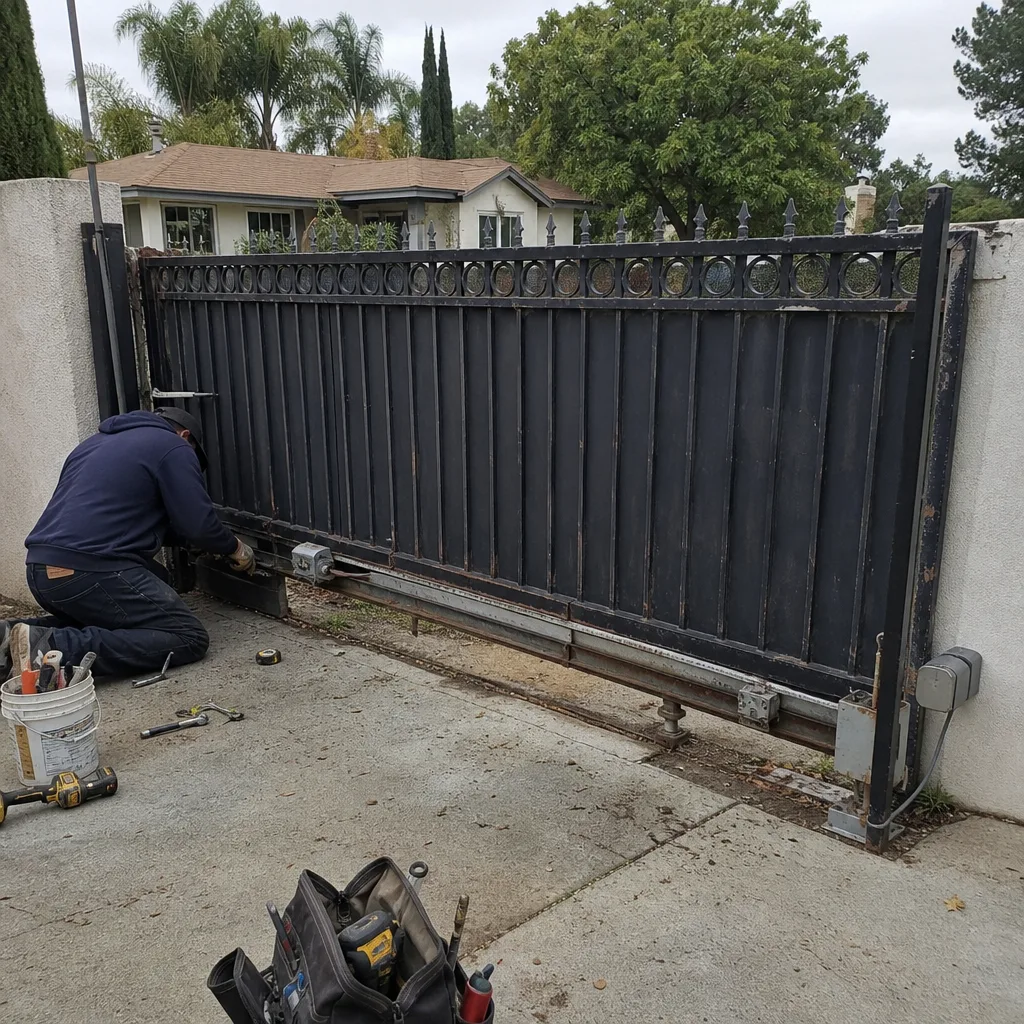 Before
 After
 Before
 After
 Before
 After